
Alla auktioner / Förhistorisk Konst / Ancient India – tradition of the Ganges Valley; Northern...

Ancient India – tradition of the Ganges Valley; Northern...
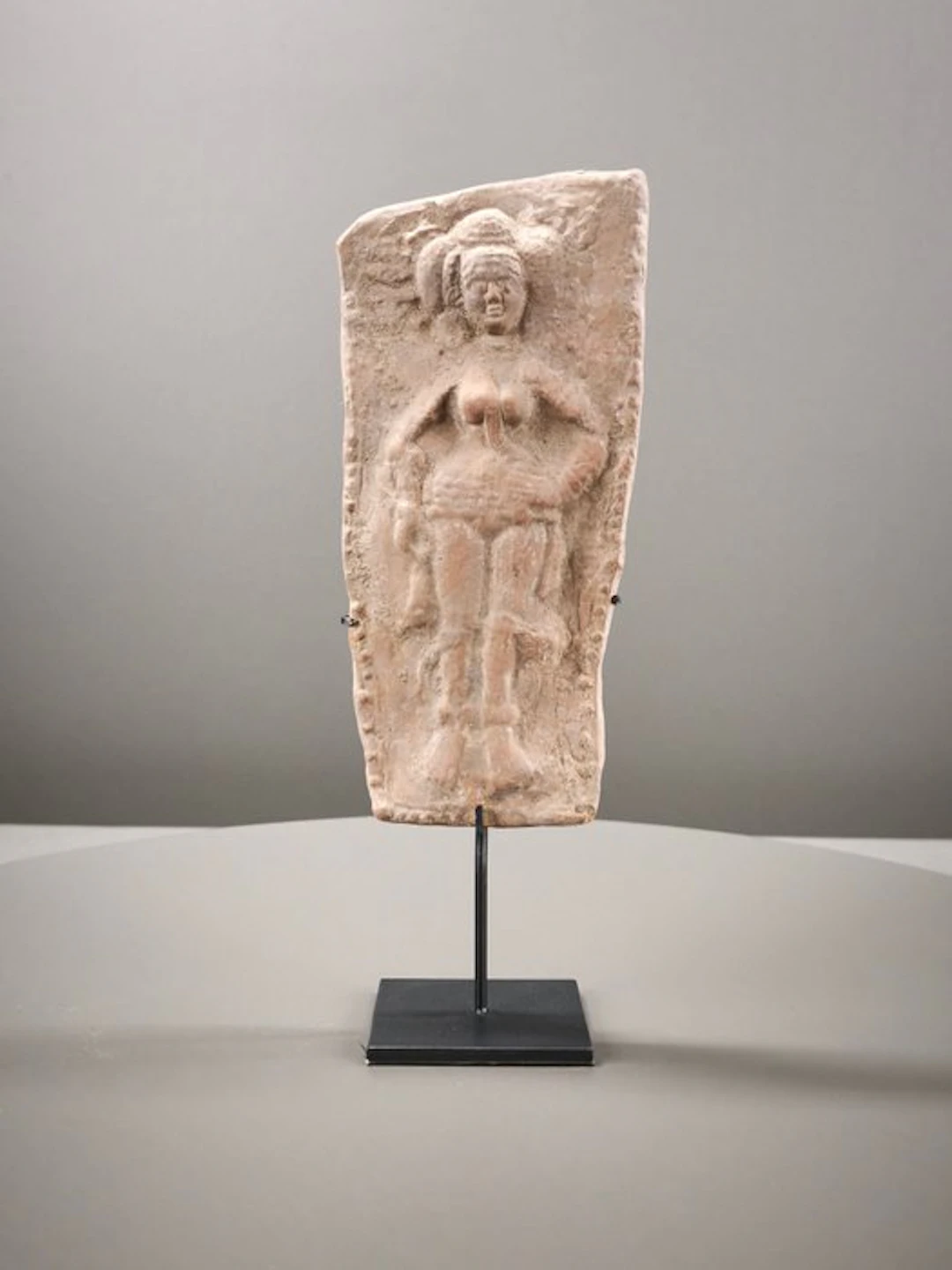
Terracotta moulded plaque representing a female figure, probably a Yakṣī, ancient India, Ganges Valley tradition, late Shunga period, end of the 2nd – 1st century BCE. Vertical terracotta plaque depicting a standing, frontal woman, whose silhouette occupies most of the field. The chest is clearly modeled, the waist tightened, and the hips emphasized by a broad adornment or belt, now partly worn smooth by use. The figure features voluminous coiffure composed of several masses arranged around the head. Despite significant abrasion of the relief, the face, chest, arms, abdominal ornament, and the long legs remain legible. The morphology of the character, its frontal stance, the richness of the coiffure and adornment allow cautious proximity to the vast iconographic universe of Yakṣī and auspicious feminine figures of ancient India, traditionally associated with fertility, prosperity, and abundance. A more precise identification as Panchachuda is not retained, as no set of five ornaments or weapons distinctly recognizable is preserved on this plaque. technically, the piece is made by uniface moulding. The main face bears the figurative relief, while the reverse side is undecorated, flattened and manually reskimed. The profile views confirm that it is indeed a solid, relatively thin plaque, and not a hollow sculpture or assembled piece. The style and technique fall within the important traditions of terracotta productions in the Ganges valley at the end of the Mauryan period and during the Shunga period. Comparisons exist notably with productions from Mathura, Kaushambi, Chandraketugarh and Tamluk, but no specific site is claimed as archaeologically proven origin. The terracotta presents a pink to orange-red tone under beige to whitish deposits and alterations. The most protruding parts are more abraded, while the voids retain more material and deposits. State: good structural condition. Strong old abrasion of the relief, notably on the face, coiffure, ornaments and garment. Small losses and peripheral wear. No significant restoration, no major reattachment, nor any obvious modern reconstruction visible in the examined documentation. Presented on a modern metal base. Provenance: old Belgian private collection, acquired between 1979 and 2009, then transmitted through descendants in 2023. Dimensions without base: 20.5 × 10 × 2.6 cm. Weight: 513.5 g. Height with base: 27.2 cm. No thermoluminescence analysis has been conducted. The attribution and dating proposed rely on stylistic, technical, material, and comparative study of the plaque. video link: https://www.dropbox.com/scl/fo/w1tpigxwsimubqxbgns42/AIoYC-FzEqe1yqTAv5jkuXA?rlkey=tiendpur2szxw3h8r8vgxtlwn&dl=0
Utropspris:SEK 22,406.44
Till auktionenVisa alla föremål frånCatawikiellerFörhistorisk Konst
Utropspris:
SEK 22,406.44
Liknande föremål
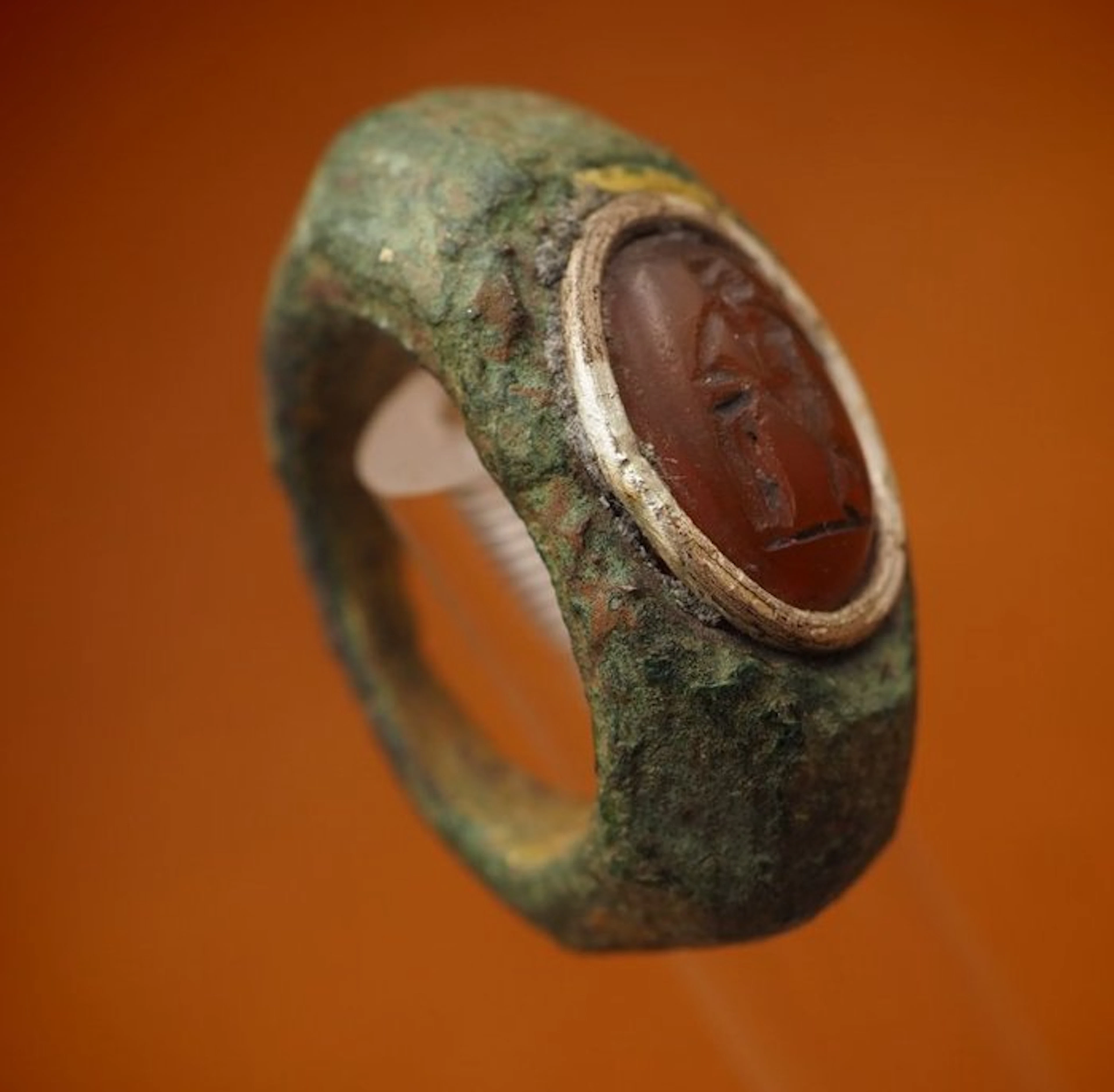
Slutpriser för liknande föremål
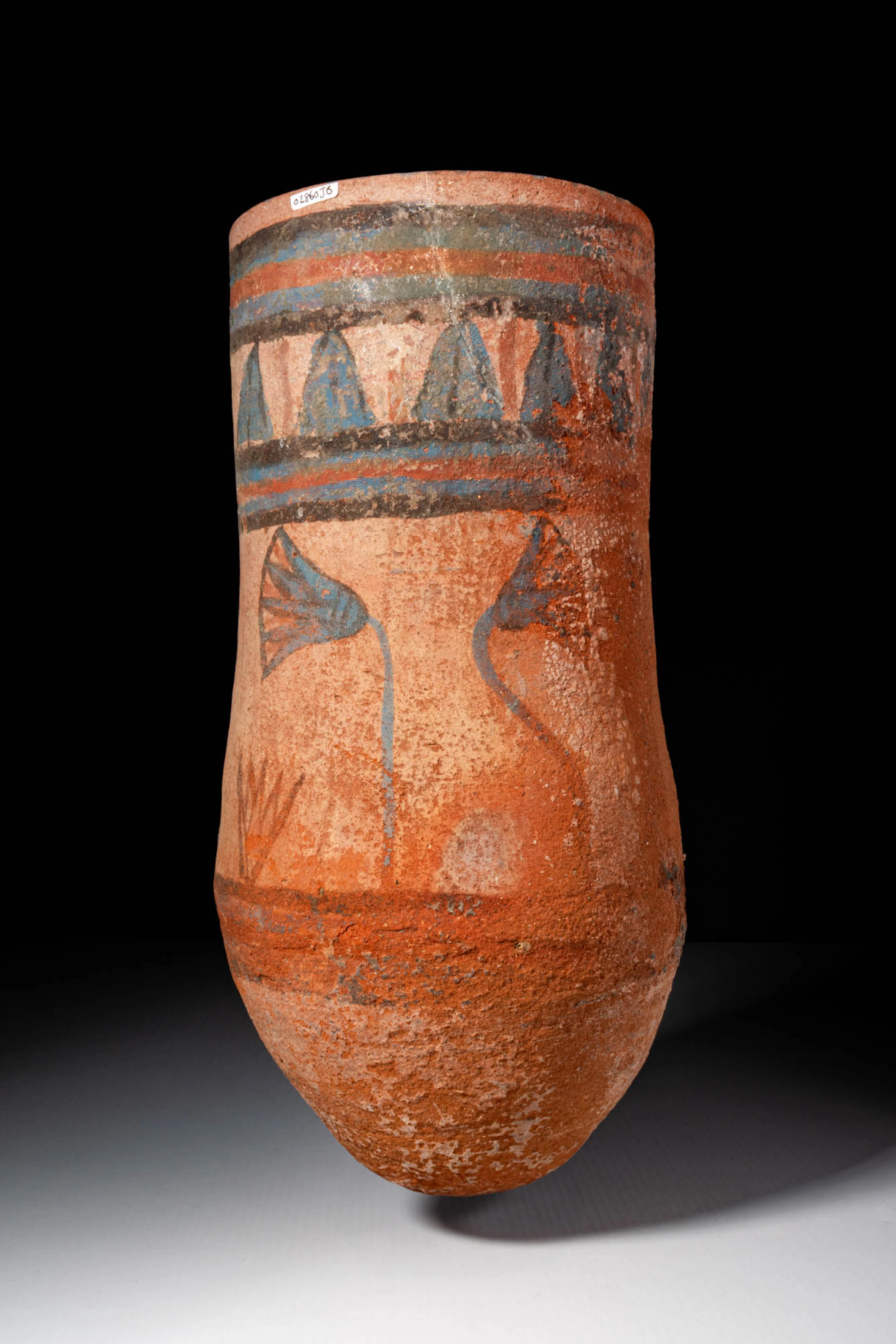
EGYPTIAN POLYCHROME TERRACOTTA VASE WITH LOTUS BLOOMS, WAS-SCEPTRE AND ANKH
06/21/2026

SEK 33,148.79
Uppsk.: SEK 37,454.41
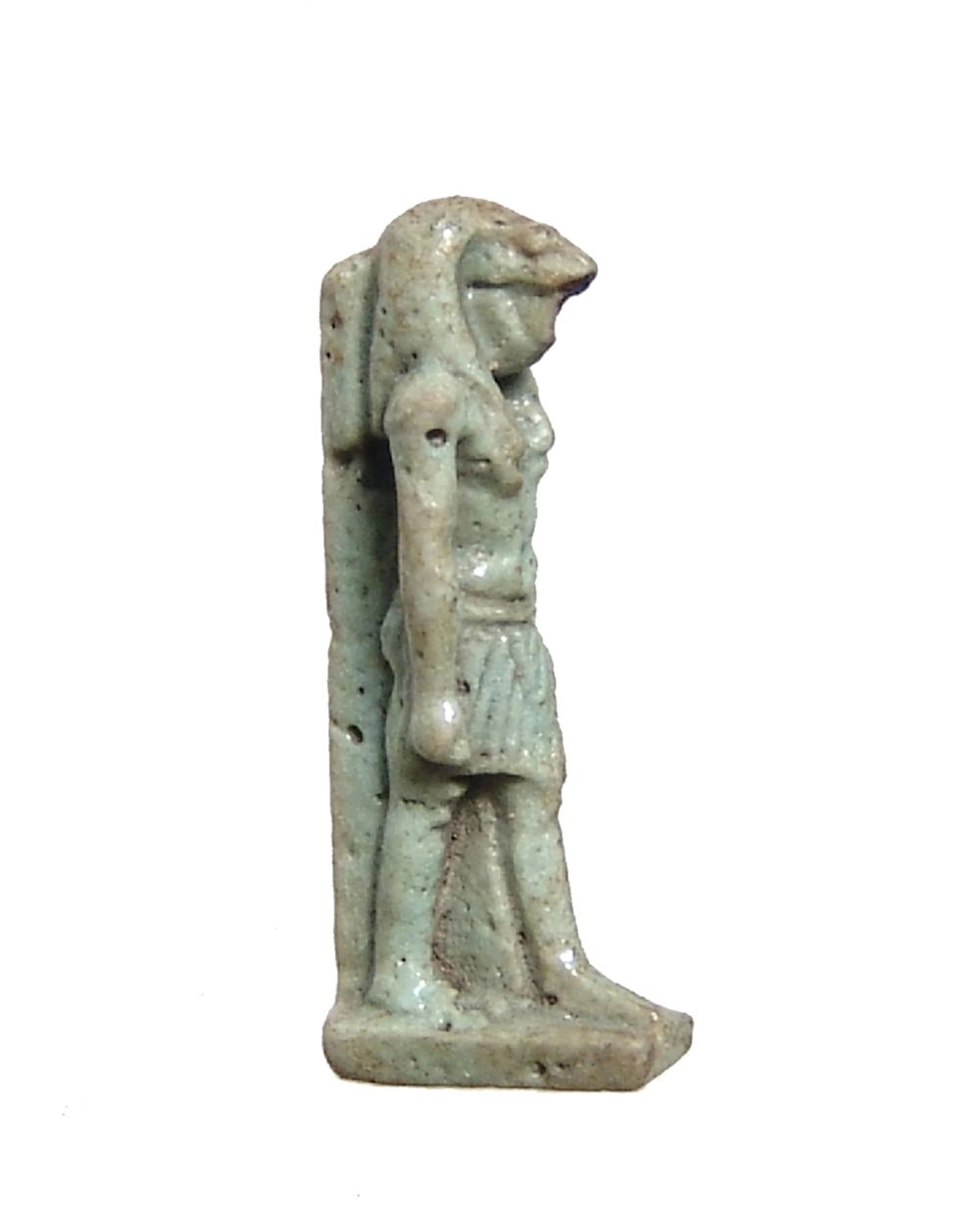
A lovely Egyptian faience amulet of Thoth
12/08/2018
SEK 2,275.99
Uppsk.: SEK 1,820.79
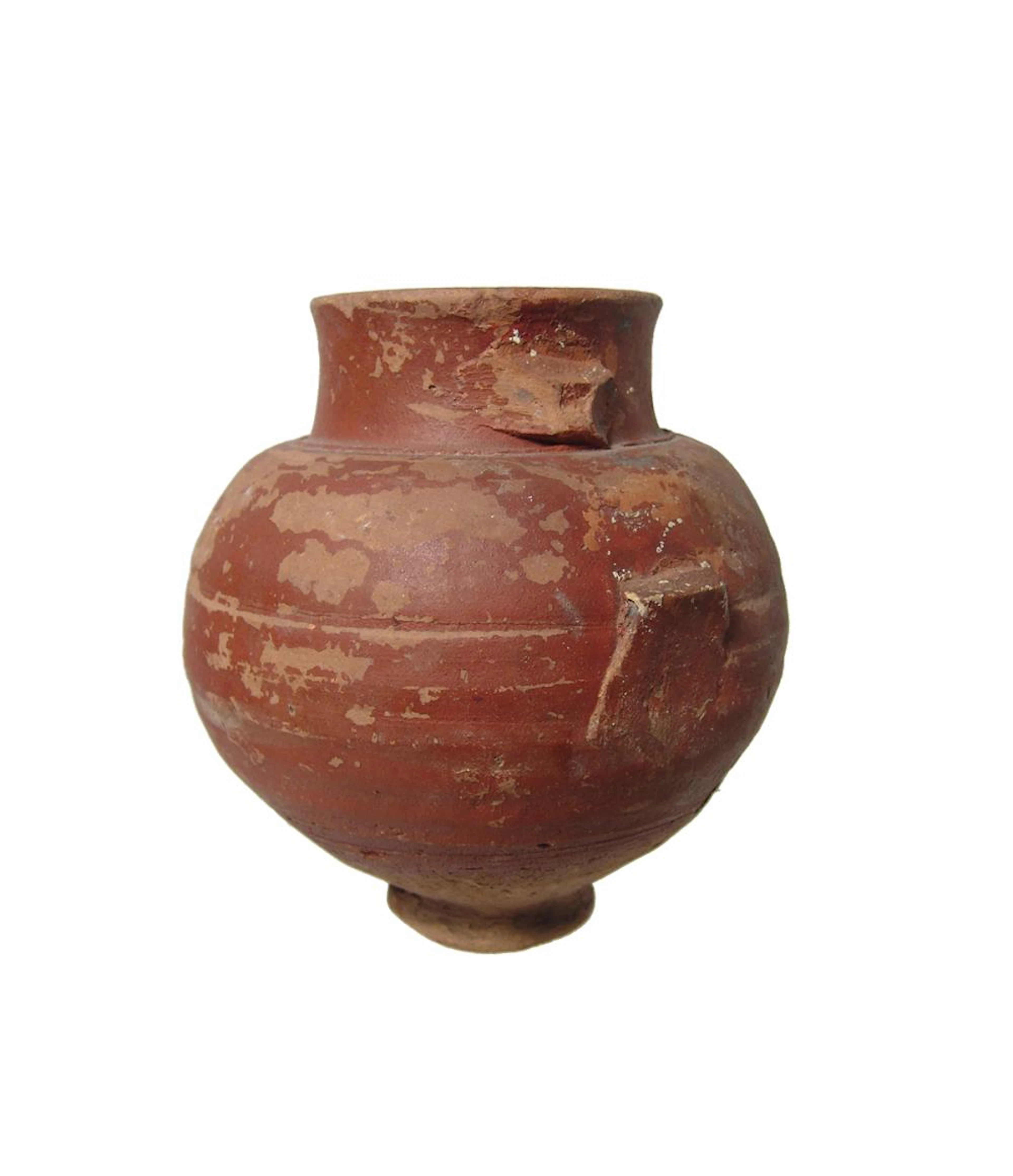
Roman orange-ware round bodied vessel
07/22/2018
SEK 1,072.32
Uppsk.: SEK 1,072.32
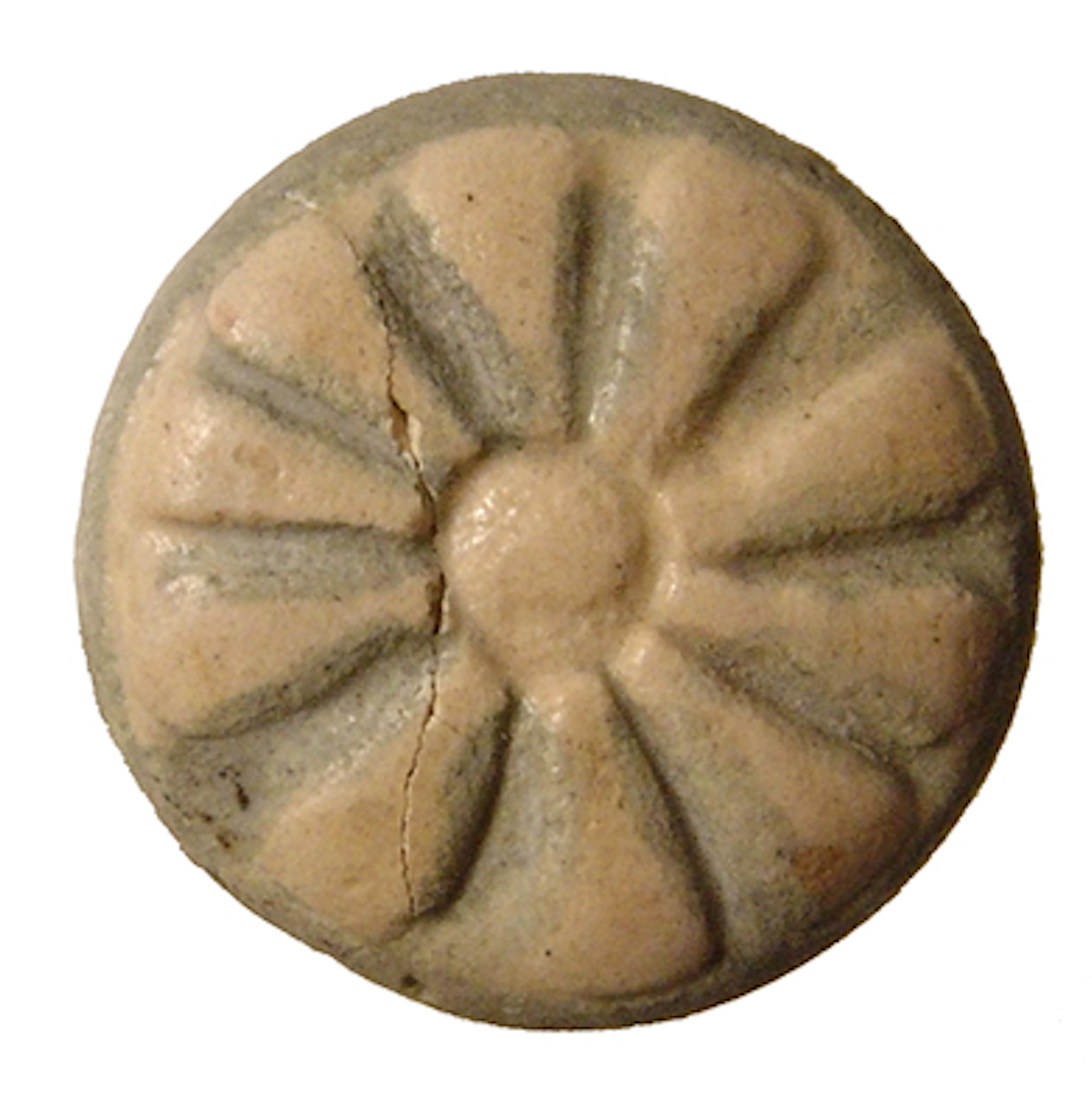
A nice Egyptian faience rosette inlay, Late Period
02/11/2018
SEK 787.9
Uppsk.: SEK 945.48
Nå samlare över hela världen med din auktion!
Lista er auktion