
Alla auktioner / Förhistorisk Konst / Ancient Roman

Ancient Roman
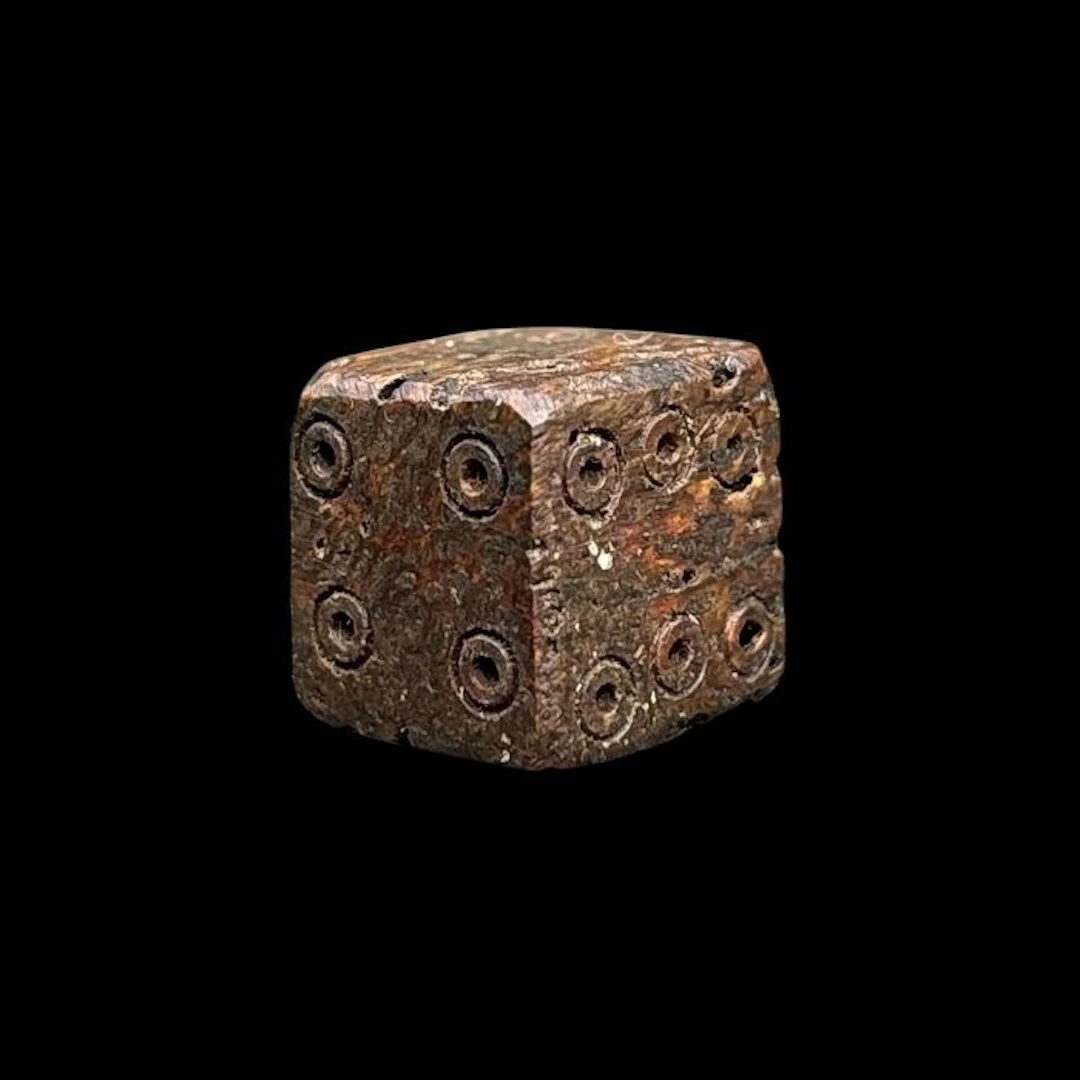
The second century A.D. was a time of prosperity for the Romans in the Netherlands. The limes, the Roman border that ran along the great rivers, was to a certain extent secured and only needed to be guarded. To guard a border that stretched all across the Netherlands from Germany to the North Sea, you needed a lot of soldiers. A river is a natural border, which is difficult to cross but also easier to defend. Many Dutch cities, such as Utrecht, Nijmegen and Leiden, owe their origins to the Roman limes. Along this border many forts (castella) and military camps (castra) were established. These settlements primarily served to protect the borders, but they also offered space for trade. Trade took place between the various limes settlements, usually via the river. The Romans also traded with the native tribes on the other side of the border. The Romans did not live in a constant state of war with their 'barbaric' neighbors, and peaceful contact was certainly possible. With many impressive watchtowers, the limes functioned more as a boundary and hopefully a deterrent, than an impenetrable barrier. In the second century A.D. it was fairly quiet in the southern part of the Netherlands (the province of Germania Inferior). The soldiers in the military camps, forts and watchtowers must have been terribly bored at times. The Roman commanders kept the soldiers busy with cooking, cleaning and gymnastics. After a while, of course, you get tired of that. One of the things Roman soldiers were clever at was finding ways to amuse themselves. They were known to love dice, gambling and other games of chance. They often challenged each other to bet money or other possessions. That quickly makes a game exciting! In several places where Roman settlements once stood, remnants of games have been found. Many of these games are still familiar to us today. A beautiful example are these dice, on display at the Rijksmuseum van Oudheden in Leiden. The dice found did not look much different from our dice. There are even examples of dice that were weighted on one side, making the chance of landing sixes very high! Fortuna—the goddess of luck, chance and fate—would certainly not have been pleased. Dimensions: 13 x 13 x 12 mm Weight: 2.66 grams Material: bone / bone Condition: excellent, a very fine die that is actually even more beautiful in person. Shipping method: this lot will be excellently packaged and shipped via DHL or UPS using Catawiki’s smart shipping.
Utropspris:SEK 2,352.74
Till auktionenVisa alla föremål frånCatawikiellerFörhistorisk Konst
Utropspris:
SEK 2,352.74
Liknande föremål
Auktionsresultat för liknande föremål
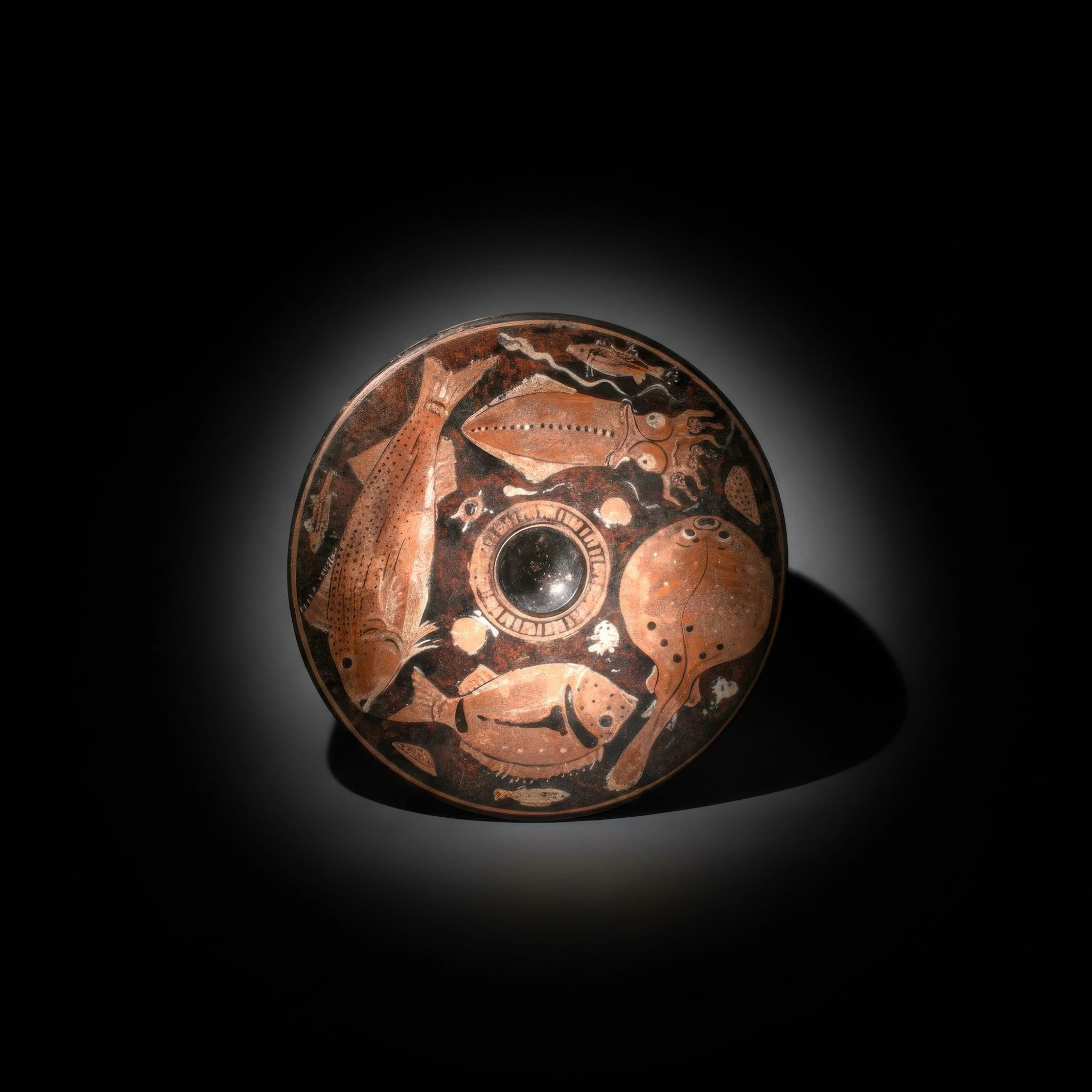
VERY RARE APULIAN RED-FIGURE FISH PLATE WITH 15 SEA CREATURES
06/21/2026

SEK 254,990.72
Uppsk.: SEK 126,785.75
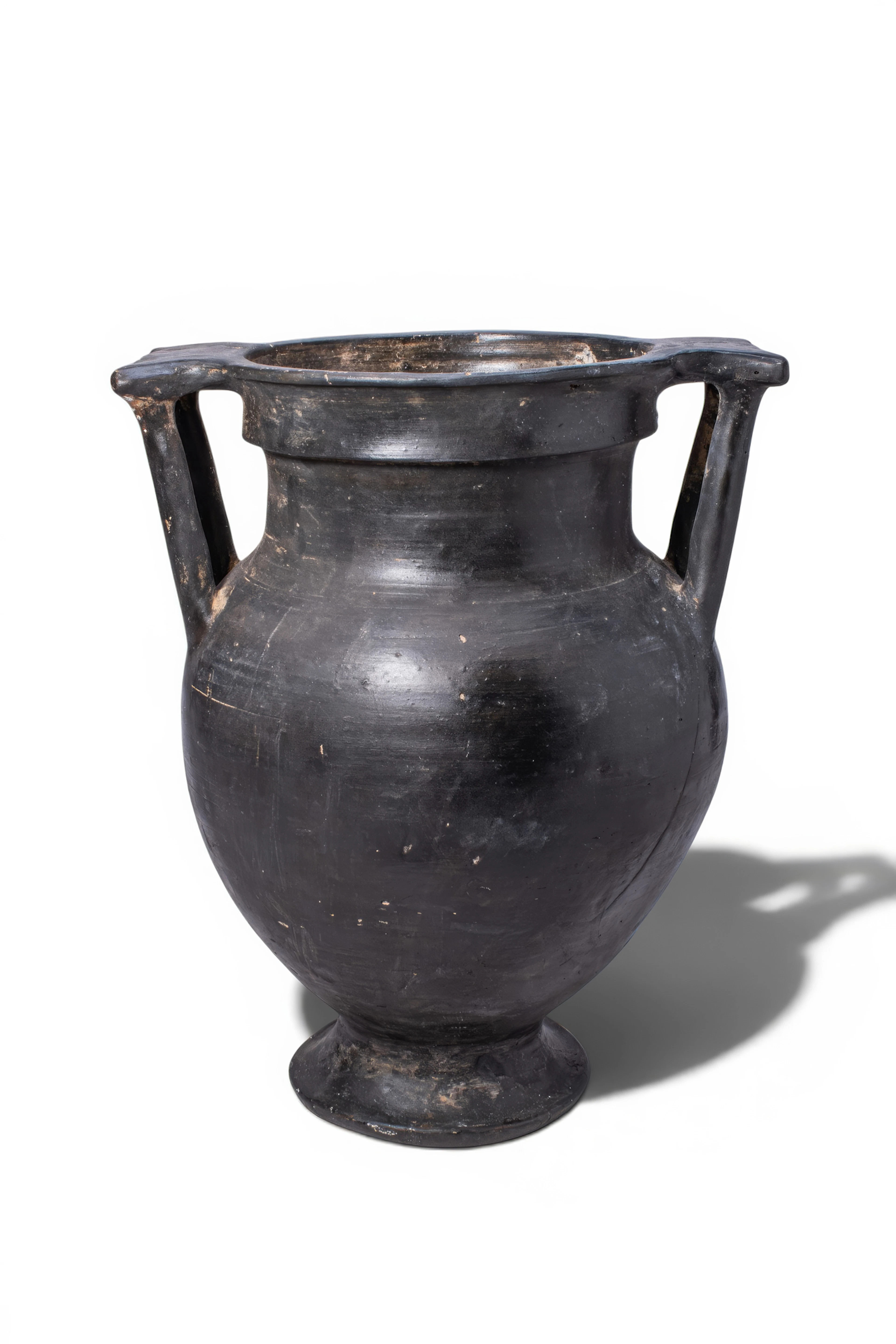
LARGE GREEK LACONIAN BLACK-GLAZED COLUMN KRATER
06/21/2026
SEK 16,574.39
Uppsk.: SEK 12,484.8
Nå samlare över hela världen med din auktion!
Lista er auktion