

OCT 8 | 3:00 PM

Nå samlare över hela världen med din auktion!
Lista er auktionGenom att prenumerera godkänner du integritetspolicyn. Avprenumerera när som helst.
Barnebys HQ
Brahegatan 10
BOX 5038
114 37 Stockholm
Alla auktioner / Förhistorisk Konst / Ancient Roman

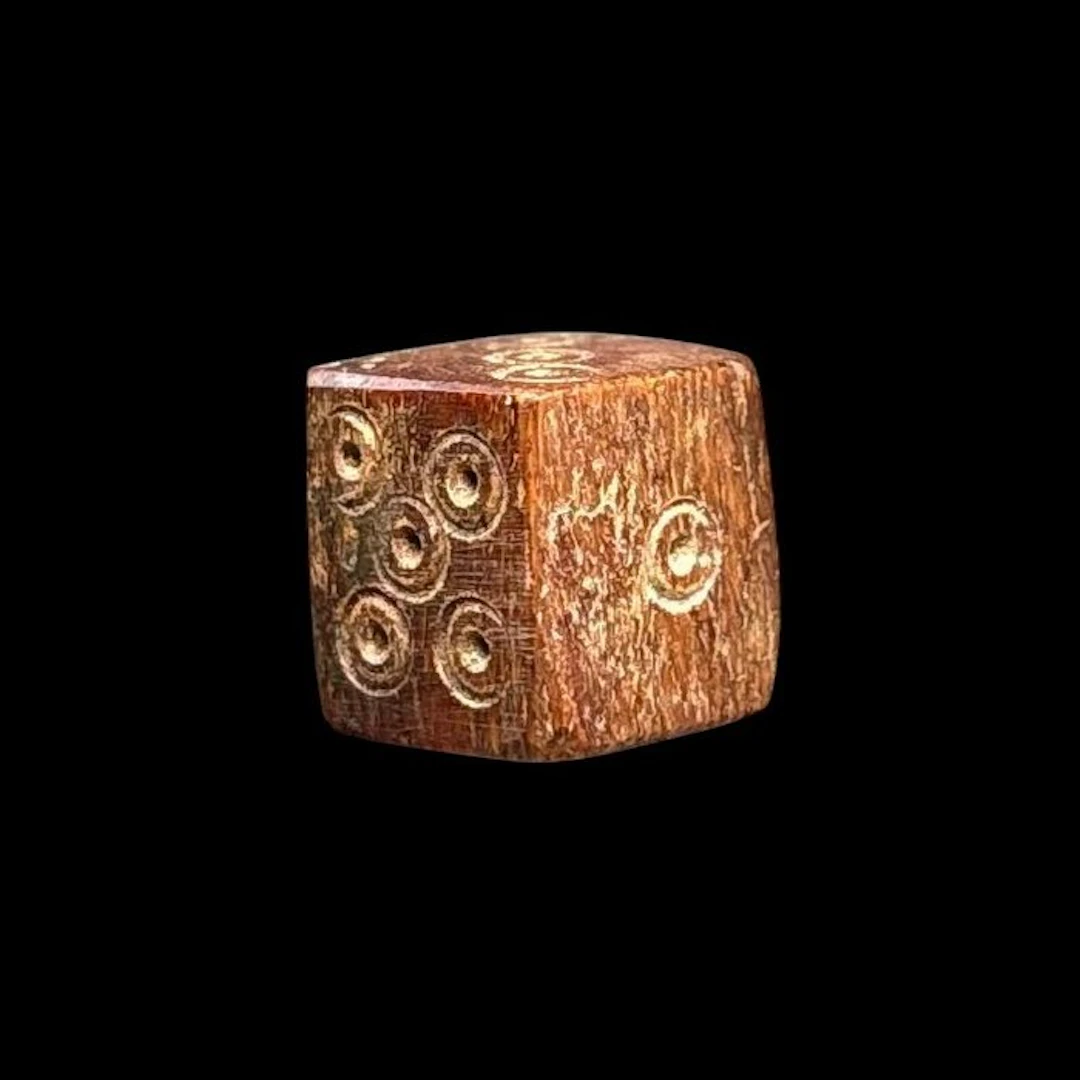
The second century AD was a period of flourishing for the Romans in the Netherlands. The limes, the Roman border that ran along the great rivers, was safeguarded to a certain extent and only needed to be watched. To guard a border that stretched all across the Netherlands from Germany to the North Sea, you needed many soldiers. A river is a natural border, difficult to cross but easier to defend. Many Dutch cities, such as Utrecht, Nijmegen and Leiden, trace their origins to along the Roman limes. Along this border, many forts (castella) and military camps (castra) were established. These settlements primarily served the protection of the borders, but they also provided space for trade. Trade took place between the various limes settlements, usually via the river. The Romans also conducted trade with the indigenous tribes on the other side of the border. The Romans did not live in a constant state of war with their 'barbarian' neighbors, and peaceful contact was certainly possible. With many impressive watchtowers, the limes functioned more as a delineation and, hopefully, a deterrence, than an impenetrable barrier. In the second century AD it was fairly quiet in the southern part of the Netherlands (the province of Germania Inferior). The soldiers in the military camps, forts, and watchtowers must have sometimes been terribly bored. The Roman commanders kept the soldiers busy with cooking, cleaning, and gymnastic exercises. Of course, you get tired of that after a while. One thing Roman soldiers were smart at was finding ways to pass the time. They were known for their love of dice, gambling, and other games of chance. They frequently challenged each other to stake money or other possessions. That certainly makes a game exciting! In several places where Roman settlements once stood, remnants of games have been found. Many of these games are still familiar to us today. A fine example are these dice, on display at the Rijksmuseum van Oudheden in Leiden. The dice found looked not much different from our dice. There are even examples of dice that were weighted on one side, so the chance of landing on six was very high! Fortuna—the goddess of luck, chance, and fate—would probably not have been happy about that. Size: 10 x 10 x 9 mm Weight: 1.77 grams Material: bone Condition: excellent, a very fine dice that is actually even more beautiful in reality. Shipping method: this lot will be shipped well-packaged via DHL or UPS through Catawiki’s smart shipping.
Utropspris:SEK 2,015.91
Till auktionenVisa alla föremål frånCatawikiellerFörhistorisk Konst
Utropspris:
SEK 2,015.91
OCT 8 | 3:00 PM
Nå samlare över hela världen med din auktion!
Lista er auktionSEK 3,094.3
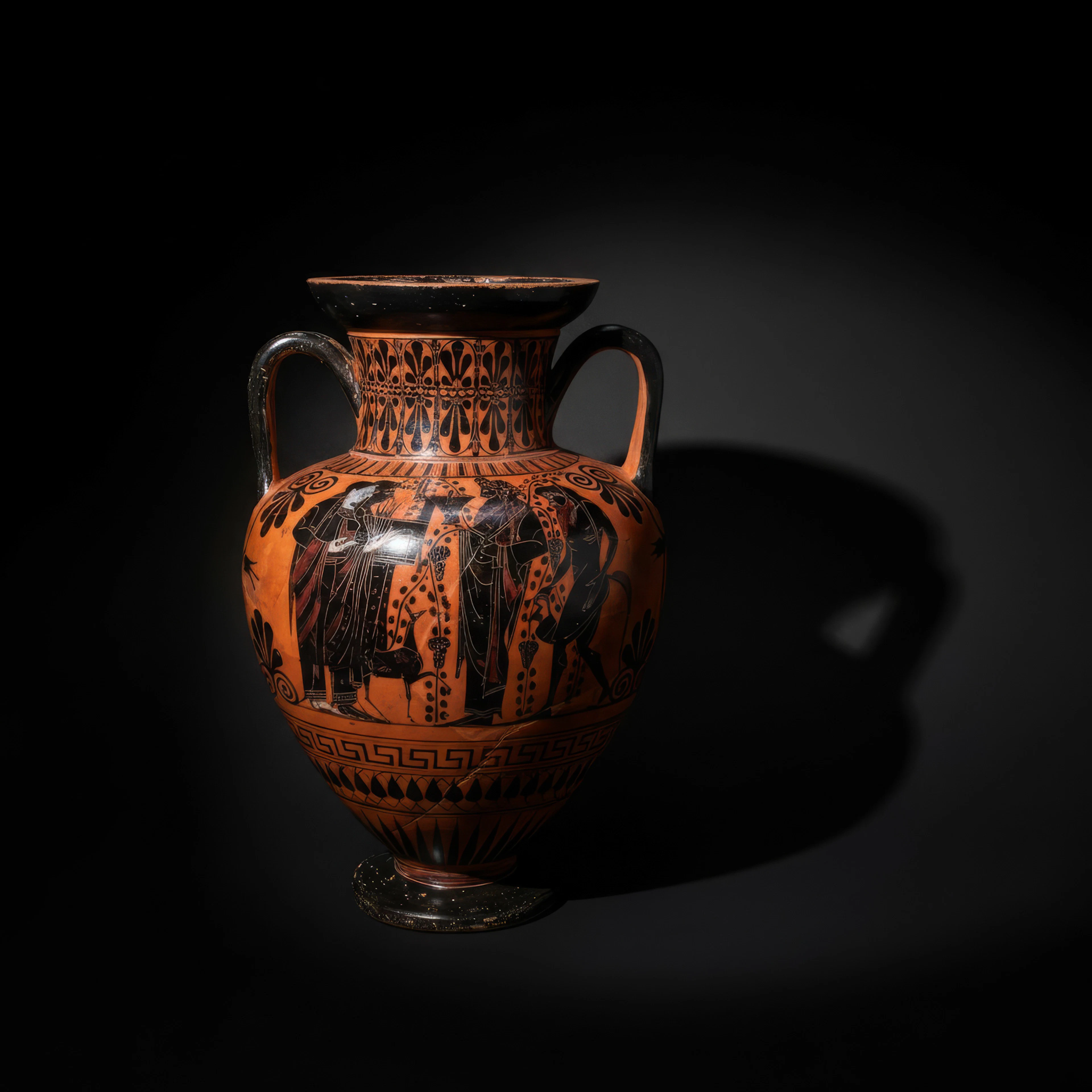
RARE ATTIC BLACK-FIGURE NECK AMPHORA ATTRIBUTED TO THE LYSIPPIDES
06/21/2026

SEK 509,981.44
Uppsk.: SEK 177,500.05
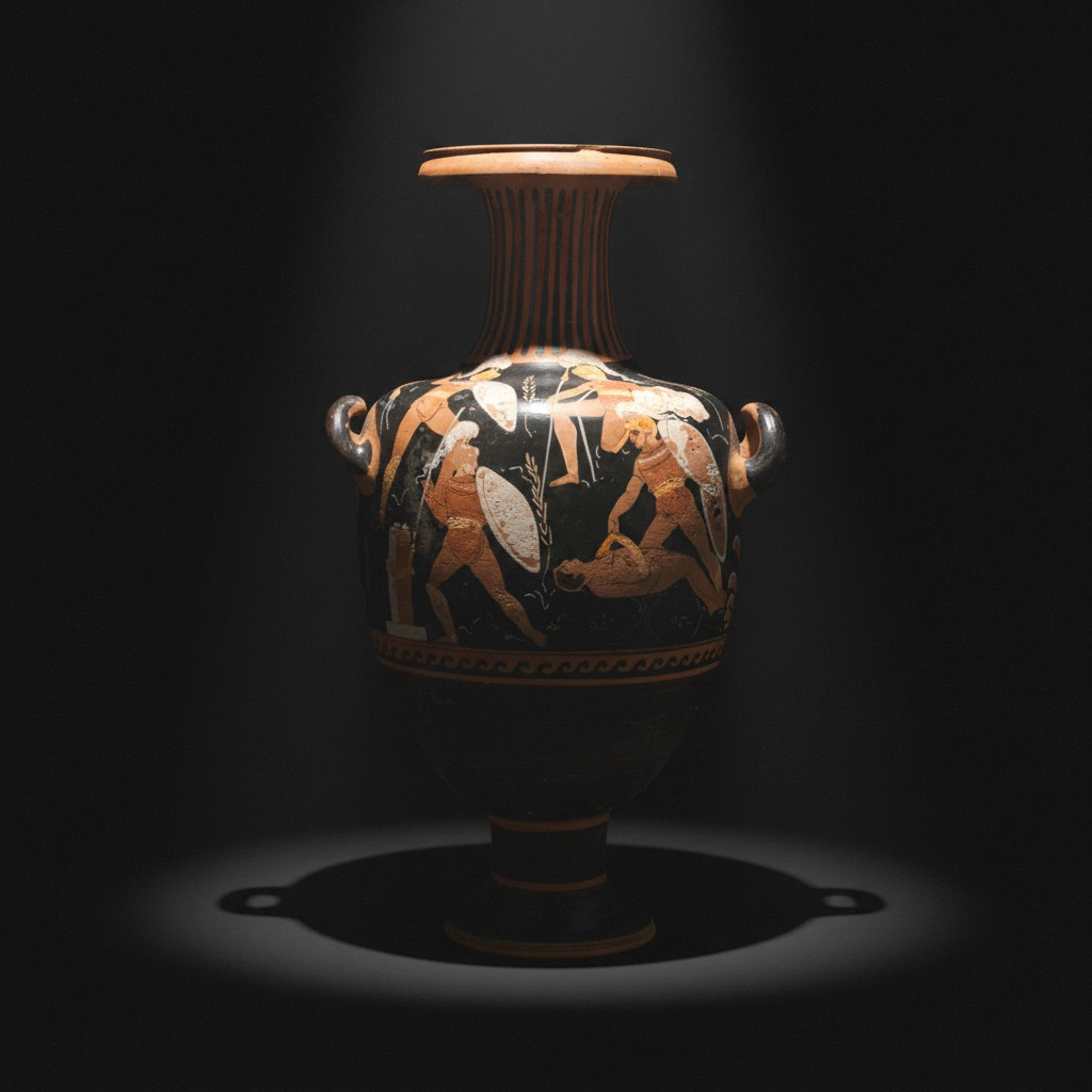
TL TESTED - LARGE GREEK APULIAN RED-FIGURE HYDRIA WITH HOPLITES COMBAT SCENE
06/21/2026
SEK 114,745.82
Uppsk.: SEK 76,071.45