



Alla auktioner / Konst & Grafik / Attribué à Pedro de Valencia (1902–1971) - Le Pêcheur solitaire - NO RESERVE

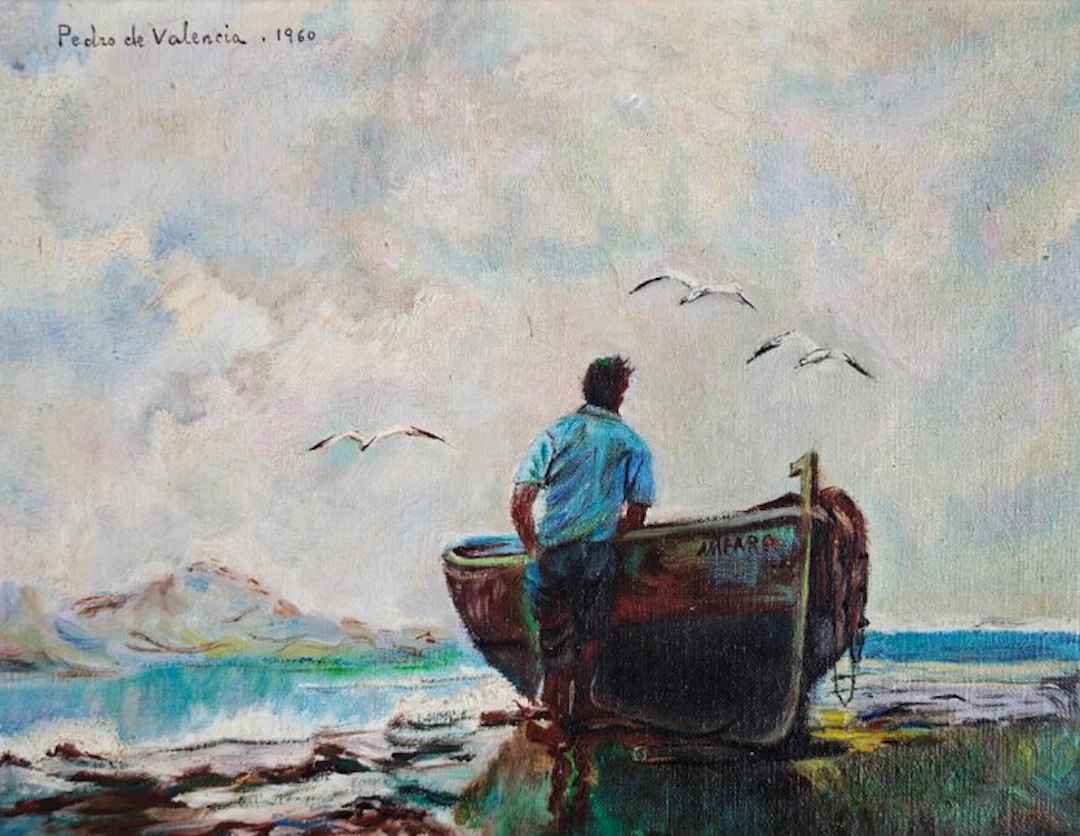
Attributed to Pedro de Valencia (1902–1971) Pescador junto a su barca, 1960 Óleo sobre lienzo – Escuela valenciana del siglo XX Interesting oil painting on canvas attributed to the Valencian artist Pedro de Valencia (1902–1971), artistic pseudonym of Pedro Sánchez García, which portrays an evocative maritime scene featuring a fisherman beside a boat beached on the coast. The work appears signed and dated “Pedro de Valencia. 1960” in the upper left corner, presenting a composition of notable sensibility, in which the human figure, the sea, and the vessel establish a visual dialogue of an intimate and contemplative character. The painting stands out for its expressive brushwork, atmospheric luminosity, and the balance between the bluish tones of the landscape and the more intense colors of the figure and the boat. Its pictorial language relates to the Valencian figurative tradition of the 20th century and to the landscape renovations developed from impressionism and post-impressionism. The scene conveys a sense of serenity and solitude, evoking the close relationship between man and the Mediterranean. The artist: Pedro de Valencia (1902–1971) Pedro Sánchez García, known artistically as Pedro de Valencia, was born in Valencia in 1902 and died in 1971. He was a painter linked to the renewal of Valencian painting during the 20th century, developing a career characterized by an interest in the human figure, portraiture, and landscape. He began his artistic training at the Academy of Fine Arts of San Carlos in Valencia, where he received instruction from artists linked to the Valencian academic and figurative tradition, among them José Benlliure. From an early age he showed interest in the new artistic languages that were beginning to transform the Spanish pictorial panorama. In 1918 he participated in the exhibition “Arte Joven,” held at the Sala Imperium in Valencia, regarded as one of the first manifestations of Valencian artistic vanguard. This initiative also included artists such as Genaro Lahuerta and Vicente Mulet. His relationship with Genaro Lahuerta acquired special importance within his career. Both artists shared aesthetic concerns, professional experiences, and travels, establishing ties with different Spanish cultural environments. In 1924 he moved to Madrid with Lahuerta, coming into contact with literary and art personalities, among them Max Aub, José Gutiérrez Solana, and the critic Manuel Abril. These relations helped broaden his artistic horizon and place him within cultural circles interested in the renewal of Spanish painting. Throughout his career, Pedro de Valencia developed a personal figurative language, combining observation of reality with a modern interpretation of forms and color. His production covered different genres, especially portraits, figure studies, and landscapes. In 1936 he won the third prize at the Pittsburgh International Exhibition with a painting titled Primavera, a recognition that reflects the international projection achieved by his work. Later, in 1944, he participated in the Salon of the Eleven, an initiative linked to the Breve Academy of Art Criticism promoted by Eugenio d’Ors. His career constitutes a significant example of the evolution of Valencian painting from figurative tradition toward more modern and personal approaches. Within his production, landscape occupied an important place, offering the artist the opportunity to explore atmospheric effects, chromatic relationships, and human presence in the natural environment. Description of the work The composition represents a coastal scene in which a fisherman appears beside a traditional boat, gazing at the sea horizon. The male figure occupies the central area of the painting, depicted from behind and slightly shifted to the right. The character wears a shirt of a vivid turquoise blue and dark trousers. His posture, apparently relaxed, conveys an attitude of waiting or contemplation. The absence of eye contact with the viewer reinforces the introspective nature of the scene. Beside the fisherman there is a wooden beached boat, portrayed with brown, reddish, green, and bluish tones. The hull of the boat presents a solid and voluminous structure, with dark brushstrokes defining its different surfaces. The vessel occupies a large part of the right side of the composition and is one of the main visual elements of the painting. Its presence introduces a weighty, stabilizing counterpoint against the breadth of the sky and sea. In the foreground are rocks and land and vegetation surfaces, treated with quick brushstrokes of browns, greens, and ochres. These natural forms establish a transition between the viewer and the maritime space. On the left side stretches a wide water surface, represented with delicate bluish and turquoise tones. In the distance a mountain landscape with soft profiles is visible, partially enveloped in a clear atmospheric setting. The sky occupies a considerable part of the composition and is constructed with brushstrokes of whites, grays, blues, and small pinkish nuances. Several seabirds appear suspended in the air, introducing movement and reinforcing the coastal character of the scene. The combination of these elements creates a balanced composition, in which the human figure and the boat harmoniously integrate with the landscape. Style and artistic influences From a stylistic point of view, the work is related to 20th-century Valencian figurative landscape painting, showing affinities with certain impressionist, post-impressionist, and expressionist trends. The composition maintains a naturalistic structure, based on the recognizable representation of the human figure and the surrounding environment. However, its execution features free brushwork, especially visible in the sky, rocks, boat, and vegetative surfaces. The artist gives special importance to chromatic interpretation of the different elements, avoiding overly minute description. Impressionist influence can be seen in the attention to atmosphere and to the effects of natural light. The sky and sea are represented by color variations that suggest the lighting conditions of the landscape. Moreover, the construction of the boat and the human figure through relatively broad color blotches allows affinities with certain post-impressionist tendencies. The work also presents an expressive component, especially noticeable in the intensity of the blue of the shirt and in the energetic treatment of some foreground elements. The result is a painting that combines landscape observation with a personal interpretation, characterized by spontaneity and chromatic sensitivity. The human figure and the landscape One of the most interesting aspects of the composition is the relationship between the fisherman and the maritime environment. The figure is depicted from behind, with no elements allowing individual identification of the character. This compositional choice transforms the fisherman into a universal human presence, linked to the tradition of maritime labor. The boat constitutes a symbolic prolongation of his daily activity. Both elements appear placed on the coast, facing the vastness of the sea. The scene does not depict a moment of intense activity, but an instant of stillness. The character seems to observe the horizon, establishing a silent relationship with the landscape. This contemplative attitude introduces an emotional dimension that transcends mere picturesque representation. The work can be interpreted as an evocation of seafaring life and of the historical relationship between coastal communities and the Mediterranean. Light and color treatment The painting presents a luminous color palette, dominated by light blues, turquoises, whites, grays, and earth tones. The sky constitutes one of the main spaces for chromatic experimentation. Its surface is built with soft, partially overlapped brushstrokes, generating an atmosphere of diffused luminosity. Light whites and light grays combine with small blue-tinted and pinkish nuances, suggesting the presence of clouds and variations of light. The sea is represented with a range of soft blues and greens, with horizontal brushstrokes evoking its surface. The fisherman’s shirt introduces one of the most intense chromatic accents of the composition. Its turquoise blue stands out against the more subdued landscape tones, turning the human figure into an important focal point. The boat features a combination of browns, burgundies, dark greens, and blues, reinforcing its volume and material character. The rocks and vegetation in the foreground are treated with ochres, browns, and greens, creating contrast with the sea’s luminosity. Together, they convey a sense of atmospheric freshness and chromatic balance. Technique and execution The work is oil on canvas, with visible brushwork and an expressive character. The sky has a relatively light treatment, with chromatic spots that blend partially with each other. The fisherman’s figure is built with more defined brushstrokes, especially in the shirt and pants. The artist uses light and shadow contrasts to suggest volume. The boat shows a denser execution, with overlapping brushstrokes contributing to represent the texture and structure of the wood. The foreground rocks display spontaneous handling, with strokes in different directions. The distant mountainous landscape is solved with greater formal synthesis, favoring a sense of distance. Alternation between areas of light brushwork and areas of greater intensity provides variety and dynamism to the painted surface. The execution reflects an interest in capturing the overall impression of the scene and its atmospheric qualities. Composition and perspective The composition presents a horizontal structure, organized around three large elements: the coast, the sea, and the sky. The fisherman and the boat occupy the main plane, while the maritime landscape extends toward the horizon. The artist uses the arrangement of rocks and the coastline to introduce depth. The boat, placed at a slightly diagonal position, adds volume and stability to the whole. The fisherman acts as a vertical axis, establishing a relationship between the foreground and the breadth of the landscape. The seabirds introduce small movement accents in the sky. The alternation between static and dynamic elements creates a balanced composition. The vastness of the atmospheric space helps reinforce the sense of tranquility. The Valencian maritime tradition in painting The seascape has held a fundamental place within Valencian painting. Proximity to the Mediterranean and the historical importance of fishing activities favored the development of an extensive artistic tradition devoted to representing beaches, boats, and coastal scenes. During the 19th century and early 20th century, numerous Valencian painters found in these motifs a particularly suitable field to investigate the effects of natural light. Joaquín Sorolla’s work decisively contributed to consolidating the importance of the Mediterranean landscape within Spanish painting. Subsequently, different generations of Valencian artists continued exploring these themes through increasingly personal pictorial languages. Impressionist, post-impressionist influences and the European avant-gardes favored greater freedom in the use of color and in the interpretation of forms. In this context, scenes of fishermen and boats retained their importance as motifs linked to Mediterranean cultural identity. The present painting participates in this tradition, combining a recognizable maritime theme with a modern figurative execution. Signature and date The work bears an inscription in the upper left corner, rendered in a dark tone, which can be read as: “Pedro de Valencia. 1960” The inscription constitutes a relevant element for its cataloging and allows relating the painting to the Valencian artist’s production during the mature stage of his career. The work is presented under the designation “Attributed to Pedro de Valencia,” without implying definitive documentary authentication of authorship. Frame and presentation The painting is framed within a wide decorative gilded frame, with a surface showing an ornamental craquelure effect. The frame combines different tones of aged gold and brown, enriched with classical-inspired profiles. A wide inner textile-textured beige molding visually separates the painting from the outer frame. The pictorial surface is bounded by a clear profile, helping to highlight the landscape’s luminosity and the sea’s blue tones. The whole offers a decorative and balanced presentation, especially suitable for a painting with a Mediterranean theme. The frame is offered as a gift to the buyer, with no commercial value, and is not an integral part of the artwork, so any possible defects in it will not be grounds for claim. It is recommended to carefully examine all photographs, which form an integral part of the description, to adequately assess the conservation status of the painting and its framing. Characteristics Authorship: attributed to Pedro de Valencia (1902–1971). Artist’s name: Pedro Sánchez García, known as Pedro de Valencia. School: Valencian, 20th century. Date: 1960, according to visible inscription. Technique: oil on canvas. Genre: maritime landscape with figure. Subject: fisherman beside a boat in a coastal landscape. Style: Valencian landscape figuration with impressionist and post-impressionist influences. Signature: inscription “Pedro de Valencia. 1960” in the upper left corner. Presentation: framed. Shipping The work will be carefully and professionally packed, using suitable protective materials to ensure its safety during transport. Imports from outside the European Union may be subject to taxes, customs duties, import fees, clearance costs, and/or customs procedures. These possible charges will be the sole responsibility of the buyer and are not included in the hammer price or shipping costs. Additionally, shipments to islands, insular territories, or remote or hard-to-reach areas as considered by the carrier may incur extra charges. Any surcharge applied by the shipping company for this reason must be borne by the buyer. Buyers are recommended to pre-check customs conditions and possible transport surcharges applicable to their destination."
Utropspris:SEK 11.12
Till auktionenVisa alla föremål frånCatawikiellerKonst & Grafik
Utropspris:
SEK 11.12
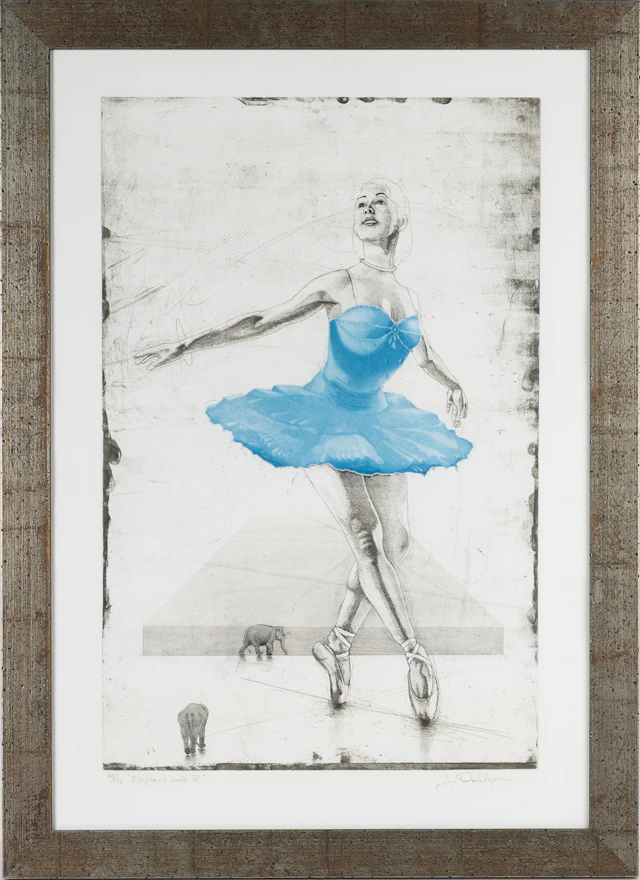
JAN DAHLGREN (FÖDD 1954). "Elephant walk III", etsning.
10/23/2026
SEK 300
Uppsk.: SEK 1,000
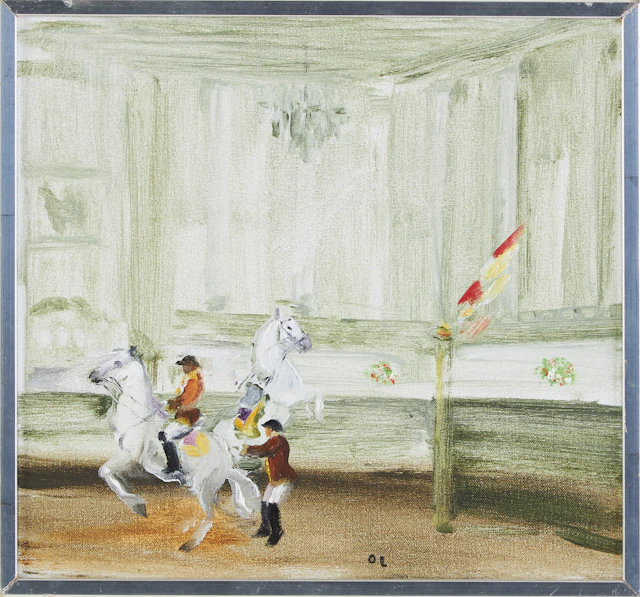
OLLE LINDGREN (FÖDD 1930). "Detroit" och interiör med hästar, (2 )
10/23/2026
SEK 1,000
Uppsk.: SEK 2,000

SERRA. BOL EN CERÁMICA CON MOTIVO GEOMÉTRICO.
10/23/2026
SEK 333.77
Uppsk.: SEK 668.32
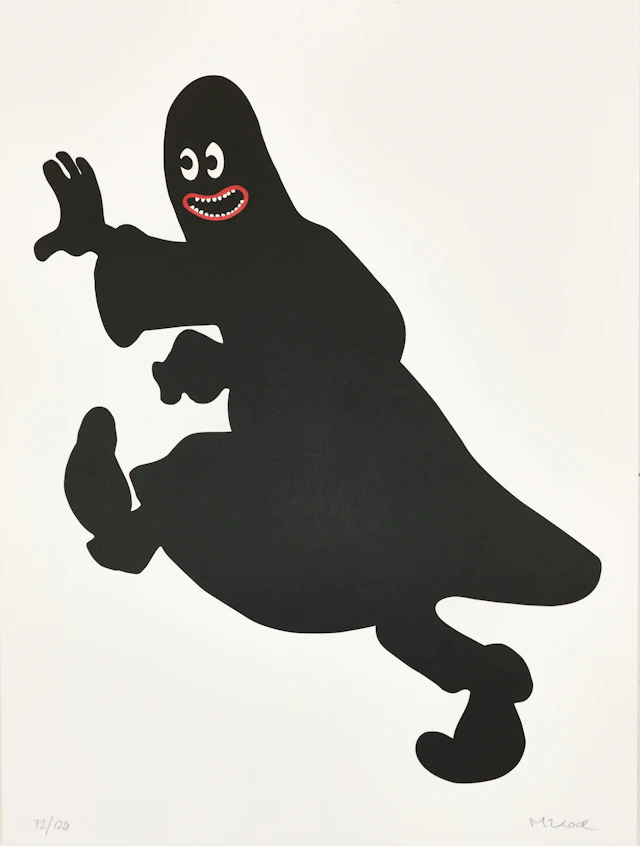
MAKODE LINDE (Sverige, född 1981). "Phantom Blot", signerad och numrerad
10/23/2026
SEK 1,461
Uppsk.: SEK 2,500
Nå samlare över hela världen med din auktion!
Lista er auktionGenom att prenumerera godkänner du integritetspolicyn. Avprenumerera när som helst.
Barnebys HQ
Brahegatan 10
BOX 5038
114 37 Stockholm
