
Alla auktioner / Förhistorisk Konst / Colima, West Coast Mexico Terracotta Seated figure

Colima, West Coast Mexico Terracotta Seated figure
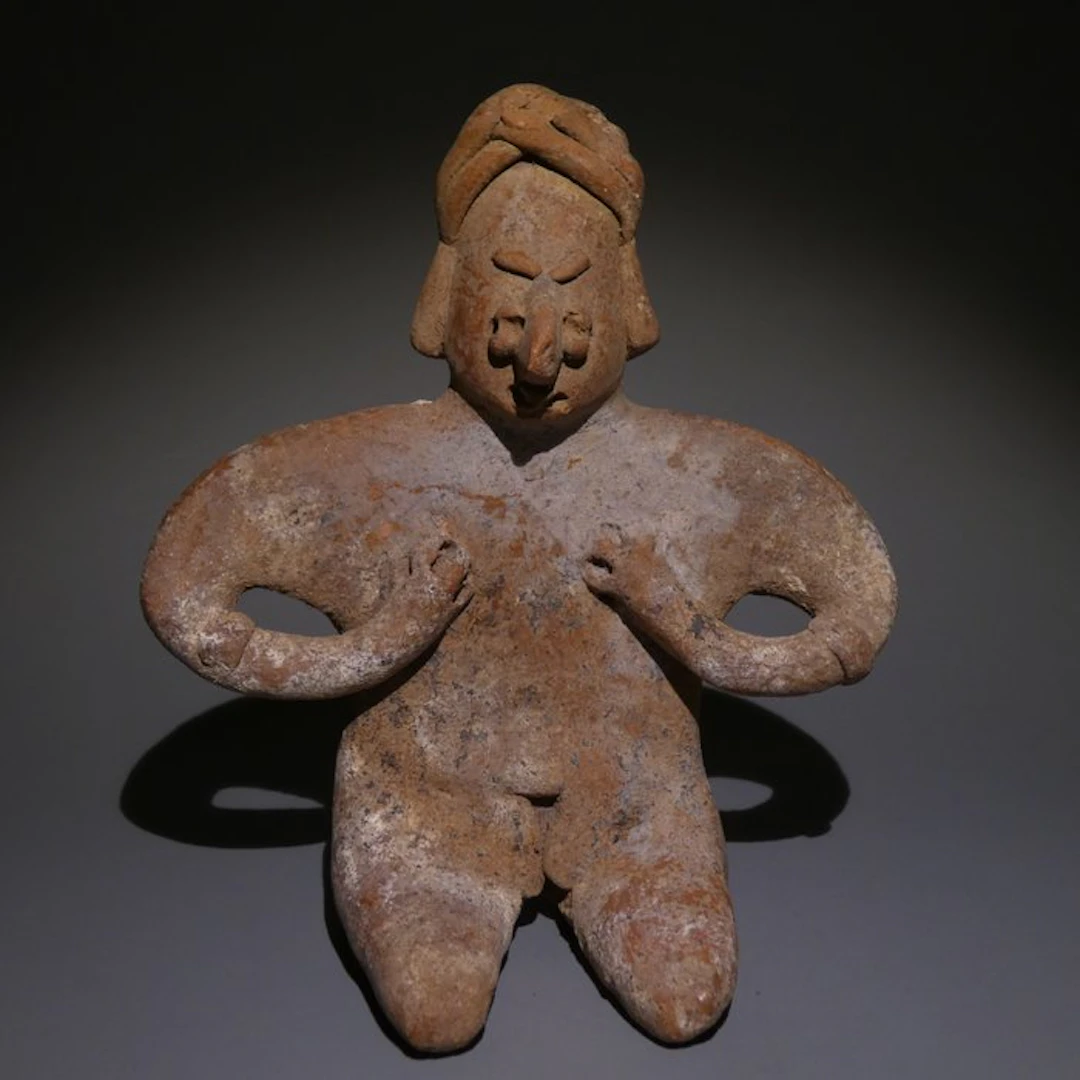
Seated figure. - very nice and pretty - Colima, West Coast Mexico, 100 BC - 250 AD Terracotta 12 cm Height. Provenance: - Private collection, Nevada, USA, unitl 2024. - Private colecction, Dr. D. Harner, Arkansas, 1950’s - 1960’s. Condition: Very good, see photos. Documents: With Spanish Import / Export license. The Colima people lived in northwest Mexico, in a rugged, low-lying coastal region carved by valleys, each with its own ecology and a warm, humid climate. Little is known about their modes of subsistence, as most of the information we have comes from artifacts from private collections and from the excavation of cemeteries, not residential sites, which usually provide this kind of information. We do know that they practiced irrigation farming, which allowed them to live in large groups in relatively independent villages and urban centers. Colima ceramics display a wide variety of figures and shapes, but little variation in technique. Most pieces have a burnished red finish and some are decorated with orange or white incisions. Molded figures are common, especially of plants, animals (especially dogs) and seashells. Human representations typically feature dwarfs and hunchbacks more than others, and few female forms. Many of these figures have “coffee-bean” eyes and are dressed in finely detailed traditional attire. Little is known of Colima stonework; only a few pieces such as mace heads, small masks and figurines have been found. These people also practiced basketweaving and weaving, and used metallurgy to make objects such as needles, axes, rattles, nose rings and ear ornaments. The vast majority of ceramic pieces that have been ascribed to this culture are grave goods found in the tombs of individuals of high social rank. The Colima buried their dead in family tombs up to 30 meters deep, some with multiple chambers. The bodies were accompanied by a wide variety of grave goods, including ceramic statuettes of armed men, which served as symbolic guardians. Ceramic sculptures of dogs were another common grave good, and were believed to be the emissaries of Xolotl, the god of death. Notes: - The piece includes authenticity certificate. - The piece includes Spanish Import/Export License. - The seller guarantees that he acquired this piece according to all national and international laws related to the ownership of cultural property.
Utropspris:SEK 8,402.65
Till auktionenVisa alla föremål frånCatawikiellerFörhistorisk Konst
Utropspris:
SEK 8,402.65
Liknande föremål
Slutpriser för liknande föremål
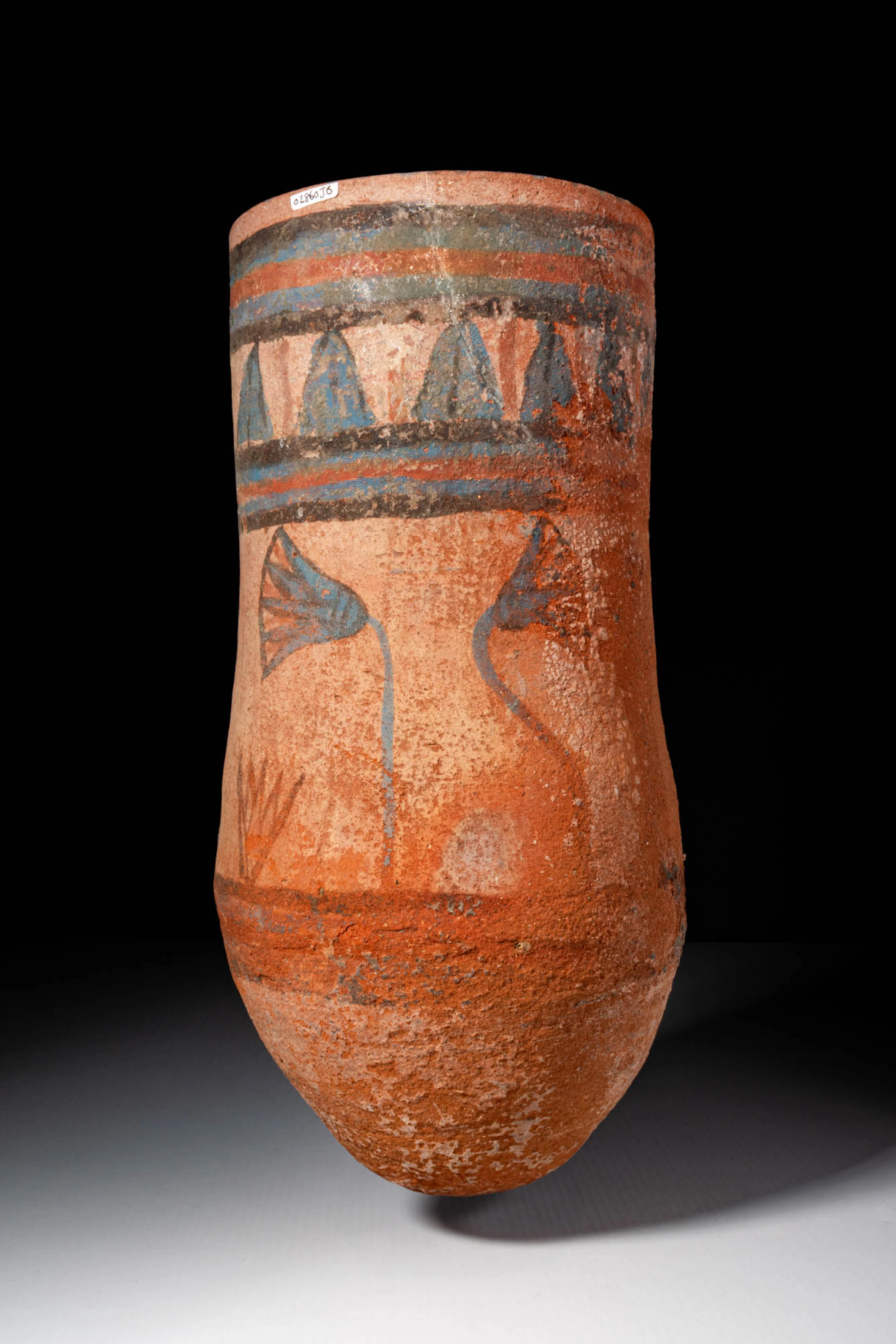
EGYPTIAN POLYCHROME TERRACOTTA VASE WITH LOTUS BLOOMS, WAS-SCEPTRE AND ANKH
06/21/2026

SEK 33,148.79
Uppsk.: SEK 37,454.41
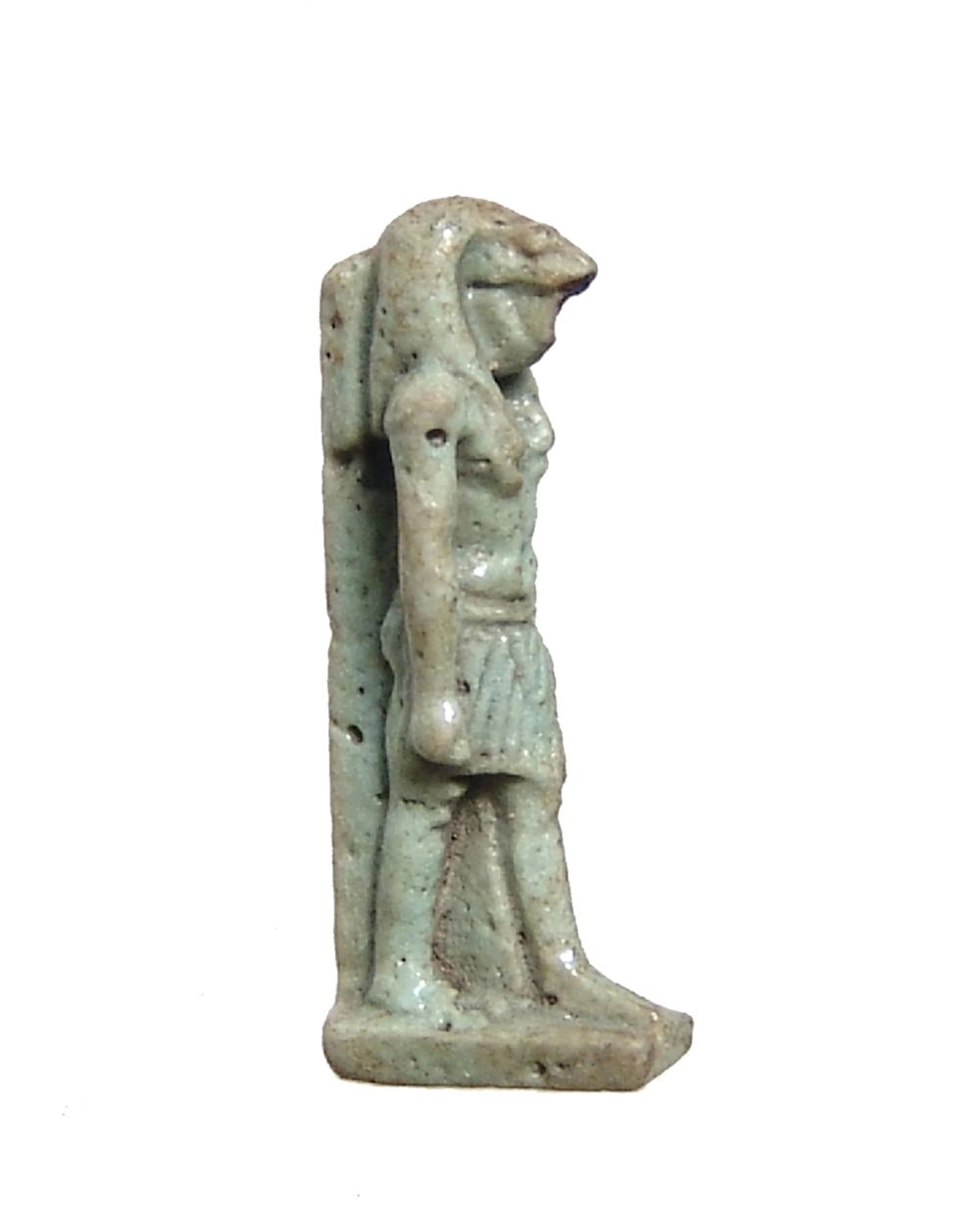
A lovely Egyptian faience amulet of Thoth
12/08/2018
SEK 2,275.99
Uppsk.: SEK 1,820.79
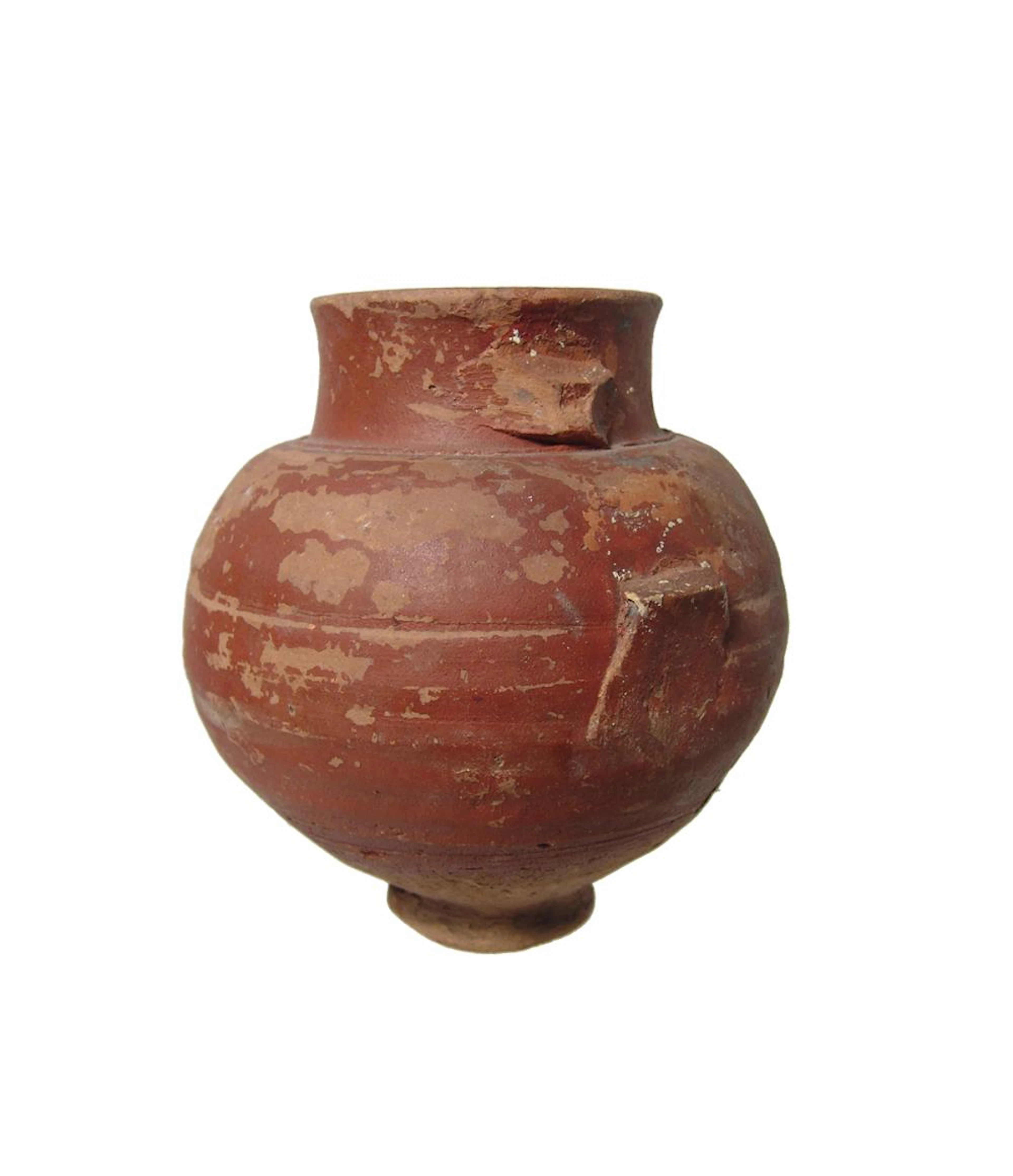
Roman orange-ware round bodied vessel
07/22/2018
SEK 1,072.32
Uppsk.: SEK 1,072.32
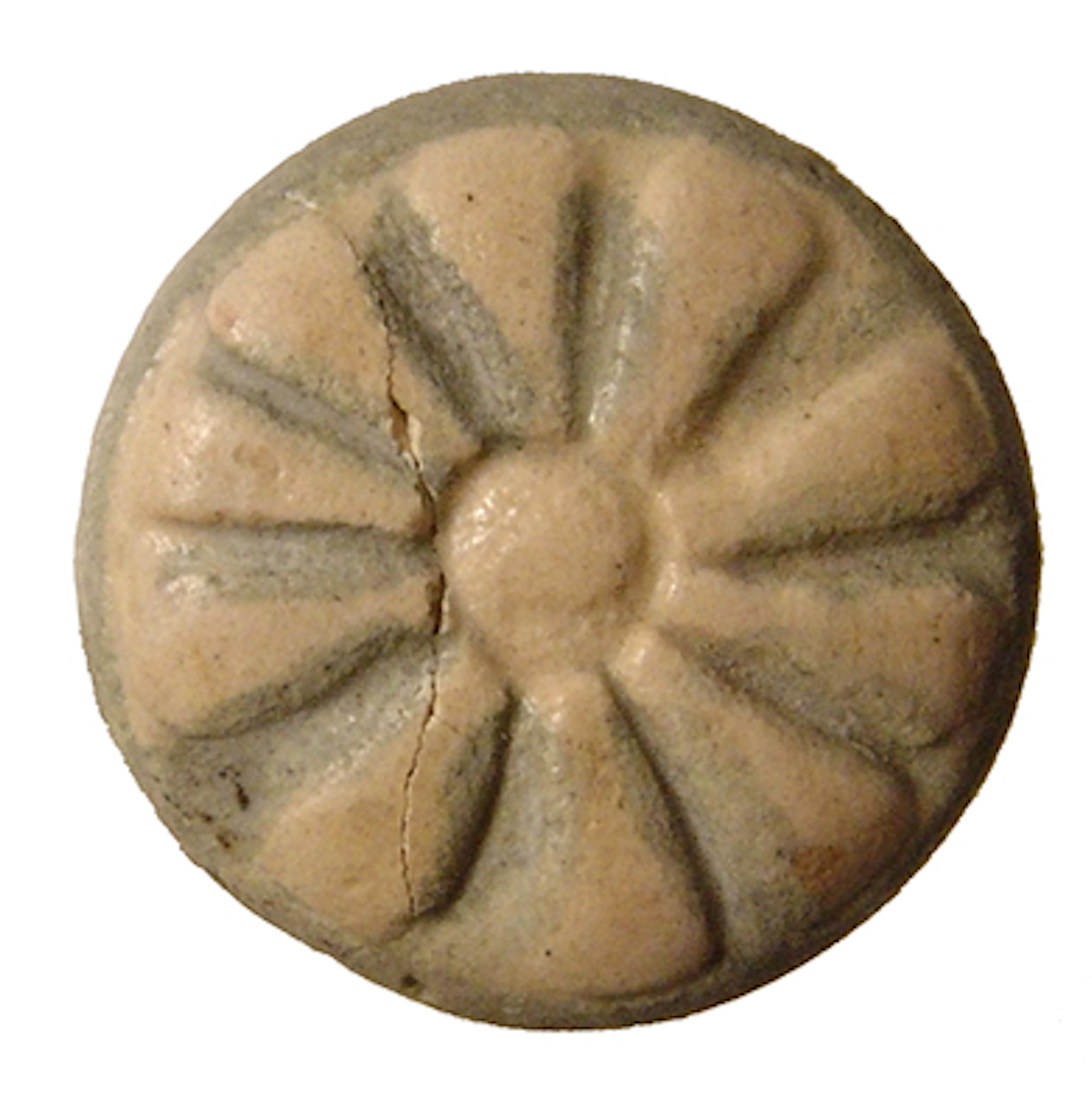
A nice Egyptian faience rosette inlay, Late Period
02/11/2018
SEK 787.9
Uppsk.: SEK 945.48
Nå samlare över hela världen med din auktion!
Lista er auktion