



Alla auktioner / Diverse / École valencienne (XX) - Les Musiciens de rue - NO RESERVE


Valencian School of the 20th Century Popular Musicians – Scene of Everyday Life Interesting oil painting by the Valencian school of the 20th century, depicting a lively scene of everyday life featuring two popular musicians dressed in traditional attire, in an urban festive setting. The work stands out for the expressive force of its characters, the chromatic richness of their garments, and the spontaneity of a composition that evokes popular celebrations, musical traditions, and the daily life of Mediterranean towns. The artist places in the foreground two musicians who play wind instruments, while in the background a group of figures animates the scene and helps to create an atmosphere of collective celebration. The painting exhibits a figurative execution with loose brushwork, with an interesting treatment of volumes, chromatic contrasts, and light. Its pictorial language relates to the tradition of genre painting and Valencian regionalism, currents that found in festivals, popular dress, and scenes of daily life a significant source of inspiration. Description of the work The composition unfolds in an outdoor space, possibly a street or square of a Mediterranean town. In the foreground appear two musicians, depicted at a considerable scale and turned into the absolute protagonists of the scene. On the left is a figure with light hair, partially covered by a dark headdress, playing an open-bell wind instrument, resembling a traditional trumpet. The character wears a dark upper garment, over which a broad fabric in grayish and white tones is arranged. At the bottom stands out an apron or blue-tinted garment, accompanied by light fabrics decorated with small floral motifs. The figure is rendered in a concentrated attitude, with hands holding the instrument and the face slightly inclined. The artist pays special attention to the position of the fingers, the expression of the character, and the fall of the different fabrics. To the right appears a second, shorter musician in the composition, who plays a very large and elongated wind instrument with a circular yellowish bell. The character has a face with strong features, a dark mustache, and a concentrated expression. He wears a dark cap, a gray shirt, a brown-toned vest, and greenish trousers. On one shoulder rests a striking textile piece with red, green, white, and dark stripes, finished with tassels. This element introduces one of the main chromatic contrasts of the painting. The musical instruments are depicted with brushstrokes in ochre, brown, and gold tones, standing out against the garments and the background. In the left side of the second plane, a group of figures is distinguished who seem to participate in a celebration or popular gathering. The characters are represented more synthetically, with small chromatic spots and quick brushstrokes. Their outfits feature greens, reddish-browns, and blues, enriching the overall scene. The architectural background is formed by a warm-toned wall, with small windows and constructural elements only lightly suggested. The absence of excessive architectural detail allows attention to focus on the musicians. The result is a scene of great vitality, in which music, movement, and color are the main expressive elements. The Valencian School of the 20th Century Valencian painting of the 20th century developed a significant diversity of artistic languages, maintaining a close relationship with the figurative and genre traditions of earlier centuries. During the early decades of the century, numerous Valencian artists found inspiration in popular scenes, rural environments, traditional celebrations, and daily life. The representation of characters dressed in regional costumes constituted one of the recurring themes of this production. Festivals, markets, family gatherings, agricultural activities, and musical celebrations offered motifs of great visual richness. The Valencian School was also characterized by the emphasis placed on color and Mediterranean light. The influence of naturalism, impressionism, and post-impressionism contributed to the evolution of its pictorial language. In certain manifestations, artists combined recognizable figuration with free brushwork and a growing autonomy of color. This work participates in that tradition through a scene with a popular theme, a warm chromatic palette, and an expressive execution. Genre: Costumbrismo and Valencian regionalism Costumbrismo constitutes one of the main stylistic references of the work. This artistic genre focuses on representing customs, traditions, and the characteristic figures of a given society. In Spain, costumbrismo achieved notable development during the 19th century and maintained its presence in numerous artistic manifestations of the 20th century. In the Valencian realm, scenes of popular festivals, traditional dress, and everyday activities acquired special importance. Artists found in these motifs a way to represent cultural identity and the ways of life of their surroundings. The present composition shows a clear affinity with this tradition through the depiction of two popular musicians in a festive setting. The characters do not appear idealized with a solemn pose, but rather shown during the execution of a daily or ceremonial activity. The artist seems interested in capturing a specific moment of the celebration. The concentration of the musicians, the presence of spectators in the background, and the richness of the fabrics all contribute to reinforcing the narrative character. The scene also has a documentary dimension, evoking musical practices and popular celebrations of traditional culture. Although the work is cataloged within the Valencian school, the exact identification of the instruments, costumes, and the celebration depicted would require a dedicated study. Popular music as a pictorial theme Music has long been a recurrent motif in the history of European art. During the 19th and 20th centuries, numerous Spanish painters depicted street musicians, popular bands, and scenes of traditional celebrations. These themes allowed a blend of interest in the human figure with the representation of collective environments. In this work, the musicians take absolute protagonism. Both are shown focused on playing their instruments, seemingly unaware of the spectator’s presence. The artist uses their gestures and postures to convey the sense of musical activity. The tilting of heads, the position of the hands, and the orientation of the instruments create a visual rhythm that runs through the composition. The arrangement of the figures contributes to suggesting movement, while the group of figures in the background introduces the collective dimension of the scene. Music thus becomes the central narrative element in the painting. Style and artistic influences The work features characteristics related to Valencian regionalist painting and the expressive figurativeness of the 20th century. The treatment of the figures combines a descriptive intent with relatively free brushwork. Faces show greater attention to detail, while costumes and the background are resolved with broader color patches. This combination allows broad affinities with certain trends in Spanish painting of the first half of the 20th century. The importance of color and the spontaneity of execution recall some of the approaches developed by Valencian painting after academic naturalism. In this context, the work can be stylistically related to the traditional genre painting of artists such as José Benlliure Gil (1855-1937), especially for its interest in popular characters and genre scenes. It also shows general affinities with the chromatic language and freedom of brushwork developed by various Valencian painters during the 20th century. These references should be understood exclusively as stylistic and historical relations, not implying a direct attribution to those artists. The work has its own figurative language, characterized by intense colors and expressive representation of the characters. The brushwork and the painting technique One of the most interesting aspects of the painting is the combination of different degrees of definition. In the faces and hands, the artist uses a relatively precise brushstroke, aimed at representing expressions and gestures. By contrast, the costumes are executed more freely, with visible brushstrokes and chromatic changes that help suggest the texture of the fabrics. The figure on the left shows an interesting treatment of whites, bluish, and grayish tones. The folds of the clothing are represented by patches of color that generate volume without resorting to overly rigid drawing. In the male figure, the dark tones of the waistcoat contrast with the lighter sleeves and the multicolored striped fabric. The musical instrument introduces a zone of ochres and yellows that stands out from the whole. In the background, the characters appear represented by quick and synthetic brushstrokes. This difference in execution allows for a clear visual hierarchy between the protagonists and the secondary elements. The result is a dynamic composition, in which freedom of brushwork contributes to reinforcing the spontaneity of the scene. Color and Mediterranean light The painting presents a palette dominated by warm tones, ochres, pinks, browns, blues, and greens. The architectural background is worked with pinkish and earthy colors, contributing to a luminous atmosphere. The outfits of the characters introduce stronger color contrasts. The light blue of the left figure’s clothing stands out, establishing a visual relationship with the grayish and white tones of the upper fabric. In the right-hand figure, browns, greens, and grays prevail, enriched by the intense colors of the striped garment. The musical instruments provide warm tones that help balance the composition. The lighting is relatively uniform, without extreme chiaroscuro contrasts. The artist seems to be interested in representing the scene with soft ambient light, which allows appreciation of the different colors. The combination of warm and cool tones generates a harmonious and notably vibrant composition. Composition and spatial depth The work presents a composition organized around two main figures occupying a large part of the pictorial space. The left figure appears slightly forward and in a dominant position. Their instrument projects toward the center of the composition, establishing a visual relationship with the second musician. The right figure has a tilted posture, introducing a complementary movement. The arrangement of both instruments creates a diagonal line structure that adds dynamism. The group of figures in the background forms a second plane and helps reinforce spatial depth. The architecture is represented in a simplified way, functioning mainly as a stage. The artist avoids overly detailed construction of space and concentrates attention on the protagonists. The combination of monumental foreground figures and reduced background characters generates a balanced composition. Artistic and decorative interest The painting constitutes an interesting example of Valencian 20th-century genre painting and regionalist tradition. Its main appeal lies in the depiction of a popular musical scene, the richness of the costumes, and the expressiveness of the characters. The composition combines ethnographic interest of the theme with a free and colorful pictorial treatment. The presence of traditional musical instruments and the festive ambiance add special narrative interest. The work is particularly attractive to collectors of 20th-century Spanish painting, Valencian school, genre scenes, pictorial regionalism, and musical thematics. Frame and condition The work is presented framed by an ornamental golden and light-colored mold, decorated with relief vegetal motifs. The frame has a traditional design, with abundant ornamentation that contrasts with the relatively free execution of the painting. It is important to note that the frame is in poor condition, with imperfections and signs of wear. The frame is included as a gift, with no commercial value, and is not part of the artwork’s valuation. It is delivered in its current condition and its defects will not be grounds for claim. It is recommended to carefully study all photographs, which form an integral part of the description, to adequately assess both the painting and the frame’s condition. Features Artist: Valencian School of the 20th Century. Technique: Oil. Genre: Genre painting. Theme: Popular musicians in a festive scene. Style: Genre painting, Valencian regionalism, and expressive figuration. Era: 20th century. Signature: not identified in the provided photograph. Presentation: framed. Frame condition: poor; included as a gift, without commercial value. Shipping The work will be carefully and professionally packed, using appropriate protective materials to ensure its safety during transport. Shipments to destinations outside the European Union may be subject to taxes, duties, import fees, clearance charges, and customs procedures. Any such charges will be the sole responsibility of the buyer and are not included in the hammer price or the shipping costs. Likewise, shipments to islands, insular territories, or remote or difficult-to-access areas as considered by the transport companies may incur additional costs. Any surcharge applied by the carrier for this reason must be borne by the buyer. It is recommended to consult in advance the customs conditions and any transportation surcharges applicable to the destination.
Utropspris:SEK 5,566.96
Till auktionenUtropspris:
SEK 5,566.96



1 x 0,5 l Myken Arctic Single Malt Whisky Ichthyopathol 4 Years
10/22/2026

SEK 1,401.02
Uppsk.: SEK 849.61
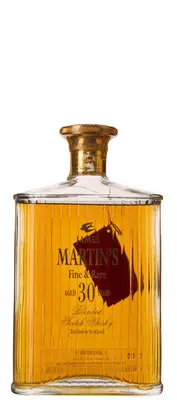
1 x James Martin's Blended Scotch Whisky Fine & Rare Aged 30 Years
10/22/2026
SEK 3,396.43
Uppsk.: SEK 4,248.07
Nå samlare över hela världen med din auktion!
Lista er auktionGenom att prenumerera godkänner du integritetspolicyn. Avprenumerera när som helst.
Barnebys HQ
Brahegatan 10
BOX 5038
114 37 Stockholm
