

OCT 8 | 3:00 PM

Nå samlare över hela världen med din auktion!
Lista er auktionGenom att prenumerera godkänner du integritetspolicyn. Avprenumerera när som helst.
Barnebys HQ
Brahegatan 10
BOX 5038
114 37 Stockholm
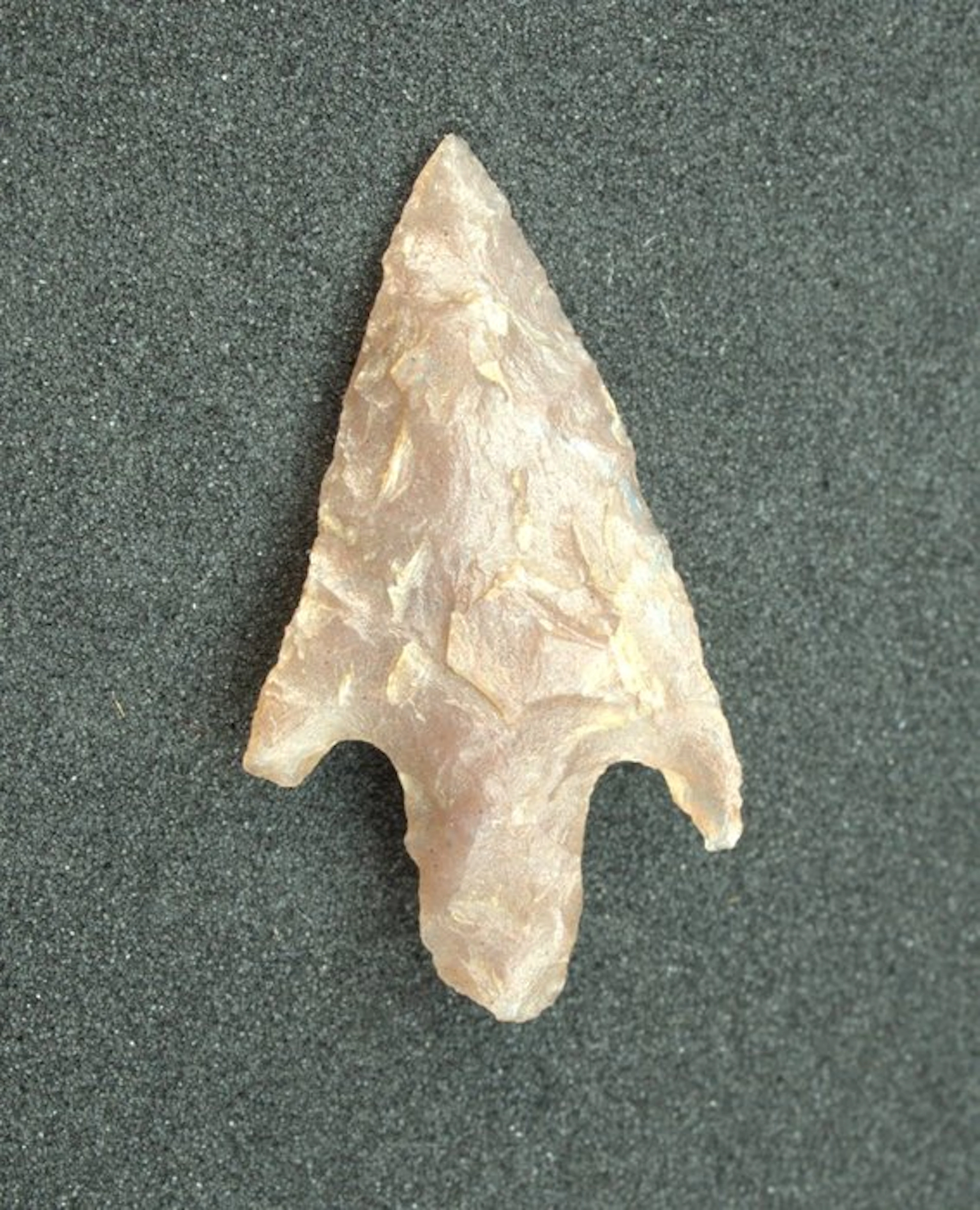
Alla auktioner / Förhistorisk Konst / European Neolithic flint Tanged, Barbed Arrowhead - 26 mm (No reserve price)

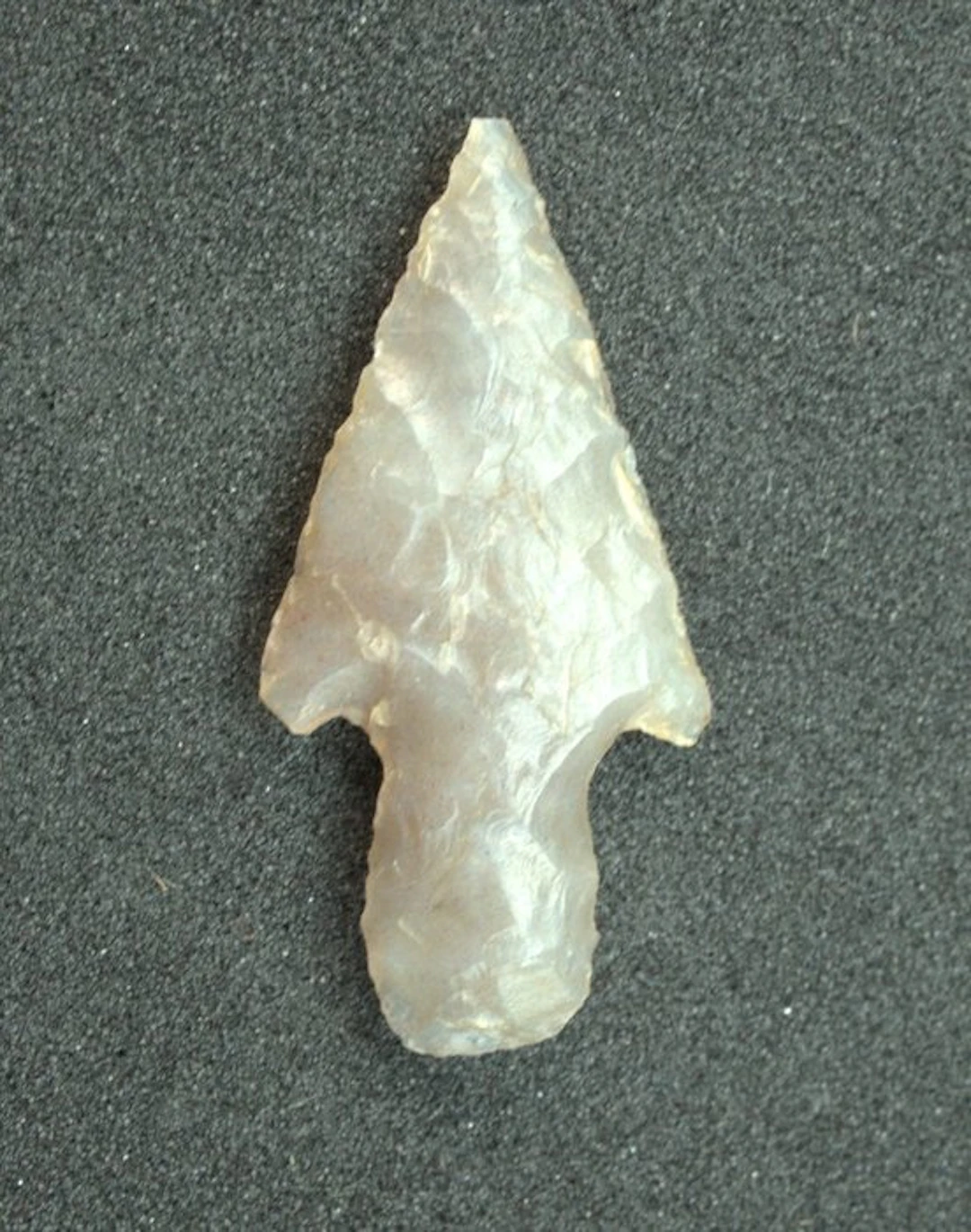
European Neolithic Flint Tanged and Barbed Arrowhead Culture / Period: European Neolithic Date / Period: Late Neolithic, approximately 3000–2000 B.C. Material: Flint Dimensions: Not provided Condition: Good condition, with age-related surface wear and minor irregularities along the edges. The characteristic tang and lateral barbs are preserved. No shipping outside the European Union. Due to complex export regulations concerning cultural goods, this item cannot be shipped outside the EU. Please ensure you have a delivery address within the European Union before placing a bid. Provenance information: Object Registration ID: 1000 The current owner (S.N.J. S.) purchased the tanged and barbed arrowhead from H.T. in Emmen, the Netherlands. The previous owner, H.T. from Emmen, stated that the object had been in his collection since the 1990s. According to the previous owner, the object had previously been part of a private collection in the Netherlands since the 1990s. No further information concerning the earlier ownership history of the object was available from the previous owner. Background Information: This tanged and barbed flint arrowhead belongs to the later phases of the European Neolithic, a period marked by established agricultural communities, increasingly complex exchange networks and the widespread use of carefully manufactured stone tools. Projectile points of this form represent one of the more technically refined products of prehistoric flint working. The distinctive construction combines a pointed blade with two lateral barbs and a central tang. The tang allowed the arrowhead to be firmly hafted into a wooden shaft, probably secured with bindings and an adhesive, creating a composite projectile. The barbs made the point particularly effective after penetration. Such arrowheads were primarily associated with archery and hunting, although bows and arrows could also be employed in interpersonal conflict. Their manufacture required considerable technical skill. A suitable piece of flint first had to be selected and shaped, after which controlled pressure flaking or fine retouch was used to create the point, cutting edges, symmetrical barbs and narrow tang. Flint was an important prehistoric resource because its predictable fracture allowed exceptionally sharp edges to be produced. High-quality flint was also transported and exchanged between communities, sometimes over considerable distances. During the later Neolithic, roughly the 4th to 3rd millennia B.C. in much of Europe, settled farming communities transformed the landscape through agriculture, animal husbandry and the construction of increasingly permanent settlements and monuments. At the same time, hunting remained part of economic life, while stone tools continued to be essential despite the gradual introduction of copper and other metals in some regions. Tanged and barbed projectile points belong within this broader technological transition at the end of the Stone Age. The survival of such an object offers a particularly direct insight into prehistoric technology. Unlike pottery or ornaments, an arrowhead was created as a functional component of a weapon and depended upon the knowledge and manual precision of an experienced flint worker. It therefore forms a tangible connection to the practical skills, subsistence activities and material culture of European communities living several thousand years ago.
Utropspris:SEK 1,687.8
Till auktionenVisa alla föremål frånCatawikiellerFörhistorisk Konst
Utropspris:
SEK 1,687.8
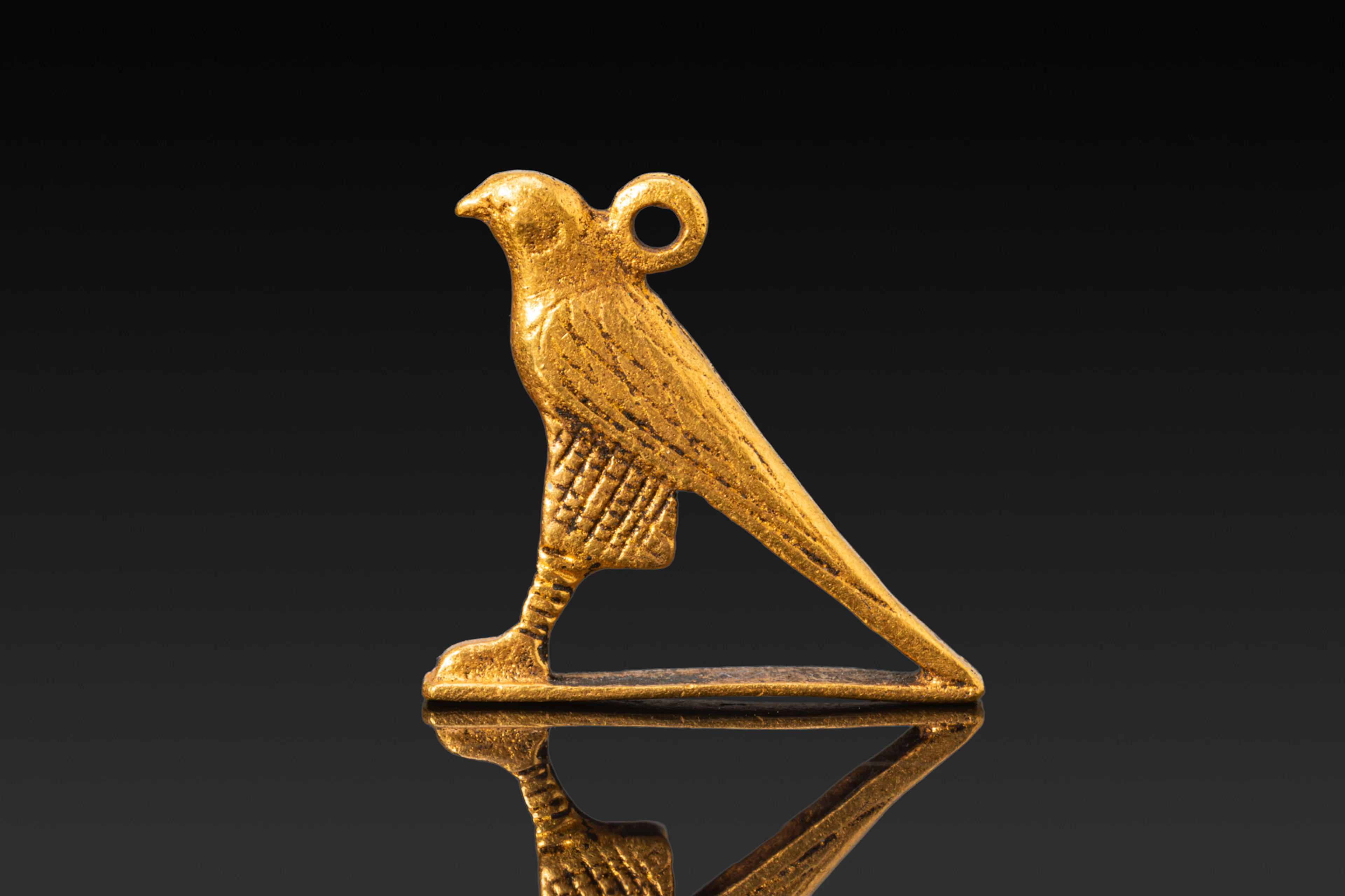
OCT 8 | 3:00 PM
Nå samlare över hela världen med din auktion!
Lista er auktionSEK 3,094.3
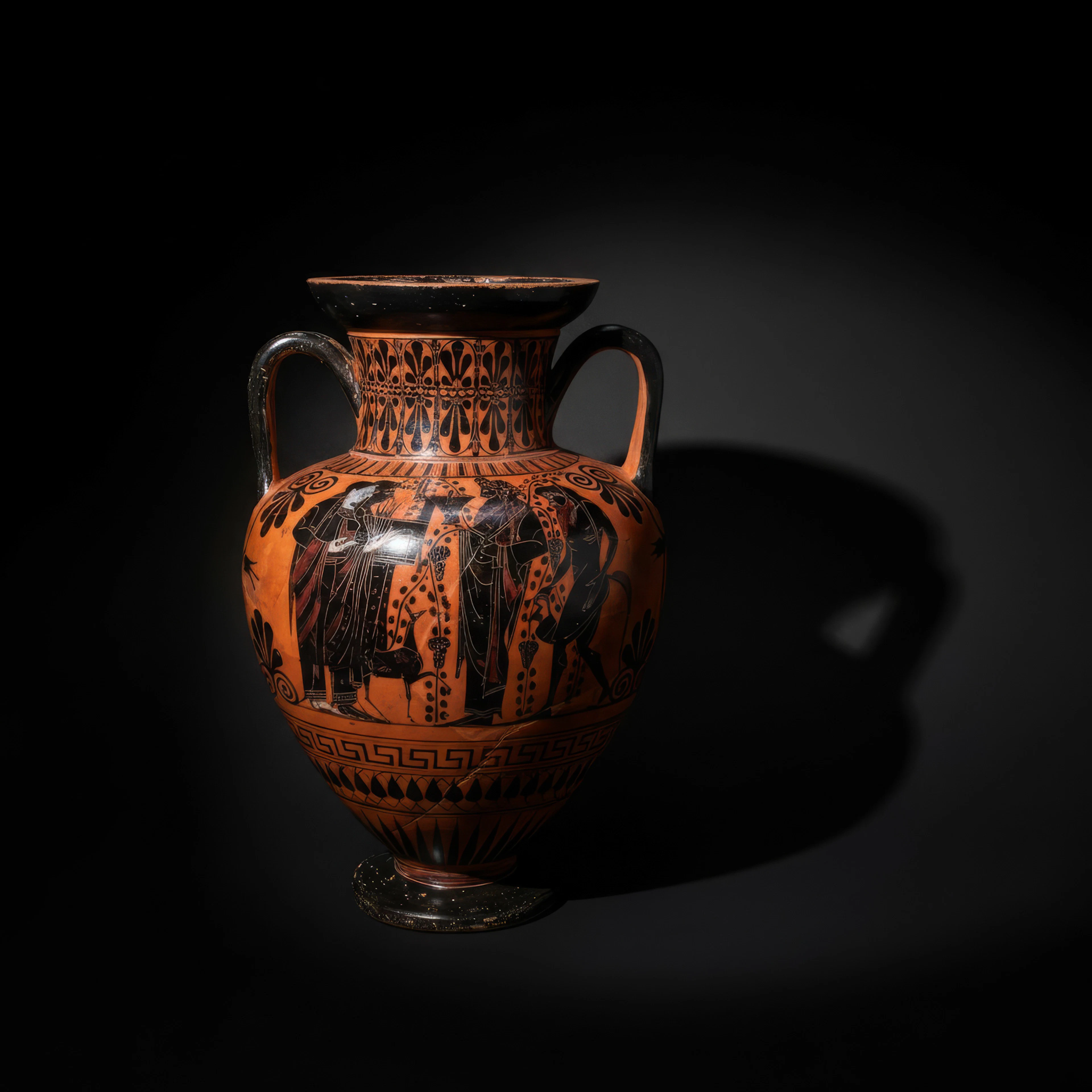
RARE ATTIC BLACK-FIGURE NECK AMPHORA ATTRIBUTED TO THE LYSIPPIDES
06/21/2026

SEK 509,981.44
Uppsk.: SEK 177,500.05
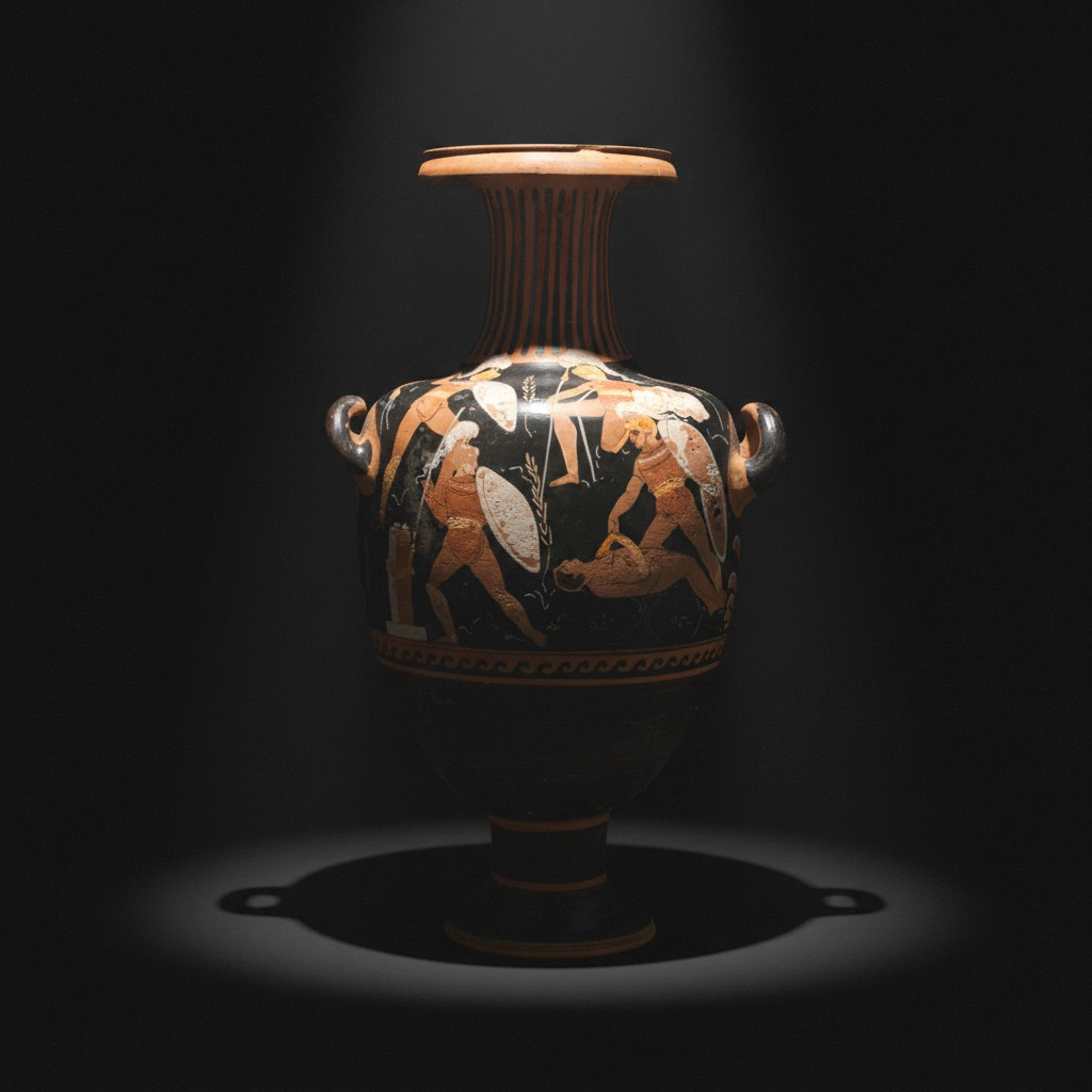
TL TESTED - LARGE GREEK APULIAN RED-FIGURE HYDRIA WITH HOPLITES COMBAT SCENE
06/21/2026
SEK 114,745.82
Uppsk.: SEK 76,071.45