



Alla auktioner / Konst & Grafik / Freixas – École postimpressionniste catalane (XX) - La...

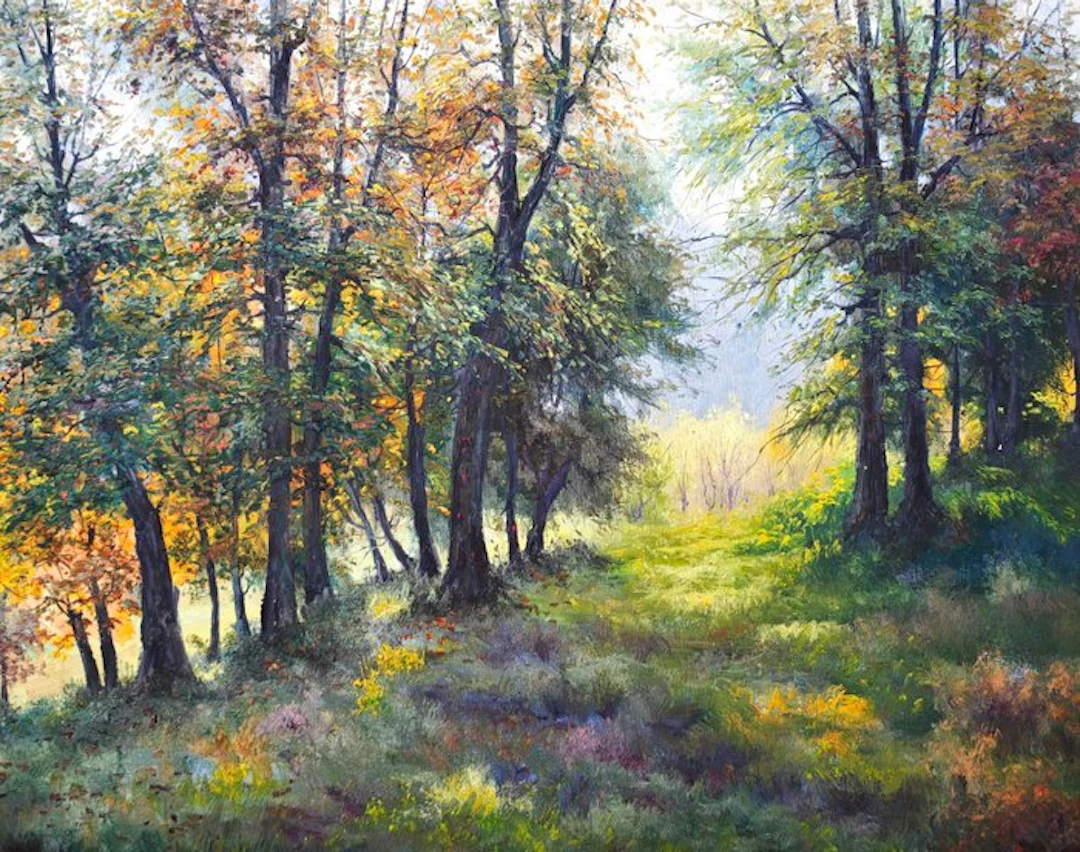
Freixas – Catalan School of the 20th Century – Large-format Forest Landscape – Oil on canvas Magnificent oil painting on canvas of large format, signed Freixas, belonging to the Catalan school of the 20th century, depicting a luminous woodland landscape of great chromatic richness and notable atmospheric sensitivity. The work stands out for its balanced composition, the delicacy in the treatment of light, and a vibrant brushstroke that allows relating it to the Catalan landscape tradition and to the impressionist and post-impressionist currents developed during the 19th and 20th centuries. The scene represents a dense forest in which different groups of trees frame a central clearing bathed in soft, diffuse light. The vegetation presents an extraordinary variety of greens, yellows, ochres, bluish and purplish tones, suggesting a moment of seasonal transition, possibly autumn. Light penetrates between the trees and casts onto the ground, creating a sequence of chromatic contrasts and luminous zones. The composition conveys a deep sense of calm and contemplation, inviting the viewer to visually enter the landscape. The artist shows a special sensitivity for representing nature through a combination of loose brushstrokes, tonal contrasts, and a careful spatial organization. The painting is presented in an elegant ornamental frame of large dimensions, with gilded moldings and dark green color areas, whose classical aesthetics harmonize with the landscape theme. Description of the work The composition represents a forest landscape of great depth, organized by different groups of trees that delimit a central opening. On the left side there is a cluster of trees with dark trunks and lush canopies, whose leaves display a combination of greens, yellows, ochres and orange hues. The vegetation is depicted with a dynamic and fragmented brushstroke, which suggests the vibration of light on the leaves. The trunks rise vertically and establish a compositional rhythm that leads the eye into the interior of the forest. In the central part there are several taller trees, whose branches interlace partially with the masses of vegetation in the background. The right side shows a grouping of trees with robust trunks and dark foliage, contrasting with the brightness of the central clearing. The landscape opens toward a zone of low vegetation illuminated by warm light. This opening constitutes the main visual vanishing point of the composition. The forest floor is covered with grasses, small bushes, and spontaneous vegetation, depicted through an extraordinary variety of brushstrokes and chromatic nuances. In the foreground predominant are deep greens, blues, violets and ochres. As the gaze moves toward the background, the tones become lighter and more luminous. The absence of human figures or buildings gives all prominence to nature. The result is a composition of great harmony, in which the forest appears represented as a space of serenity and contemplation. The tradition of Catalan landscape painting The painting stylistically belongs to the important tradition of Catalan landscape painting, one of the most prominent manifestations of Spanish painting since the 19th century. During this period, numerous Catalan artists began to grant increasing importance to the direct representation of nature. The landscape ceased to play solely a secondary role to become an autonomous genre capable of conveying atmospheric sensations and emotional states. French landscape painting influence, especially the Barbizon School, helped transform the traditional conception of the landscape. Painters began to take an interest in forests, rural paths, fields, and the changing effects of light. In Catalonia, these concerns found a particularly meaningful expression in the Olot School, linked to the depiction of the natural landscapes of the Garrotxa comarca. Artists such as Joaquim Vayreda (1843-1894) and Josep Berga i Boix (1837-1914) played a fundamental role in the development of this tradition. Their paintings gave special importance to atmosphere, vegetation, and the poetic interpretation of nature. During the 20th century, numerous Catalan painters continued developing these investigations, incorporating the contributions of Impressionism and Post-Impressionism. The present work participates in this tradition through a forest representation based on the observation of nature, the study of light, and chromatic richness. Affinities with the Olot School The composition shows certain affinities with the landscape sensibility developed by the Olot School. This artistic current was characterized by a particular attention to forest landscapes, meadows, rural paths, and atmospheric effects. Painters linked to this tradition developed a vision of nature in which the landscape acquired an emotional and contemplative dimension. In the present painting, the forest appears as a space of contemplation. The arrangement of the trees, the luminous opening in the background, and the delicacy of the atmospheric treatment recall some of the characteristic approaches of Catalan landscape painting. The composition avoids secondary narrative elements and concentrates attention on the relationship between vegetation and light. The depth of the forest is built through the layering of different vegetal planes. The light in the background introduces a sense of calm and breadth. These characteristics allow establishing a stylistic relationship with the Olot tradition, without necessarily implying that the work represents a place in that region or that its author formally belonged to that school. Impressionist influences The work shows evident impressionist sensibility, especially perceptible in the treatment of light and in the representation of vegetation. Impressionism deeply transformed landscape painting by prioritizing visual perception and the changing effects of illumination. Artists such as Claude Monet, Camille Pissarro, and Alfred Sisley developed painting based on the observation of nature and the use of loose, fragmentary brushstrokes. In the present work, vegetation is built with small brushstrokes of various tones suggesting the movement of leaves and the vibration of light. The artist avoids meticulously defining each vegetal element. Instead, he uses groupings of brushstrokes that, viewed from a distance, build the impression of a dense forest. Yellows, greens, and ochres are distributed through contrasts that suggest the effects of light filtered through the branches. The atmosphere takes on special importance. The depth of the landscape does not depend solely on perspective, but also on chromatic variations and the gradual loss of definition of background elements. These features allow relating the work to the Impressionist tradition of landscape. Post-Impressionist influences Alongside its Impressionist sensibility, the painting presents certain elements related to Post-Impressionism. During the last decades of the 19th century and the early 20th, many artists developed new interpretations of the landscape based on a more expressive use of color and greater freedom of execution. Color stopped depending exclusively on naturalistic observation to acquire an emotional and compositional function. In the present work, this tendency is especially manifested in the treatment of the forest floor. Greens combine with blues, violets, and pinkish tones, creating a surface of extraordinary chromatic richness. Shadows are not represented solely by browns or blacks, but by cool colors that contrast with the illuminated yellows and ochres. The vegetation thus acquires expressive intensity that goes beyond mere botanical description. The brushwork also shows considerable freedom. The artist uses short strokes and chromatic overlays to build the different masses of vegetation. The result is an interpretation of the landscape in which naturalistic observation coexists with a modern chromatic sensibility. Light as protagonist One of the most notable aspects of the painting is the treatment of light. The composition revolves around a luminous opening in the forest background. This area constitutes the main visual attraction center. Light seems to penetrate between the treetops and extend over the ground vegetation. The dark trunks and vegetation masses on either side act as natural framing elements. This contrast serves to intensify the brightness of the central space. The artist uses a wide range of yellows, light greens, and warm tones to depict the illuminated areas. In the shaded areas, deep greens, blues, and violets predominate. The alternation between light and shadow creates a sense of depth and dynamism. The illumination is not rendered theatrically but through soft transitions that suggest a natural atmosphere. The composition conveys the feeling of a calm moment, in which light quietly transforms the landscape. The treatment of color The color palette is one of the main attractions of the work. Emerald greens, olive greens, yellows, ochres, blues, violets, and orange tones predominate. The vegetation on the left side shows a notable variety of yellows and ochres that contrast with the dark trunks. In the central area, deep greens combine with small touches of light. The right side presents cooler tones, with bluish greens and violet shadows. The foreground stands out for the richness of its chromatic nuances. The grasses and small bushes are depicted through brushstrokes of greens, blues, violets, and ochres. These combinations allow suggesting variations of light on the vegetation. In the background, the colors progressively lighten until reaching a luminous yellow-green area. The overall harmony is built through the balance between warm and cool colors. The result is a painting of great visual richness and atmospheric sensitivity. Brushwork and painting matter The execution features loose, dynamic, and expressive brushwork. The artist uses different types of strokes depending on the elements represented. In the tree canopies, short and fragmented brushstrokes prevail. These allow suggesting the multiplicity of leaves and the light reflections on the vegetation. The trunks are built with vertical, more defined strokes, reinforcing their structure. In the forest floor, the brushwork obtains greater freedom. The grasses and shrubs appear suggested by small chromatic patches and strokes of different directions. This variety of procedures contributes to giving the composition movement and vitality. The painting presents a visually rich surface, in which color overlays play a fundamental role. The artist prioritizes the overall impression of the landscape, without losing the structural coherence of the composition. The composition and spatial depth The work presents a horizontally oriented composition of great balance. The trees on either side delimit a central space opening toward the background. This organization creates a structure similar to a natural corridor. The viewer's gaze enters the scene through the foreground and advances progressively toward the illuminated clearing. The vertical trunks establish a visual rhythm that contrasts with the irregular shapes of the vegetation. The overlapping canopies and branches reinforce the sense of depth. The artist also uses atmospheric perspective. Nearby elements display more intense and contrasted colors, while the forms in the background gradually soften. Light helps organize the different spatial planes. The result is an enveloping landscape, in which the viewer seems to stand at the entrance to a forest. The representation of nature Nature constitutes the exclusive subject of the composition. There are no characters, animals, or buildings that would introduce a concrete narrative. This absence of anecdotal elements allows full attention to be focused on the beauty of the landscape. The forest appears represented as a living space, characterized by the diversity of shapes and tonalities. The vegetation develops in an apparently spontaneous manner. The trees have trunks of different thicknesses and irregular canopies. The ground is covered with grasses and small shrubs. Light continuously transforms the perception of natural elements. The artist manages to convey a sense of tranquility and harmony, in which the landscape takes on a contemplative dimension. This sensitivity is especially characteristic of the Catalan landscape tradition. Autumn atmosphere The presence of yellow, ochre, and orange tones among the vegetation allows interpreting the scene as a transitional seasonal landscape. The trees retain abundant green foliage, but some areas show warm colors characteristic of autumn. This chromatic combination introduces a special visual richness. The contrast between deep greens and bright yellows reinforces the sense of light filtered between the leaves. The landscape conveys a serene and slightly melancholic atmosphere. The representation of autumn has held a prominent place in European landscape painting, due to the variety of its chromatic effects and its ability to evoke the passage of time. In this work, the season is suggested through color, without the need for additional narrative elements. Signature The painting is signed “Freixas” in the lower right corner, with a reddish inscription. The signature is visible in the photograph. The artist is identified under the indicated name, without establishing a concrete biographical correspondence that could not be documented. Frame and presentation The work is presented in an ornamental frame of large dimensions, with a combination of gilded moldings and surfaces in dark green. The exterior molding features a classic decoration of vegetal motifs and an aged golden finish. Inside there is a green band that provides an elegant contrast with the warm tones of the frame. The painting is bounded by an inner frame of light tone with gilded profiles. The combination of these elements provides a presentation of notable decorative presence. The frame harmonizes especially well with the vegetation depicted in the painting, while the gilded profiles highlight the warm tones of the landscape. The frame is offered as a gift to the buyer, with no commercial value, and is not part of the painting’s monetary valuation. Prospective observers are advised to examine photographs carefully to assess the condition of the artwork and the framing. Condition The work is framed. The condition and the visible characteristics of the whole can be seen in the photographs provided, which form an integral part of the description. Artistic and collecting interest The painting is an attractive example of 20th-century Catalan landscape painting, with important stylistic affinities with the Impressionist and Post-Impressionist currents. Its main interest lies in the composition, the chromatic richness, and the sensitivity with which the effects of light on the vegetation are represented. The organization of the forest, the opening in the background, and the variety of chromatic nuances allow relating it to the tradition of Catalan landscape painting and to certain approaches of the Olot School. The loose brushwork and expressive use of color reinforce its modern character. The work also stands out for its large format, its notable decorative presence, and its elegant framing. It is especially appealing to collectors of Catalan landscape painting, Impressionism, Post-Impressionism, the Olot School, and Spanish 20th-century painting. Characteristics of the work Author: Freixas. School: Catalan. Era: 20th century. Technique: Oil on canvas. Theme: Forest landscape. Genre: Landscape. Style: Landscape painting in the Impressionist and Post-Impressionist tradition. Stylistic influences: Catalan landscape painting, Olot School, and European Impressionism. Signature: Signed “Freixas” in the lower right corner. Format: Large format, horizontal composition. Presentation: Framed. Shipping The work will be carefully and professionally packaged, using protective materials suitable to guarantee its safety during transport. Special attention will be paid to protecting the corners, the painted surface, and the frame during packaging. Shipments outside the European Union may be subject to taxes, duties, import fees, clearance charges, and customs formalities. Any such charges will be the sole responsibility of the buyer and are not included in the hammer price or shipping costs. Likewise, shipments to islands, insular territories, or remote or hard-to-access areas by transport companies may incur additional costs. Any surcharge applied by the transport company for this reason must be borne by the buyer. Pre-consultation of customs conditions and possible transportation surcharges applicable to the destination is advised.
Utropspris:SEK 4,450.37
Till auktionenVisa alla föremål frånCatawikiellerKonst & Grafik
Utropspris:
SEK 4,450.37
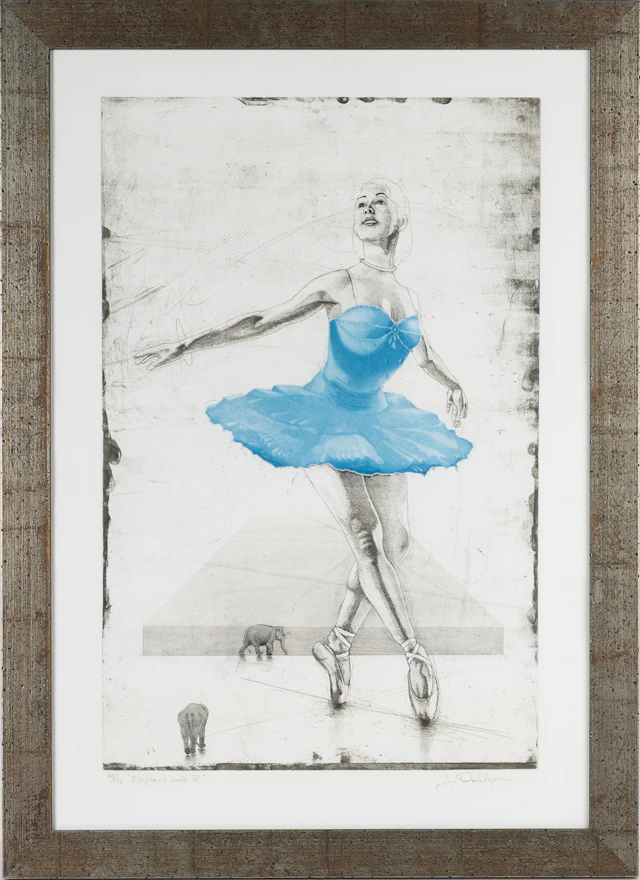
JAN DAHLGREN (FÖDD 1954). "Elephant walk III", etsning.
10/23/2026
SEK 300
Uppsk.: SEK 1,000
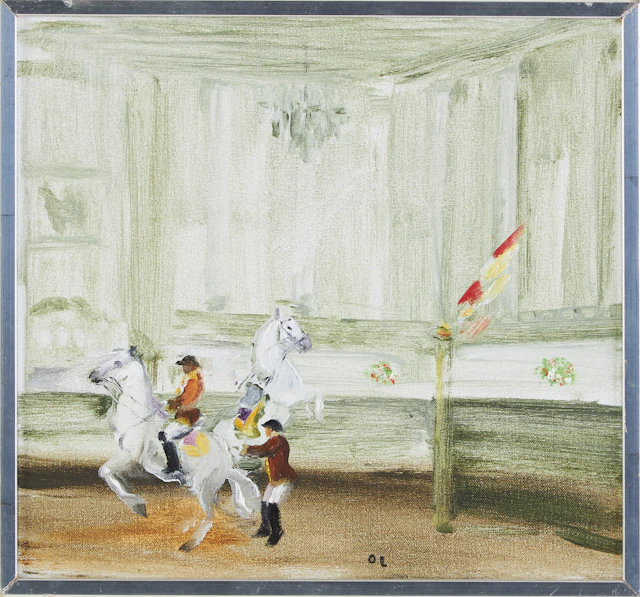
OLLE LINDGREN (FÖDD 1930). "Detroit" och interiör med hästar, (2 )
10/23/2026
SEK 1,000
Uppsk.: SEK 2,000

SERRA. BOL EN CERÁMICA CON MOTIVO GEOMÉTRICO.
10/23/2026
SEK 333.77
Uppsk.: SEK 668.32
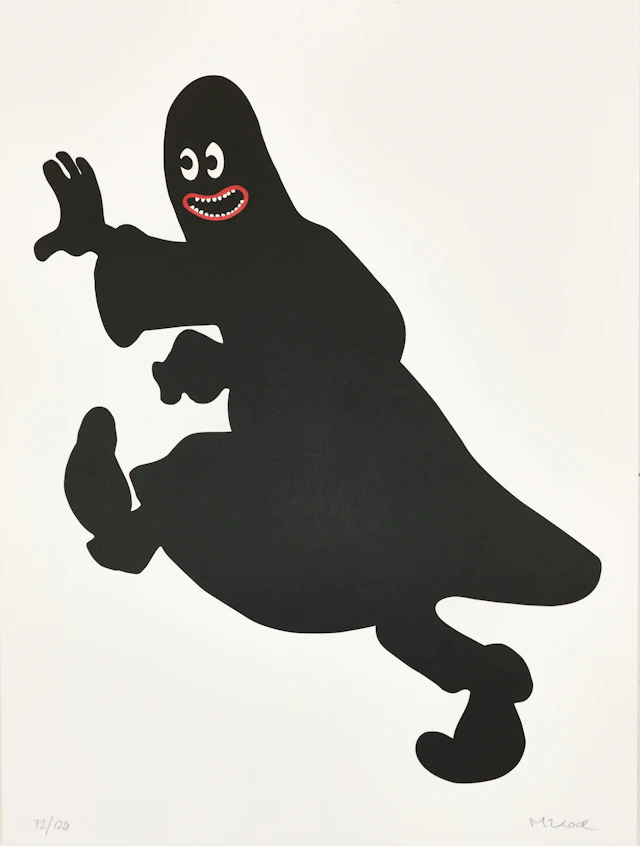
MAKODE LINDE (Sverige, född 1981). "Phantom Blot", signerad och numrerad
10/23/2026
SEK 1,461
Uppsk.: SEK 2,500
Nå samlare över hela världen med din auktion!
Lista er auktionGenom att prenumerera godkänner du integritetspolicyn. Avprenumerera när som helst.
Barnebys HQ
Brahegatan 10
BOX 5038
114 37 Stockholm
