
Alla auktioner / Etnografica / Impressive Hyolitha – soft parts preserved!!!...

Impressive Hyolitha – soft parts preserved!!!...
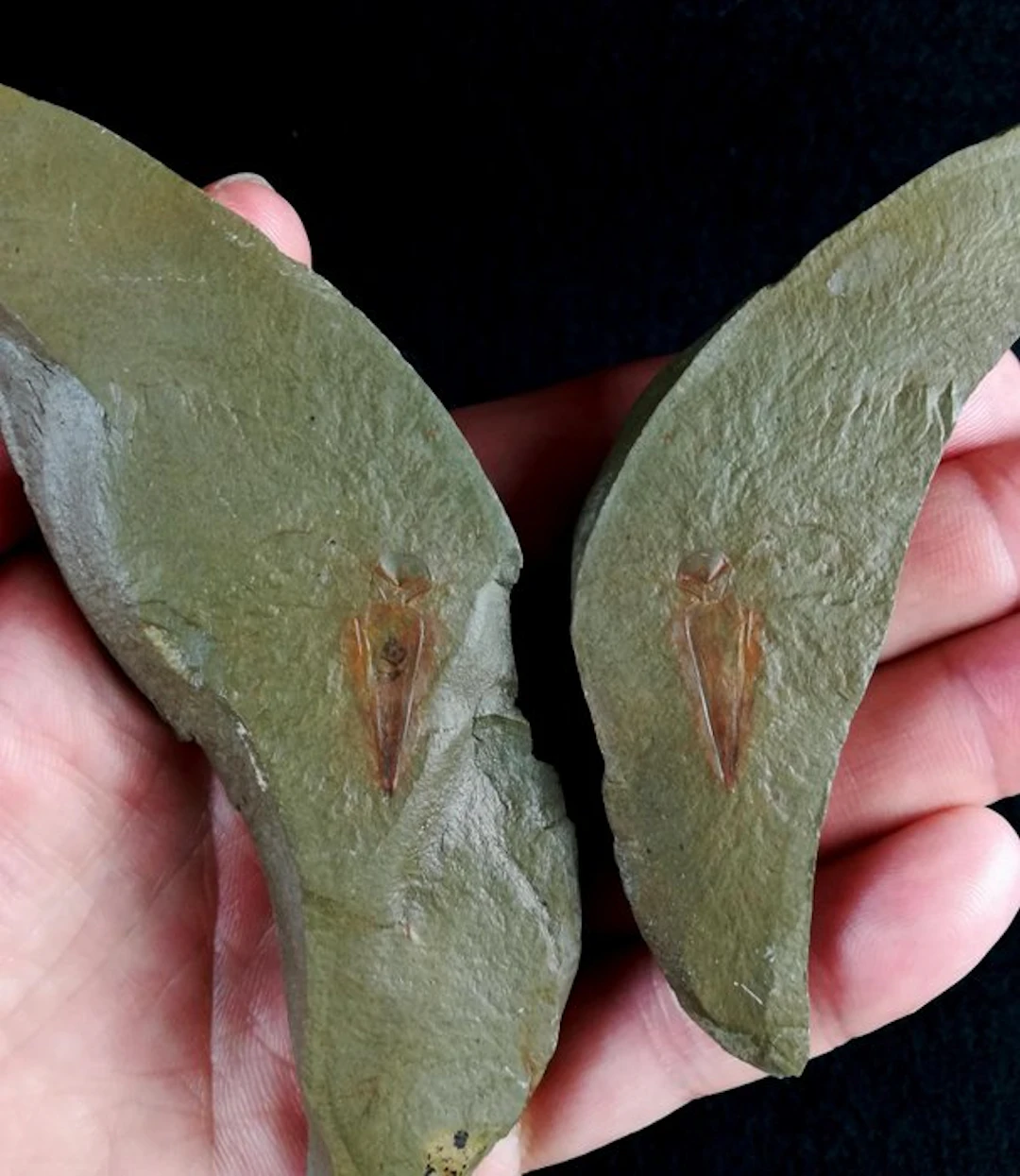
Spectacular slab with a complete specimen of Pauxillites thaddei, a primitive and enigmatic hyolith (Hyolitha) that lived during the Ordovician. The specimen is perfectly preserved. The slabs contain 1 complete specimen. There is a slab and a counter-slab. Specimens with this level of preservation are extremely rare. The contrast between the fossils and the matrix is spectacular. The extraordinary preservation of the fossils allows observing in meticulous detail the delicate structures of Pauxillites. The preparation of the specimens has been extremely laborious, since the fossils are extremely delicate. A museum-worthy specimen. The specimen presents the helcium: two small curved appendages or skeletal pieces situated at the sides of the operculum that probably helped the animal to rest or stabilize itself on the seafloor. Hyolites (Hyolitha) are a class of small lophophorate animals with conical shells that lived during the Paleozoic era. Their fossils range from the Early Cambrian to the end of the Permian. Their calcareous shells, probably aragonitic, are conical, with triangular or semicircular cross-sections and normally flattened in the ventral area. They possessed a cover or operculum, normally articulated. The taxonomic position of hyoliths has long been uncertain, until in 2017 their inclusion in Lophophorata was determined, a group that includes brachiopods and bryozoans thanks to the study of specimens that preserve impressions of soft tissues. The Pauxillites animal was solitary, epibenthic semi-sessile, i.e., living on the seabed substrate with very limited mobility, and were suspension feeders, feeding on suspended particles in the water that they trapped with the tentacles of the lophophore. Length of Pauxillites: 23 mm Plate 1: 78 g; 12 x 4 x 1.5 cm Plate 2: 42 g; 9 x 3 x 1 cm Plastic stands included. The Fezouata Formation outcrops, near the Moroccan city of Zagora, are providing a rich and varied fossil record with extraordinary preservation, to the point that soft parts or soft-bodied animals are recorded with some frequency. This type of preservation is similar, though later in time, to that of the famous Burgess Shale (Canada). These are fossils dating between about 480 and 472 million years ago. Back then Morocco was an ocean and was located near the South Pole.
Utropspris:SEK 1,800.32
Till auktionenVisa alla föremål frånCatawikiellerEtnografica
Utropspris:
SEK 1,800.32
Liknande föremål

Auktionsresultat för liknande föremål

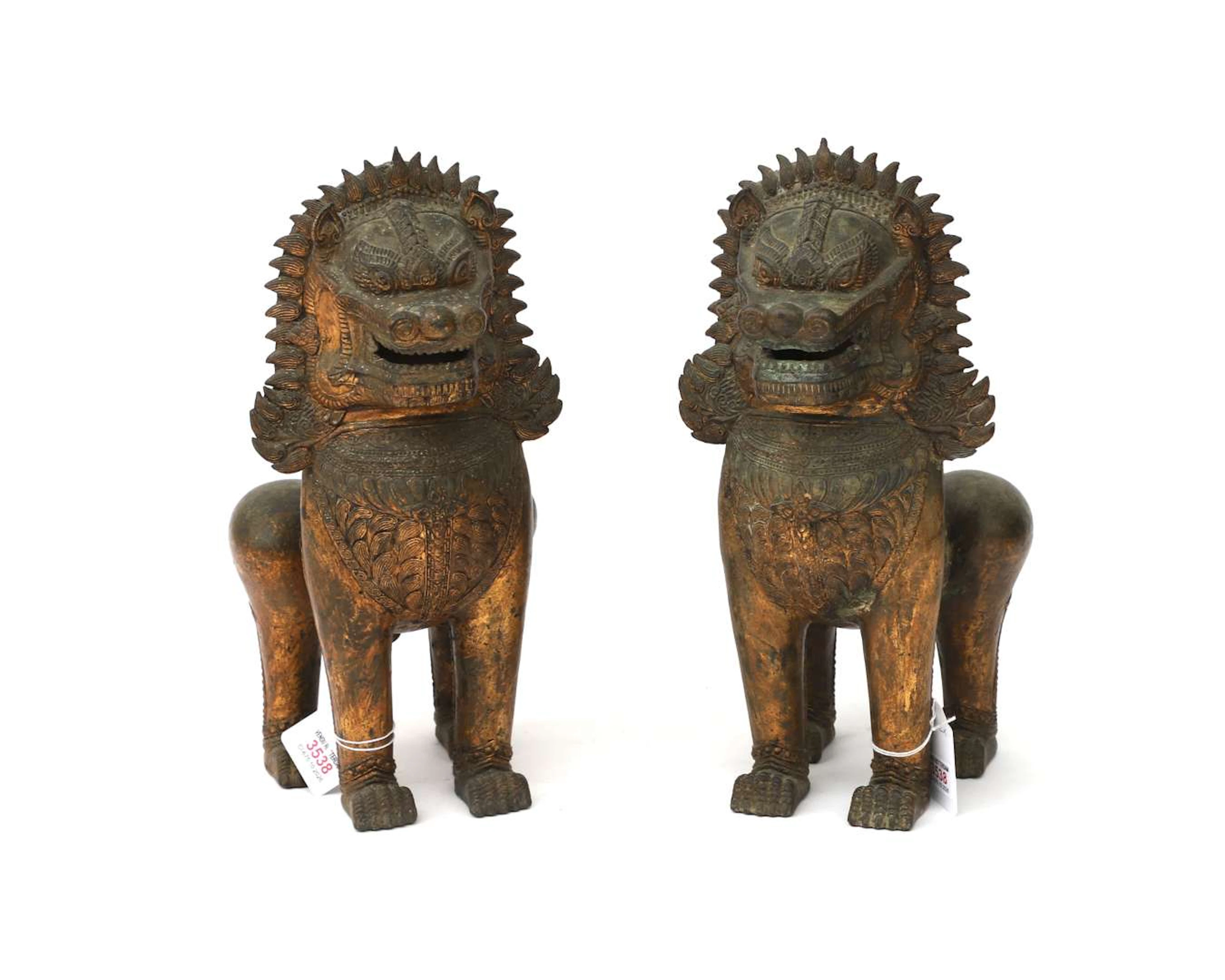
Two gilded bronze Singha temple lions, Thailand, first half of the 20th century
10/07/2026

SEK 2,459.11
Uppsk.: SEK 2,267.49
Nå samlare över hela världen med din auktion!
Lista er auktion