
Alla auktioner / Etnografica / Impressive Ice Age Steppe Bison Subfossil Foot from...

Impressive Ice Age Steppe Bison Subfossil Foot from...
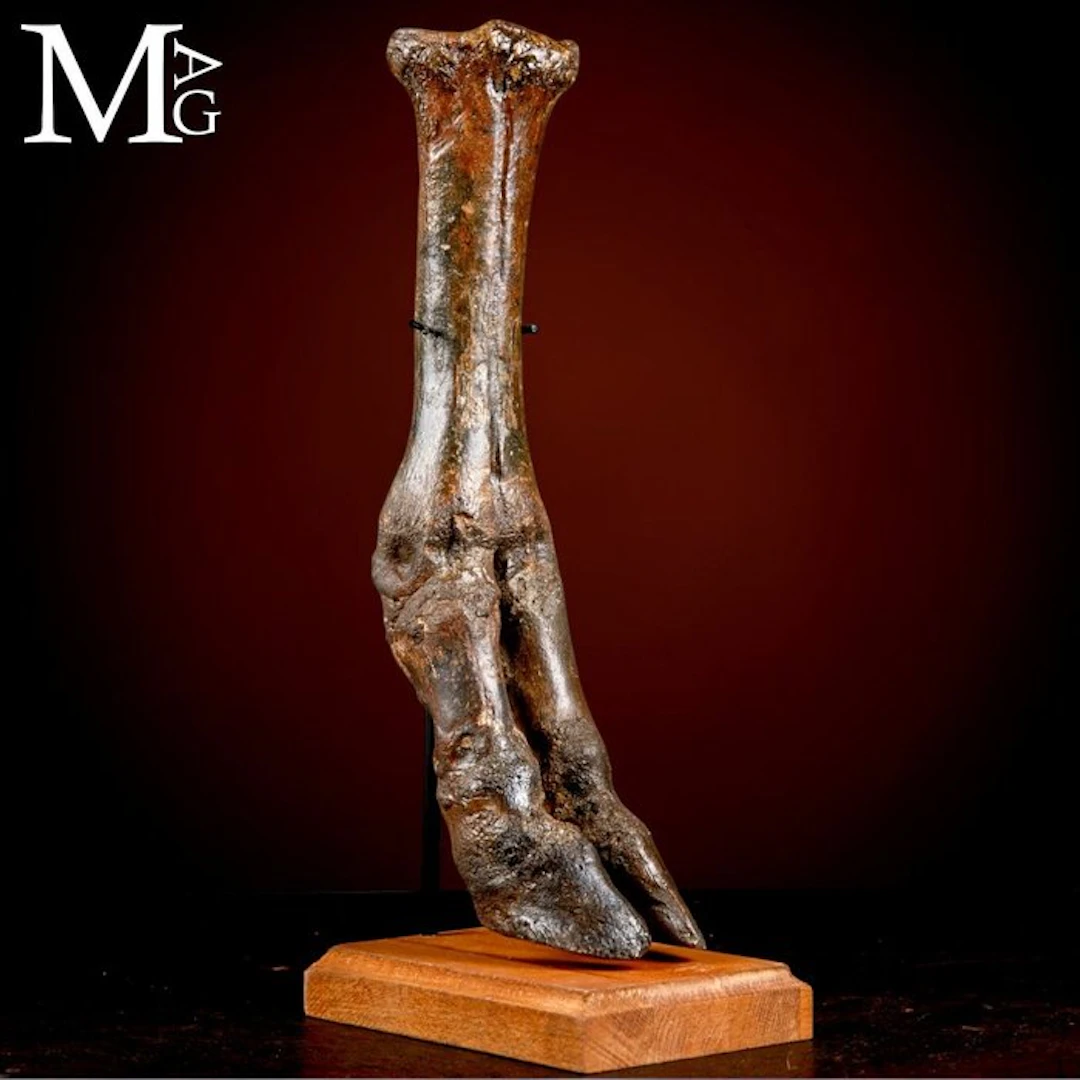
Bison priscus - Pleistocene, ca. 100,000 years ago — This lot presents an exceptional paleontological specimen: a distal portion of a limb, or paw, belonging to a Steppe Bison (*Bison priscus*). The specimen, in a remarkable state of preservation, comes from the waters of the North Sea, a tangible testimony to the ancient sunken continent of Doggerland. Elegantly mounted on a turned wooden base with a metal support, this fossil is not only a scientific specimen but a true natural sculpture, ready to be displayed and admired. Direct observation of the find reveals an anatomically surprisingly legible structure. The long bone, a metatarsal or metacarpal, shows a robust form that ends by branching into the phalanges that once supported the animal's massive hoof. The surface is a palimpsest of its long history: it is not smoothed, but rich with organic texture, porosity and irregularities that tell the fossilization process. The coloration is the result of millennia of residence in marine sediments; a dark and deep patina, with shades ranging from deep brown to black, lends the piece an aura of antiquity and mystery. The provenance of this fossil is as fascinating as the specimen itself. During the glacial periods of the Pleistocene, sea level was much lower, and a vast plain, known today as Doggerland, connected the British Isles to continental Europe. This area was an immense steppe-tundra, an ecosystem rich in megafauna, including woolly mammoths, rhinoceroses, giant deer and, naturally, imposing herds of bison. With the end of the last glaciation and rising seas, Doggerland was submerged, and its secrets sealed beneath the waves. Today, finds like this are occasionally brought to light by fishing nets, fragments of a lost world that reemerge in the present. *Bison priscus* is one of the most iconic species of the Ice Age. Larger and with longer horns than its modern descendant, this bovid was perfectly adapted to the cold climate and the open spaces of the Eurasian steppes. For hundreds of thousands of years it was a key element of this ecosystem, until its extinction, about 10,000 years ago, due to drastic climatic changes and the transformation of its habitat. Owning a remains means guarding the testimony of a majestic creature that dominated a Europe now unrecognizable. Presented on a customized base that enhances its verticality and sculptural form, this find becomes an extraordinary collectible and a striking piece of furniture. It is an ideal item for a Cabinet of Curiosities, a professional study, a library or a gallery, capable of sparking conversation and imagination. It represents a direct bridge to prehistory, an authentic fragment of our continent's natural history. Technical details Name: *Zampa di Bison priscus* Classification: Mammalia, Bovidae Geological period: Late Pleistocene Approximate age: About 40,000 – 100,000 years Origin: North Sea, Europe (paleogeographic area of Doggerland) Dimensions: 360 x 80 x 125 mm Weight: 1336 g Base: Wooden base and metal support included Condition: Natural subfossil specimen, no restorations. The patina and surface irregularities are authentic features due to the fossilization process.
Utropspris:SEK 5,040.52
Till auktionenVisa alla föremål frånCatawikiellerEtnografica
Utropspris:
SEK 5,040.52
Liknande föremål

Slutpriser för liknande föremål

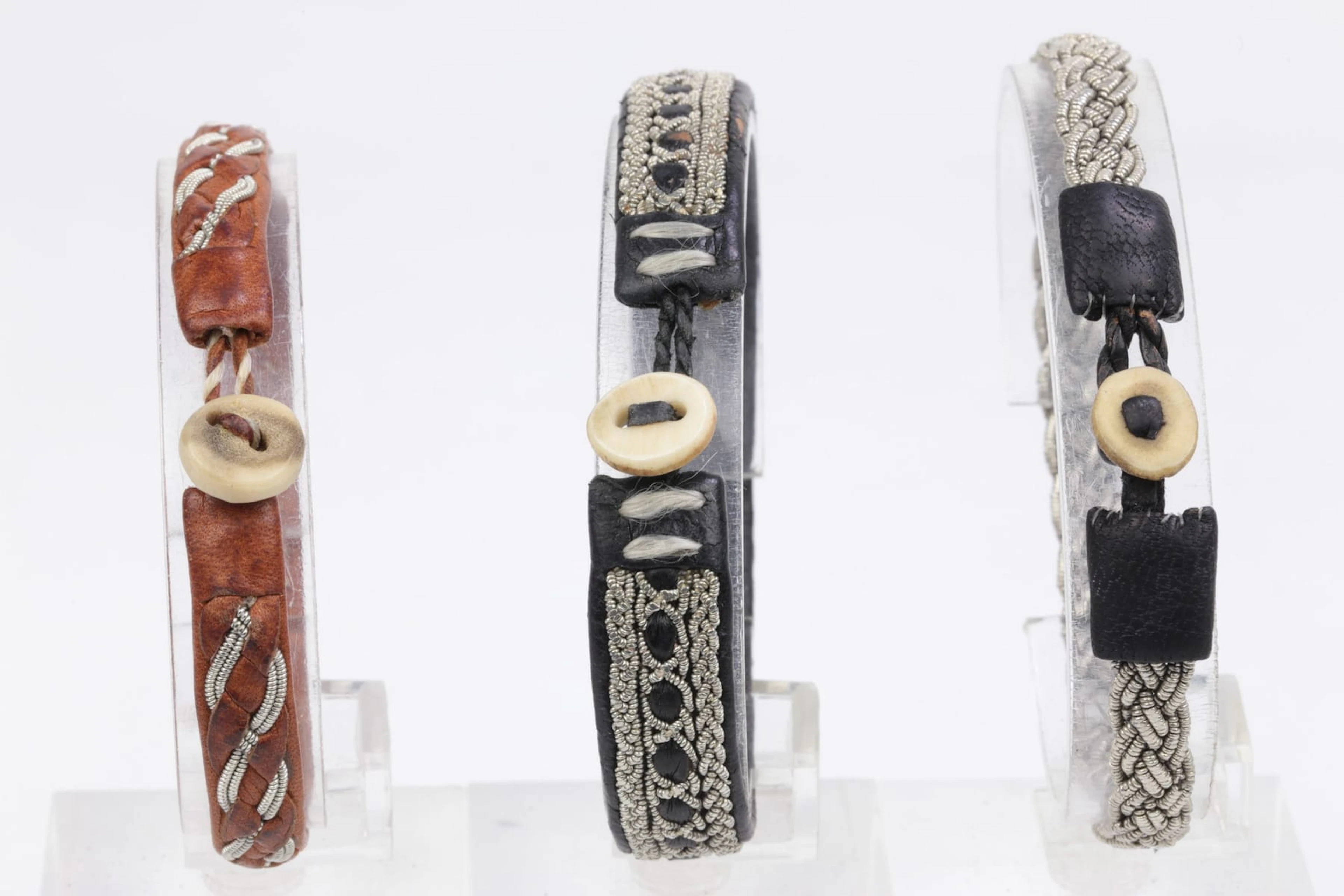
ARMBAND, 3 st, samehantverk, skinn med dekor av tennbrodyr och knapp i ben
10/11/2026

SEK 600
Uppsk.: SEK 400
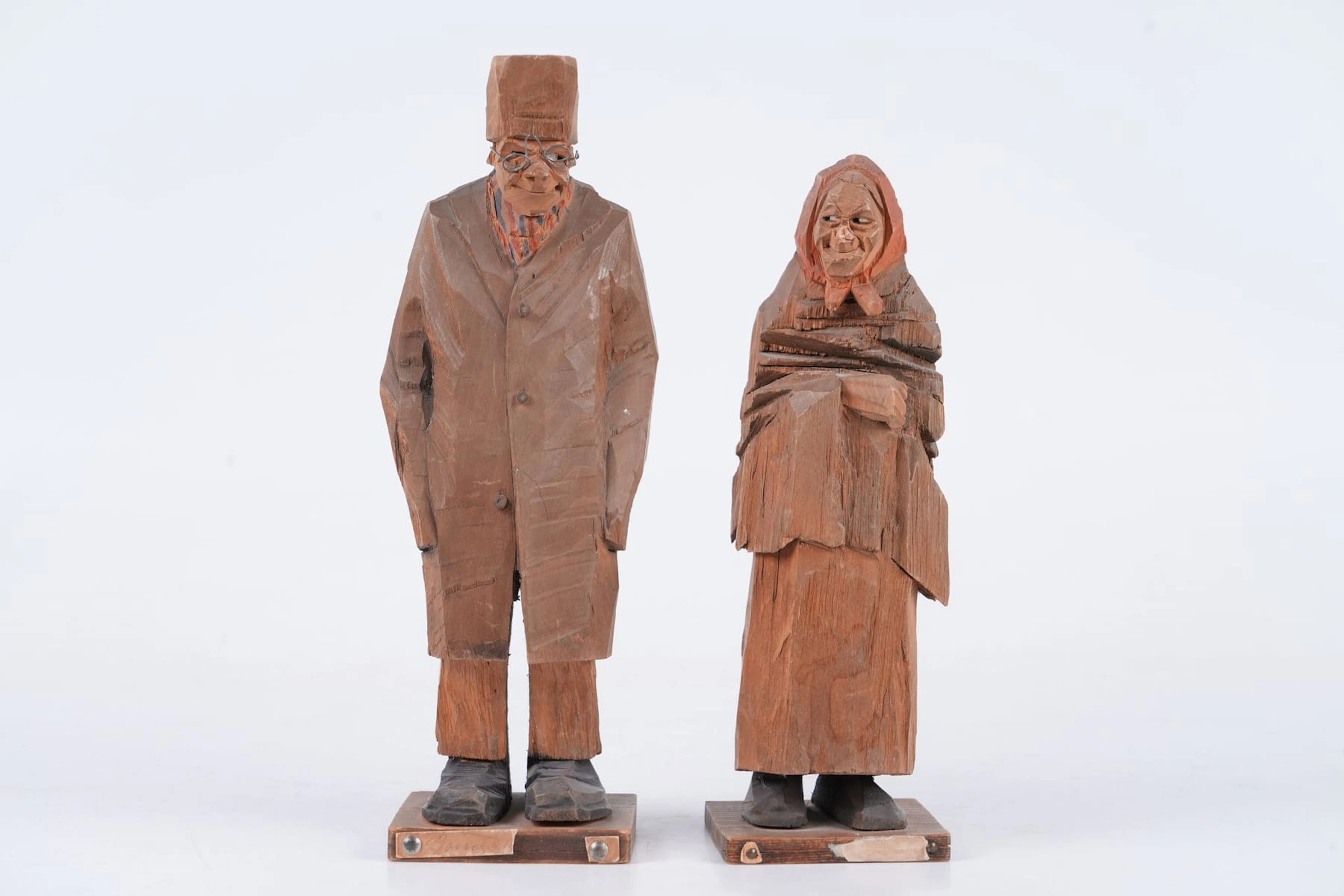
CARL JOHAN TRYGG (1887-1954), figuriner, 2 st, skuret trä, 1919
10/11/2026
SEK 200
Uppsk.: SEK 600
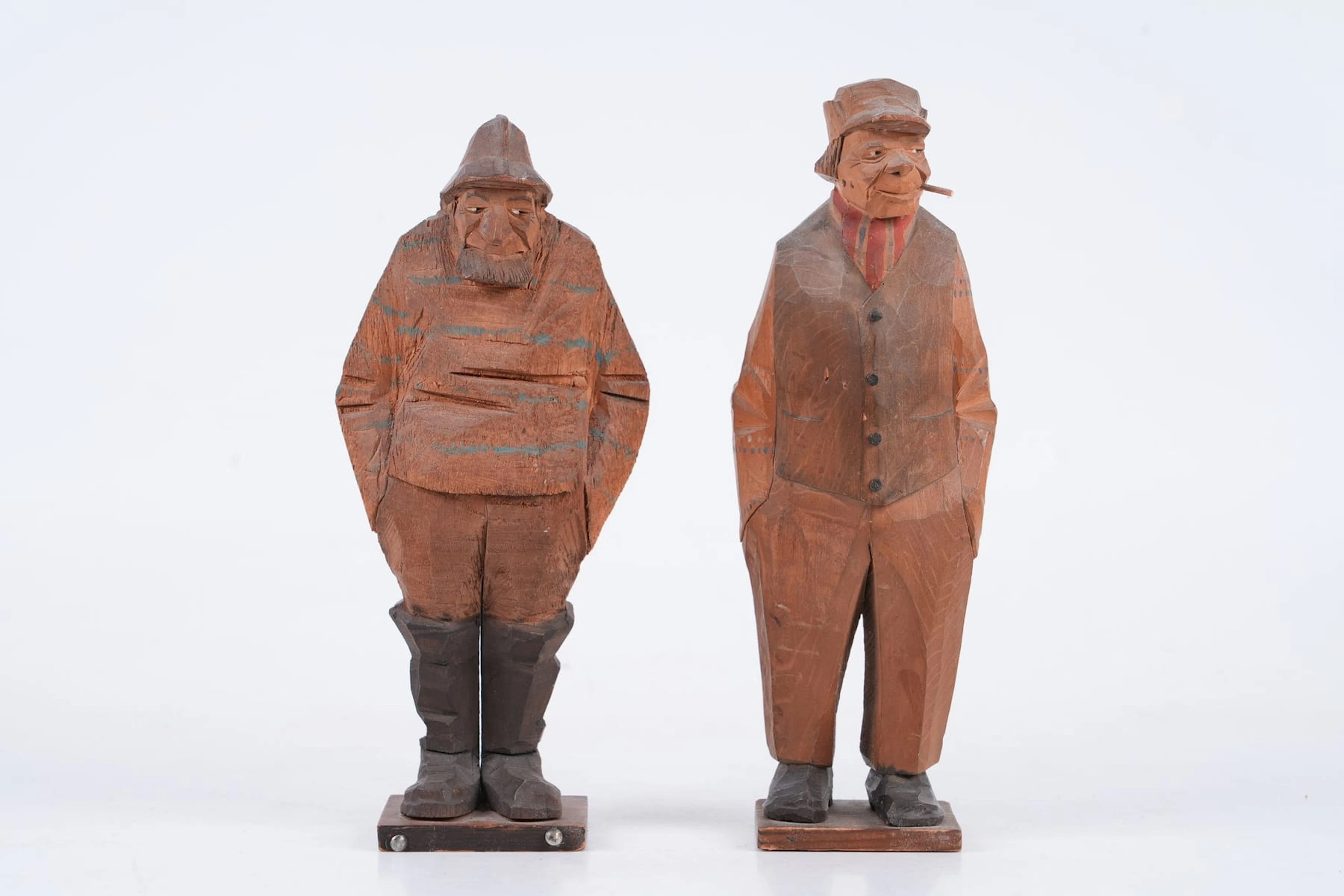
CARL JOHAN TRYGG (1887-1954), figuriner, 2 st, skuret trä, 1918 samt 1923
10/11/2026
SEK 300
Uppsk.: SEK 600
Nå samlare över hela världen med din auktion!
Lista er auktion