



Alla auktioner / Konst & Grafik / Italian school (XVII) - l’Uomo dei dolori e un angelo con...

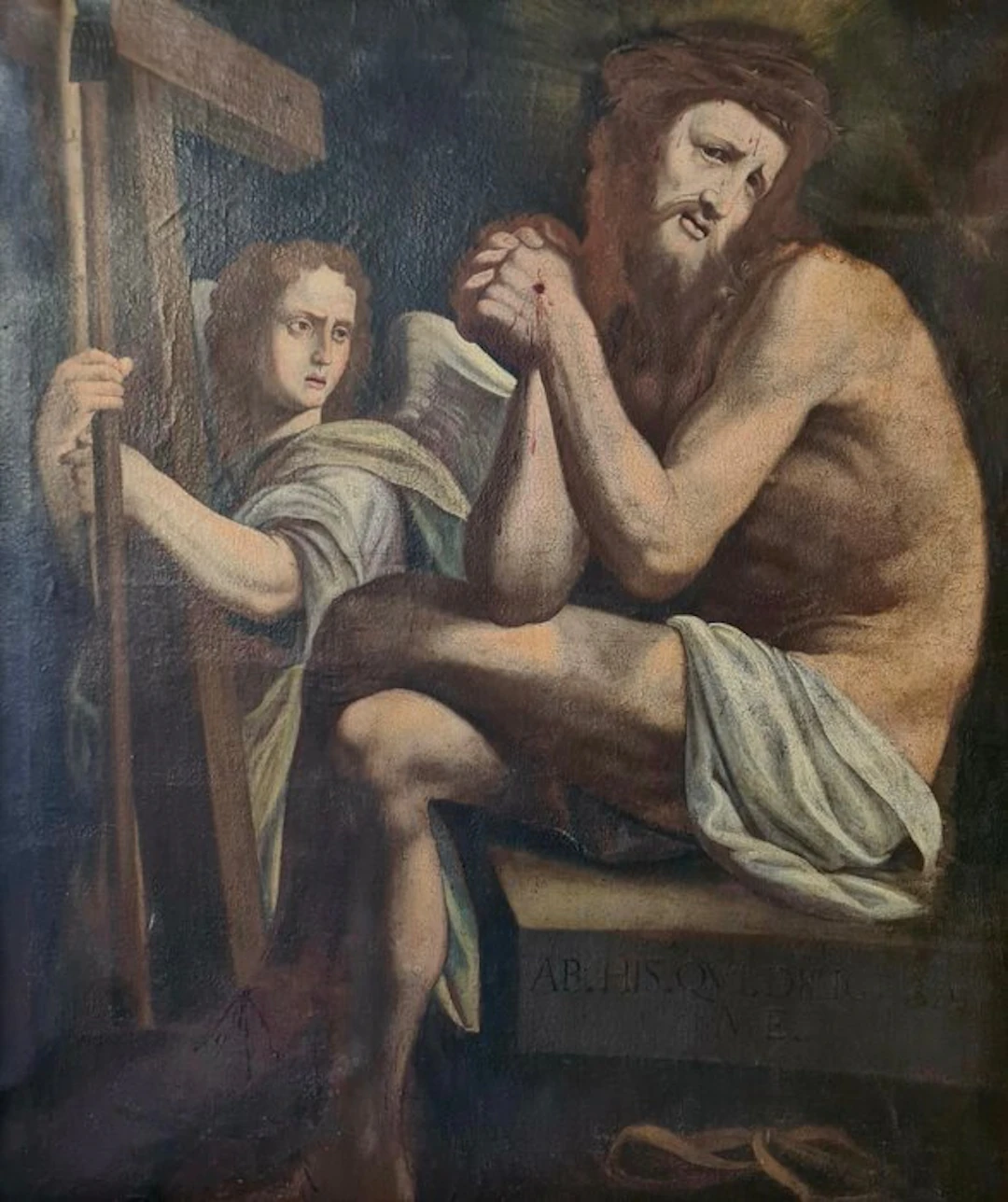
Pietro Maria Bagnatore (1548-1627), a follower of The work is steeped in a very intense pathos through which the author aimed to stimulate the compassion of the faithful with images that conformed to the dictates imposed by Cardinal Paleotti on the decorum of altarpieces and paintings in full Counter-Reformation. In accurately describing the painting, we notice mainly two sacred figures: on the right, the suffering Christ, with the bleeding wounds on his hands and feet, who adopts a posture like a classical statue and is shown with crossed legs and a gaze directed toward the observer, seated on the tomb where, on the exterior side in the foreground, there appears a Latin inscription reading: AB. HIS. QUI. DILIGEBANT. ME.; on the left, the angel with the instruments of the Passion. The pathetic figure of the wounded Christ, who enumerates all the torments he endured and the wounds he received, is the iconographic transposition drawn from the accounts of the Passion contained in the canonical gospels, which can be considered a visual summary and even presupposes a didactic and mnemonic purpose; Jesus wears the perizonium (linteus), called Santo Panno, worn by Our Lord during the Crucifixion, an intimate garment described in the apocryphal Gospel of Nicodemus. The angel, dressed in a green mantle over a white tunic, supports the Cross of Golgotha: it is striking that this angelic figure—and if we compare it with the image of Christ with the more precise and detailed anatomical rendering—shows instead a simpler, more compact workmanship, discernible especially in the face and in the arms that hold the cross. From a coloristic and chiaroscural viewpoint, the figures stand out in the foreground through muted yet clear colors and are modeled with a soft chiaroscuro, while a thin beam of light coming from the right defines the contours of the figures. The other instruments of Christ’s Passion, such as the nails, the crown of thorns, the spear and the sponge, and the scourges, fall squarely, from an iconographic point of view, into the canonical representation of the Man of Sorrows, which would achieve considerable success in Renaissance art. The sculptural prominence of Christ on the tomb derives from the manner of the most important Renaissance artist, namely Michelangelo Buonarroti, whose works were studied carefully by Bagnatore during his stay in Rome in 1566 to deepen his knowledge of drawing and architecture under the directions of Alfonso Gonzaga of Novellara.
Utropspris:SEK 27,846.83
Till auktionenVisa alla föremål frånCatawikiellerKonst & Grafik
Utropspris:
SEK 27,846.83
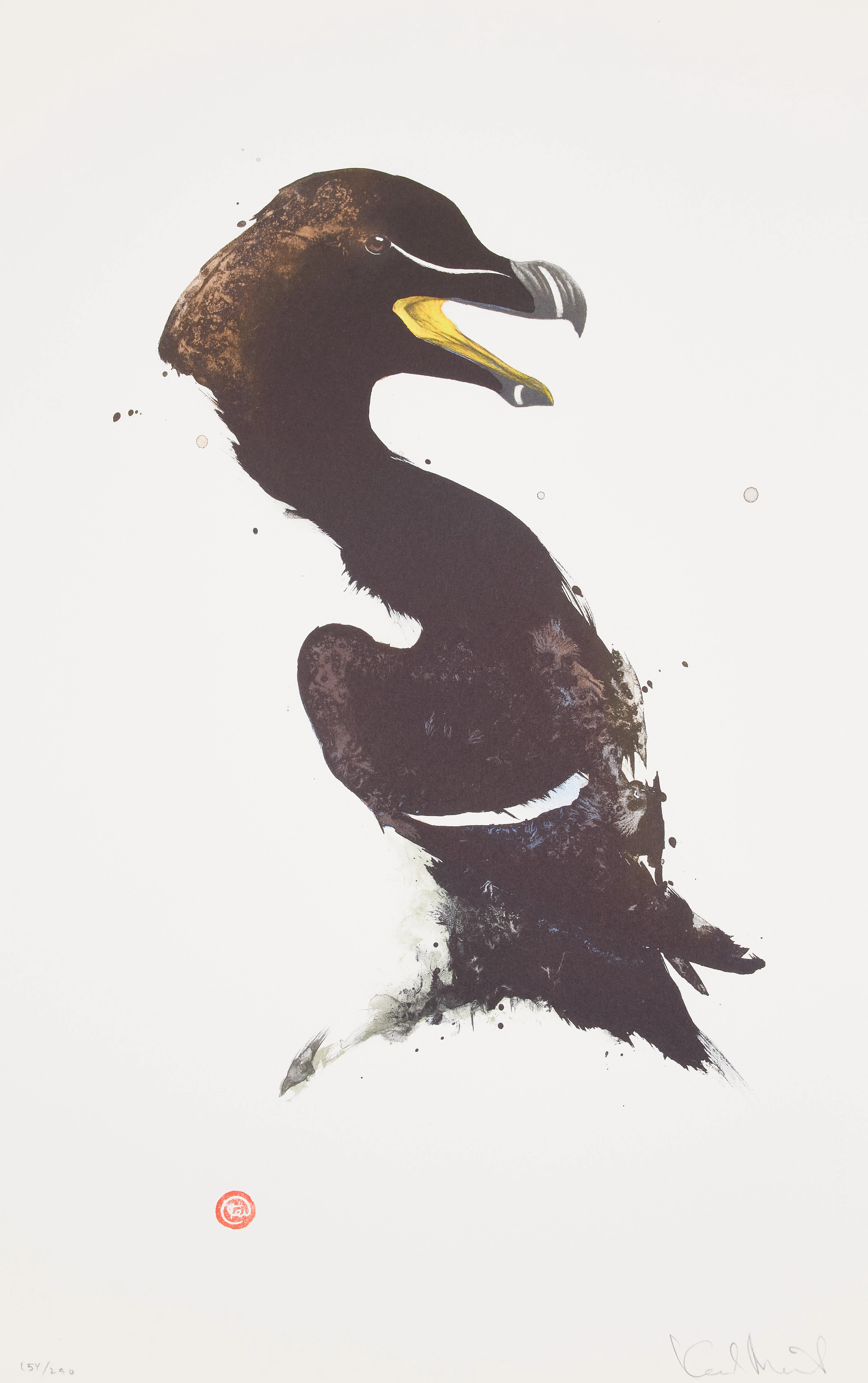
KARL MÅRTENS, "Tordmule", färglitografi, signerad och numrerad 154/290.
10/16/2026
SEK 700
Uppsk.: SEK 2,000
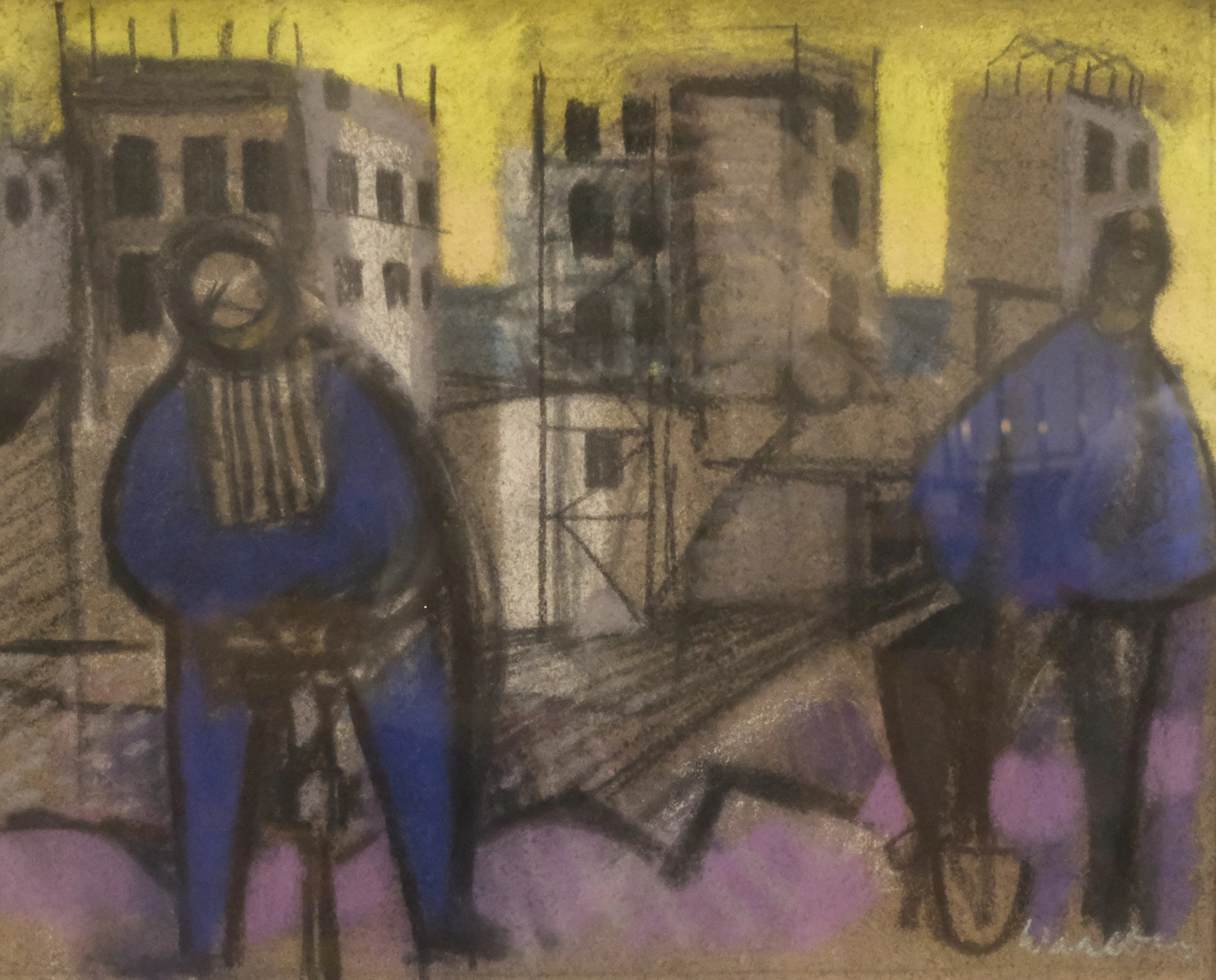
BERTIL WAHLBERG. PASTELL. ABSTRAKT KOMPOSITION, STADSMILJÖ MED ARBETANDE
10/16/2026

SEK 300
Uppsk.: SEK 500
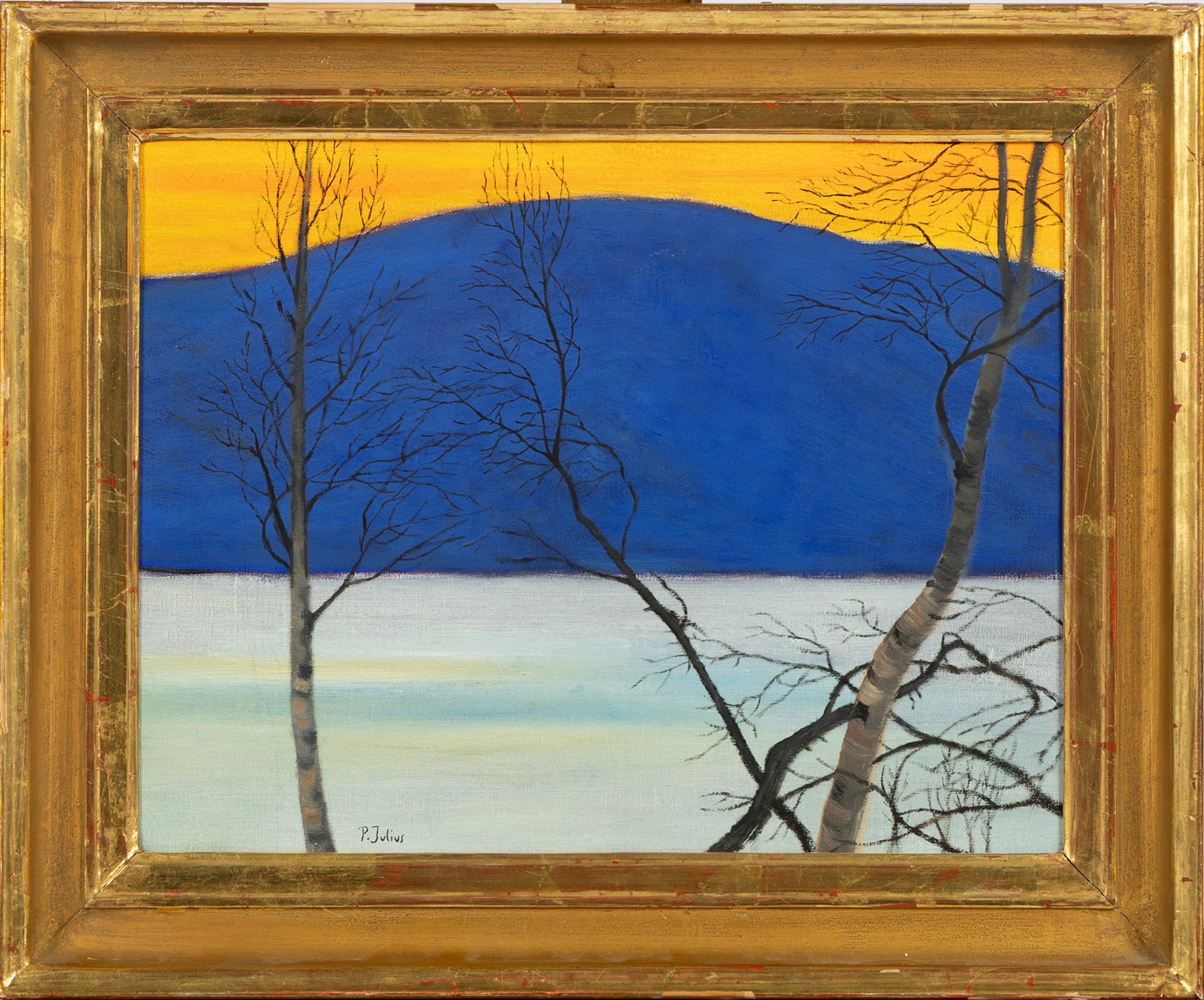
PER JULIUS. Oljemålning på duk. "Tängvattnet, Hemavan, Lappland".
10/16/2026
SEK 7,001
Uppsk.: SEK 3,000
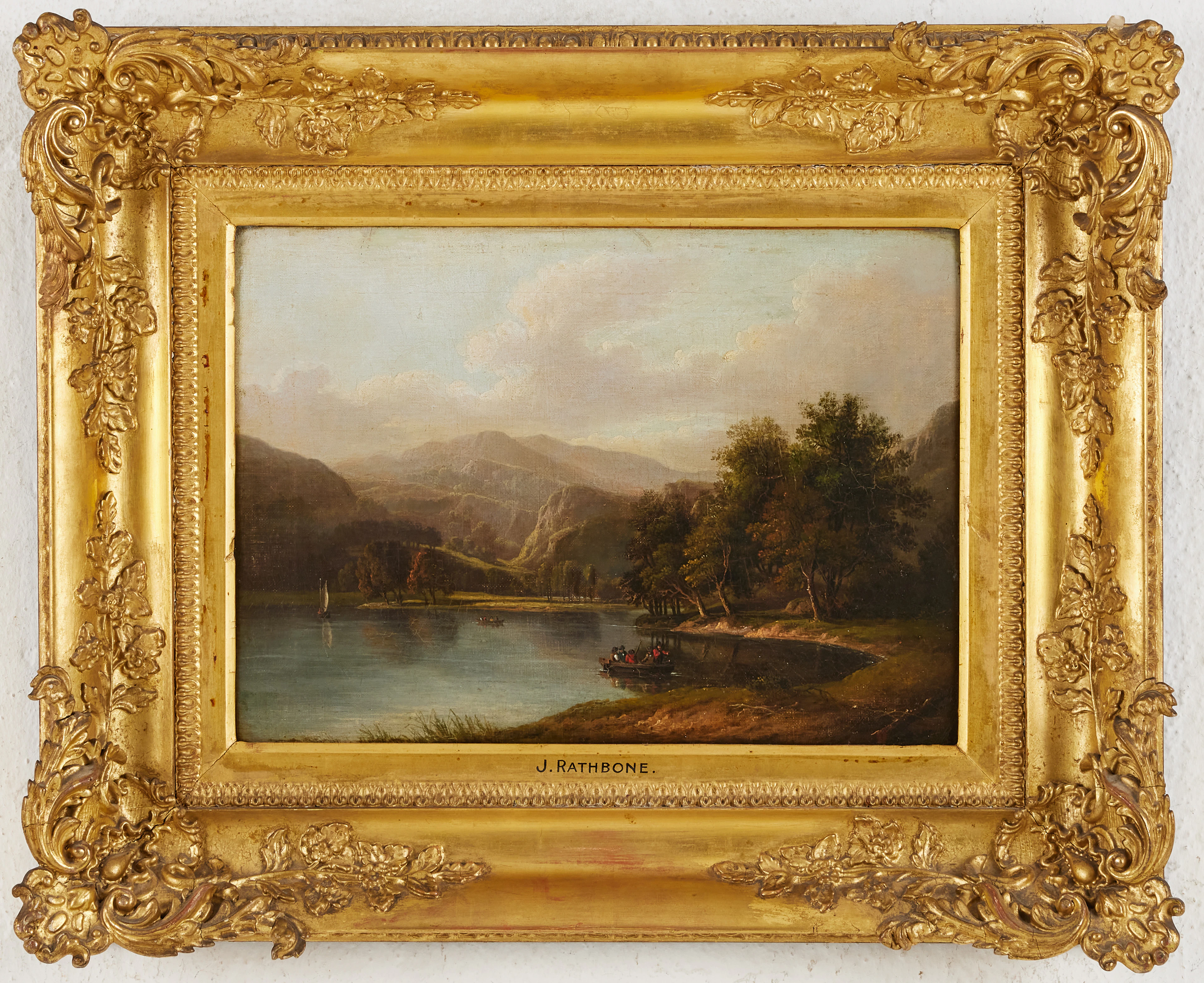
JOHN RATHBONE. (England, 1750-1807). Engelskt landskap, olja på duk.
10/16/2026
SEK 6,000
Uppsk.: SEK 8,000
Nå samlare över hela världen med din auktion!
Lista er auktionGenom att prenumerera godkänner du integritetspolicyn. Avprenumerera när som helst.
Barnebys HQ
Brahegatan 10
BOX 5038
114 37 Stockholm
