




Alla auktioner / Glas / Lötz Witwe

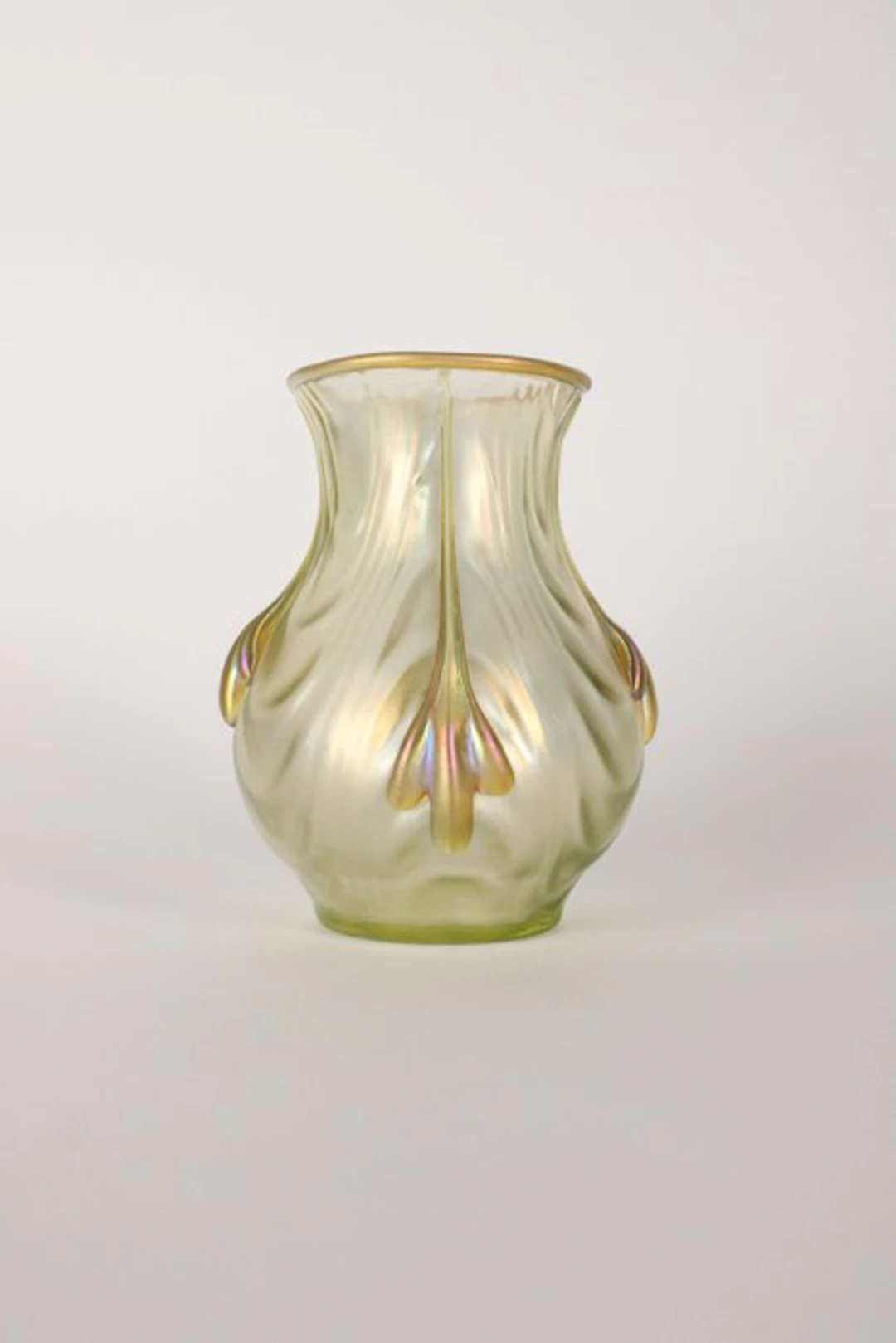
Johann Loetz Witwe, Klostermühle, Austria – Art Nouveau vase with decor ‘Coppelia’ with Silberiris applications – 1904 ‘Coppelia’ is a green-yellow iridescent decor from 1904 with a wavy optical pattern often combined with additions such as little ears or, as here, in three-lobed applications in Silberiris. The body of this vase is executed in Coppelia and finished with a Silberiris rim that matches the applications. Four drop-shaped and downward three-lobed applications in Silberiris were applied hot. Beautifully ground pontil. This information can be found in the Loetz catalog by Jan Mergl from 2003. The coupe is depicted in Giuseppe Cappa’s book, Le Génie Verrier de l'Europe, ed. Mardaga, 1998, ill. 170 (see photo). The vase is in very good condition with only minor age-related traces. There is a small irregularity on one of the applications just below the rim of the vase; it seems more like a production flaw than a flea bite, but I am reporting it nonetheless. The vase is 14.5 cm high and the broadest diameter is about 11 cm. Photos are part of the description. Carefully packaged, insured and shipped with tracking to your home. We do not ship outside the EU or to (non-)countries with a special customs status. Lötz/Loetz was founded in 1840 by Johann Lötz and was a Bohemian company that belonged to the Austro-Hungarian Empire. In 1879 a grandson of Lötz, Max Ritter-Von Spaun, took over the business from his grandmother and kept the name Joh. Lötz Witwe. From that moment, Johann Lötz Witwe really began to make a name for itself; they developed new innovative glass techniques, but also their design and bold colors were entirely new. They designed special shapes and vases, luxury items, sold in luxury shops in Vienna, Berlin, Hamburg, Paris, London, Milan, Brussels and Madrid. It quickly made them very well known and famous. It was the period when Art Nouveau flourished. They used organic forms, nature was their model, often the shapes were formed organically by bending the hot glass with pliers to create uneven forms. Lötz participated in all kinds of World Expos, including the famous Exposition Universelle of 1900 in Paris. They were awarded numerous prizes for participating in World Expos. Their designs were popular, also in the United States. They were able to produce iridescent glass. In short, Lötz had become a household name. And it still is. Lötz also worked closely with other glass manufacturers and with various artists, such as Josef Hoffmann, Koloman Moser and other artists of the Wiener Werkstätte. In the twenties, sleeker vases were produced, more in line with the Art Deco style of those years. Lötz existed until 1940; after a bombing the factory was completely destroyed. The glass of Lötz is still very popular and collected worldwide, and their oeuvre can also be found in many museum collections.
Utropspris:SEK 4,455.49
Till auktionenUtropspris:
SEK 4,455.49
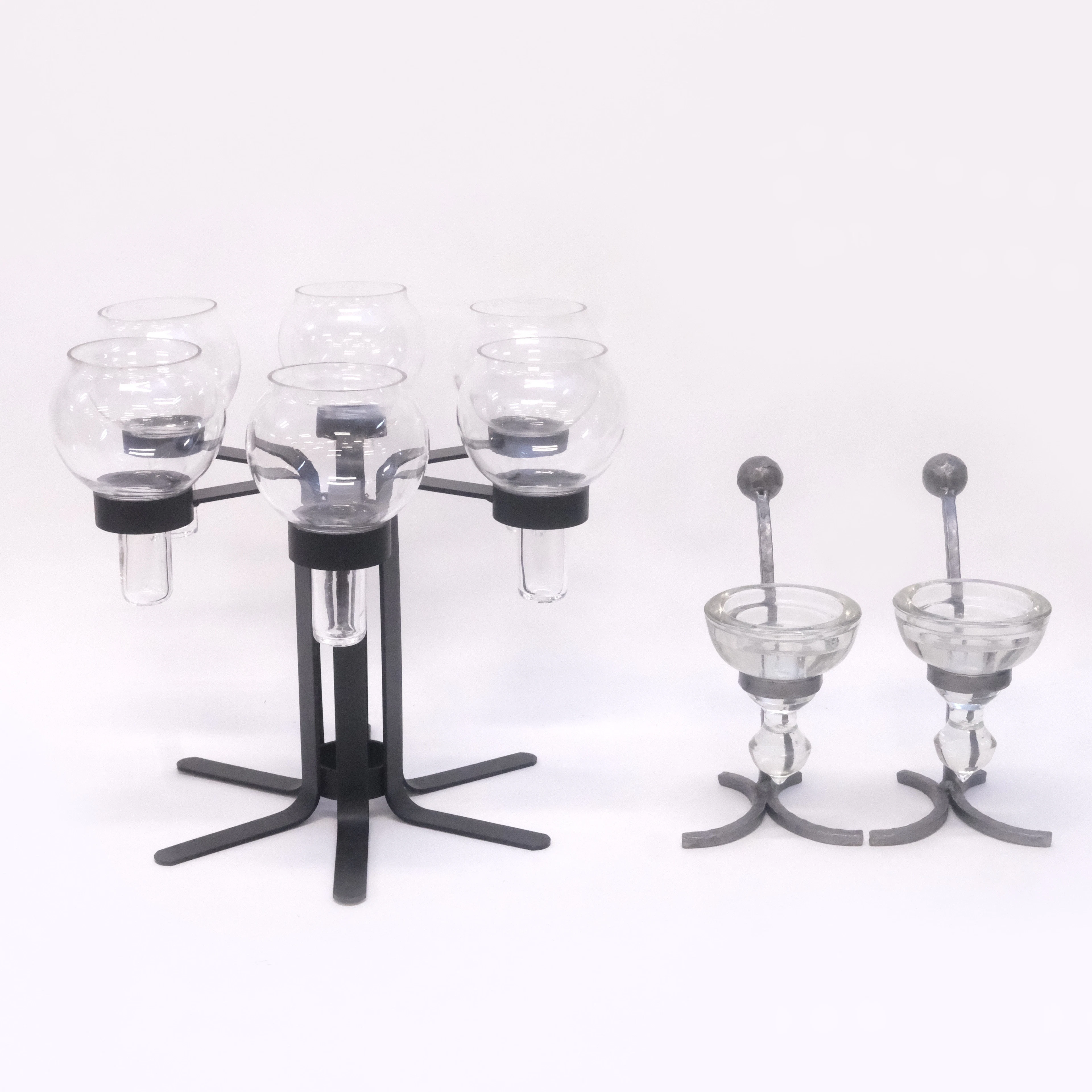
SEXARMAD LJUSSTAKE SAMT TVÅ LJUSSTAKAR, MÖJLIGEN BODA SMIDE.
10/17/2026

SEK 300
Uppsk.: SEK 500
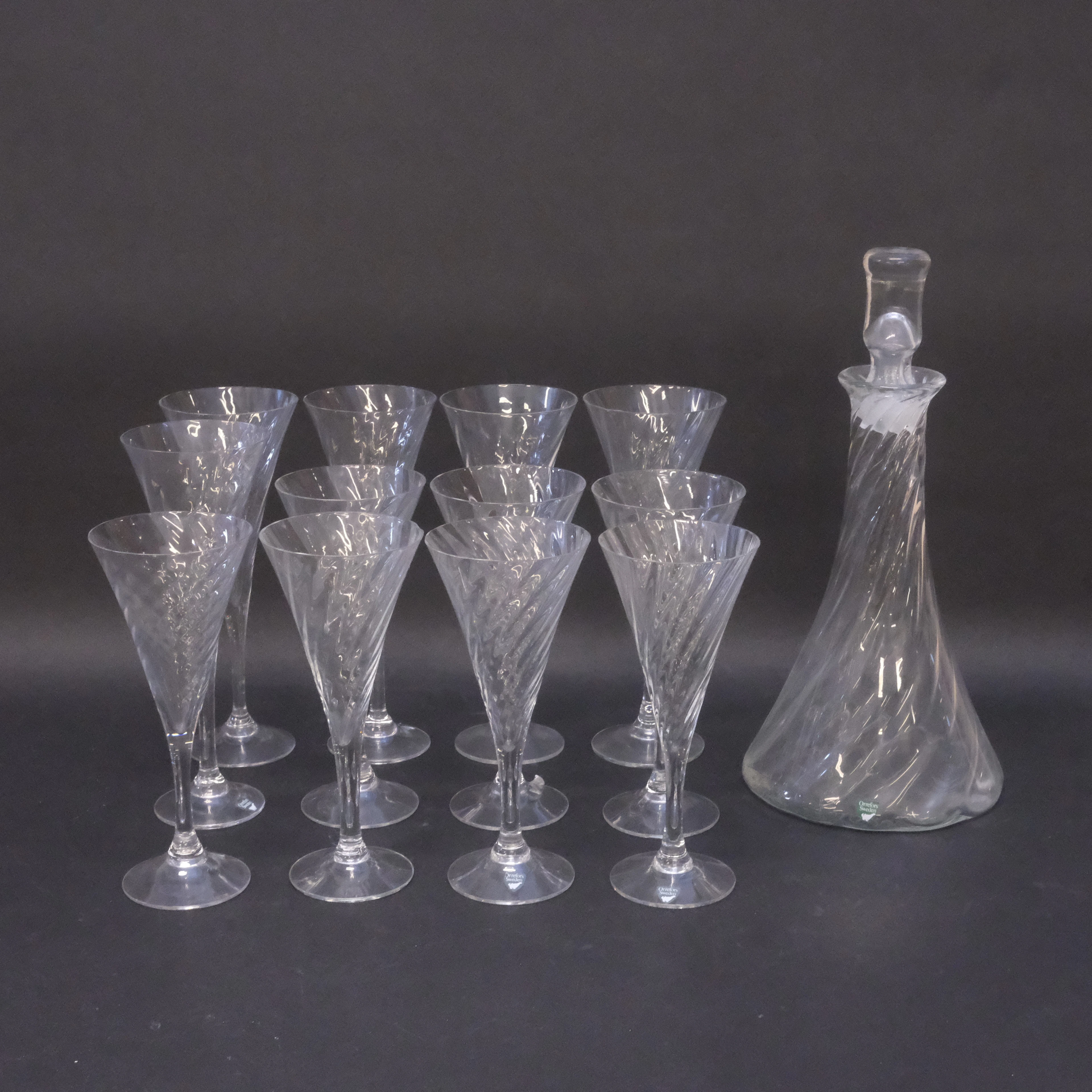
GUNNAR CYRÈN. GLASSERVISDELAR, "HELENA", ORREFORS, 13 DELAR.
10/17/2026
SEK 650
Uppsk.: SEK 1,000
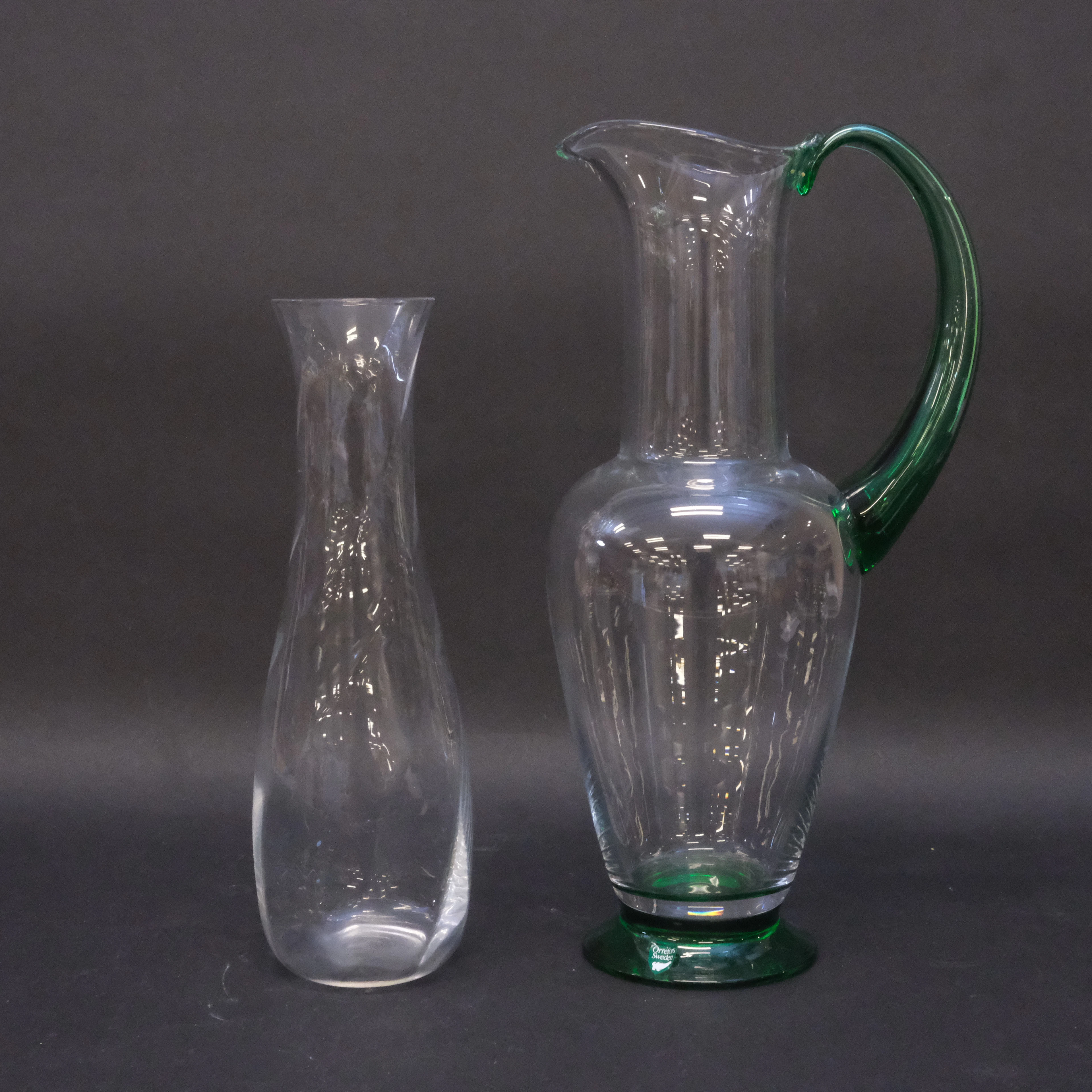
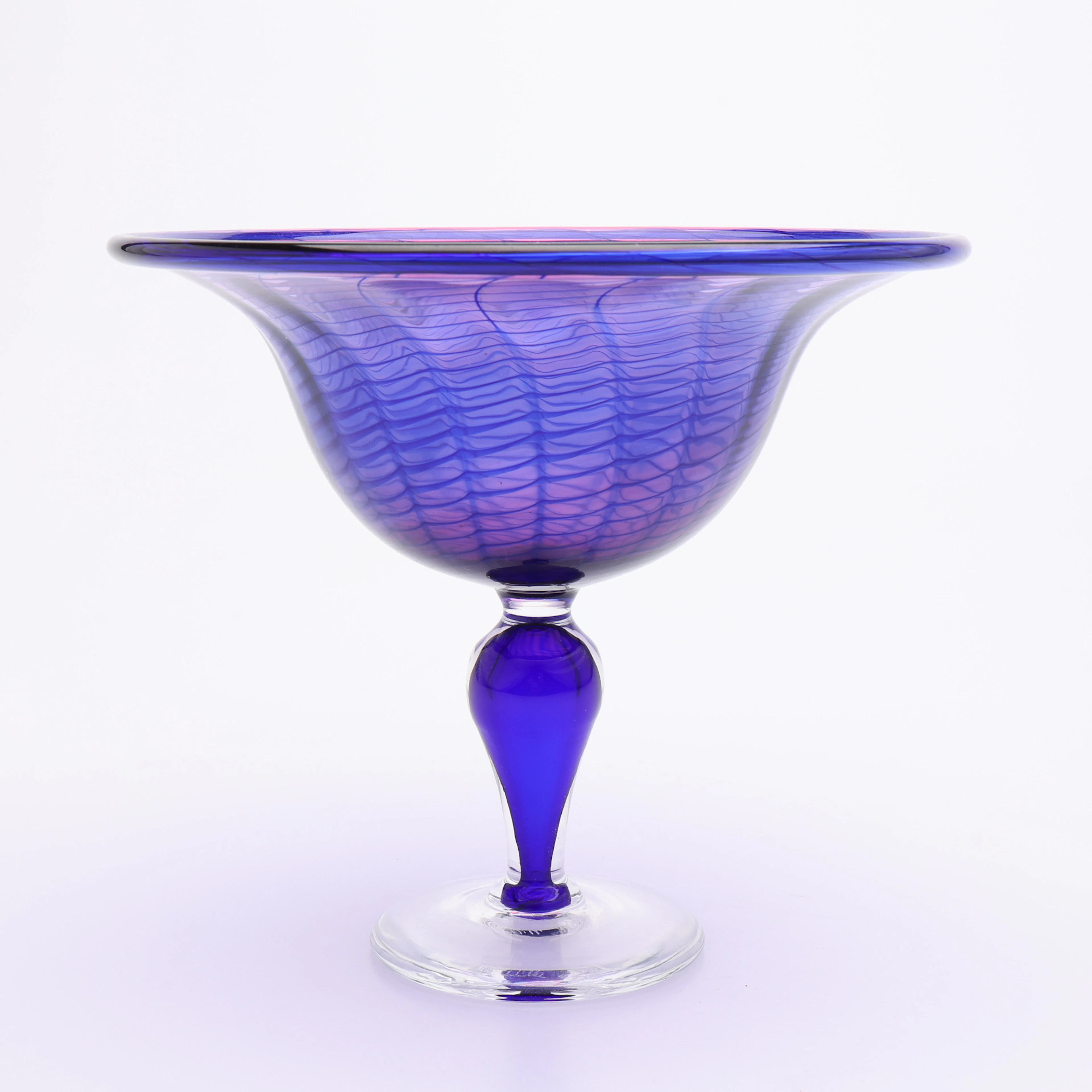
WILKE ADOLFSSON (FÖDD 1940). SKÅL PÅ FOT, WILKES STUDIOHYTTA, 1992.
10/17/2026
SEK 800
Uppsk.: SEK 1,000
Nå samlare över hela världen med din auktion!
Lista er auktionGenom att prenumerera godkänner du integritetspolicyn. Avprenumerera när som helst.
Barnebys HQ
Brahegatan 10
BOX 5038
114 37 Stockholm
