
Alla auktioner / Förhistorisk Konst / Phoenician - Black glass amphoriskos - Core glass - 5th–3rd century BCE.

Phoenician - Black glass amphoriskos - Core glass - 5th–3rd century BCE.
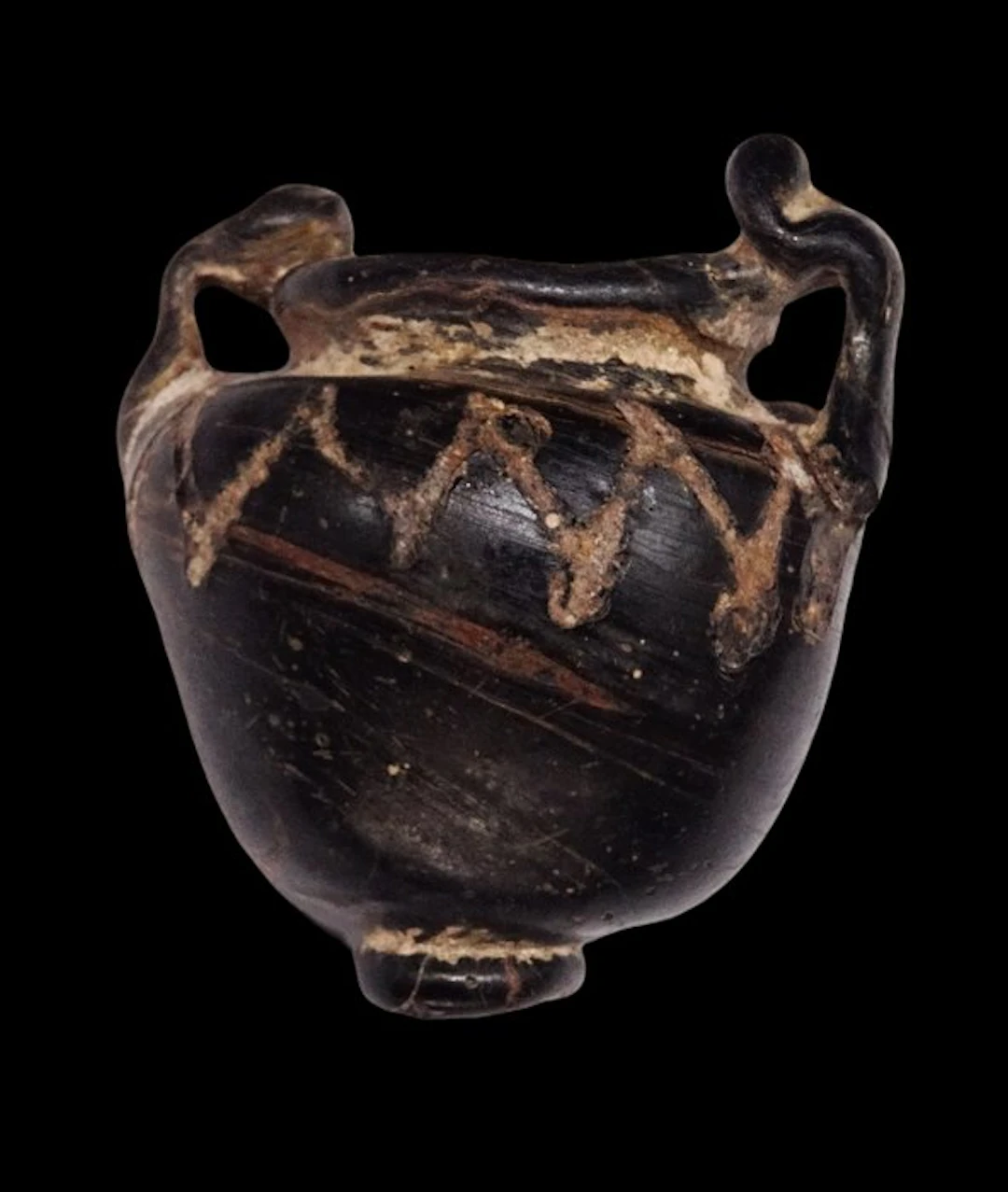
RARE AMPHORISKOS IN GLASS PASTE Stocky vase in black glass with a button-shaped foot. Vase with a deeply hollow shoulder, low neck, two applied handles with an elevated section. The vase features inlaid zigzags on the shoulder; Dimensions: Height 5.6 cm - width 5.2 cm - Very good condition - restoration on one handle Eastern Mediterranean, 5th-3rd century BC. A very rare piece! This amphoriskos was used for perfume, ointments, or makeup due to its small filling volume. It was made following the sand-core technique used at the beginning of glass production. First, the shape of the vessel was pre-formed from clay or sand. One or more hot glass threads of the desired color were wound around these. In the next step, the whole thing was heated again, but only to the extent that the surface could be smoothed by laminating. The rims and feet were sometimes pulled from the mass or, as is most often the case with handles or here decorations, attached separately. Once the vessel cooled, the sand core was scraped away and the vessel was ready for use. The amphoriskos was almost certainly also equipped with a cord for hanging – the small knobbly base alone is not enough to give this heavy vessel a secure seat. Models for its shape were large amphorae with a foot, handles on both sides, a neck and a mouth. They were produced in the eastern Mediterranean and were widespread throughout the Mediterranean region and the Black Sea. Due to the complex process, small glass vessels were precious and considered luxury goods. Provenance: United Kingdom, T.M.L. gallery. Previously: Scottish private collection, Perthshire, 1990s. The sand-core forming technique of glass production involves building a removable core material – probably a mixture of clay, mud, sand and an organic binder – around a metal rod. The core is then covered with molten glass, either by dipping or by sliding a glass thread over the core while it rotates. The vessel is reheated and marbled several times, or rolled, on a flat stone slab. Decoration in the form of glass threads is then drawn and pressed onto the surface, usually after being combed or drawn with a metal pin or hook into a zigzag, plume, or other pattern. The metal rod is then removed and the vessel is annealed. Once the core is scraped, the edge, handles, and base buttons are applied after further reheating. The seller can prove that the lot was legally obtained, provenance statement seen by Catawiki. Important information: The seller guarantees that he is authorized to sell/export this lot. The seller will ensure that the necessary authorizations, such as an export license, are organized. (passport for a cultural object) The seller will inform the buyer of their status if this takes more than a few days.
Utropspris:SEK 10,083.18
Till auktionenVisa alla föremål frånCatawikiellerFörhistorisk Konst
Utropspris:
SEK 10,083.18
Liknande föremål
Auktionsresultat för liknande föremål
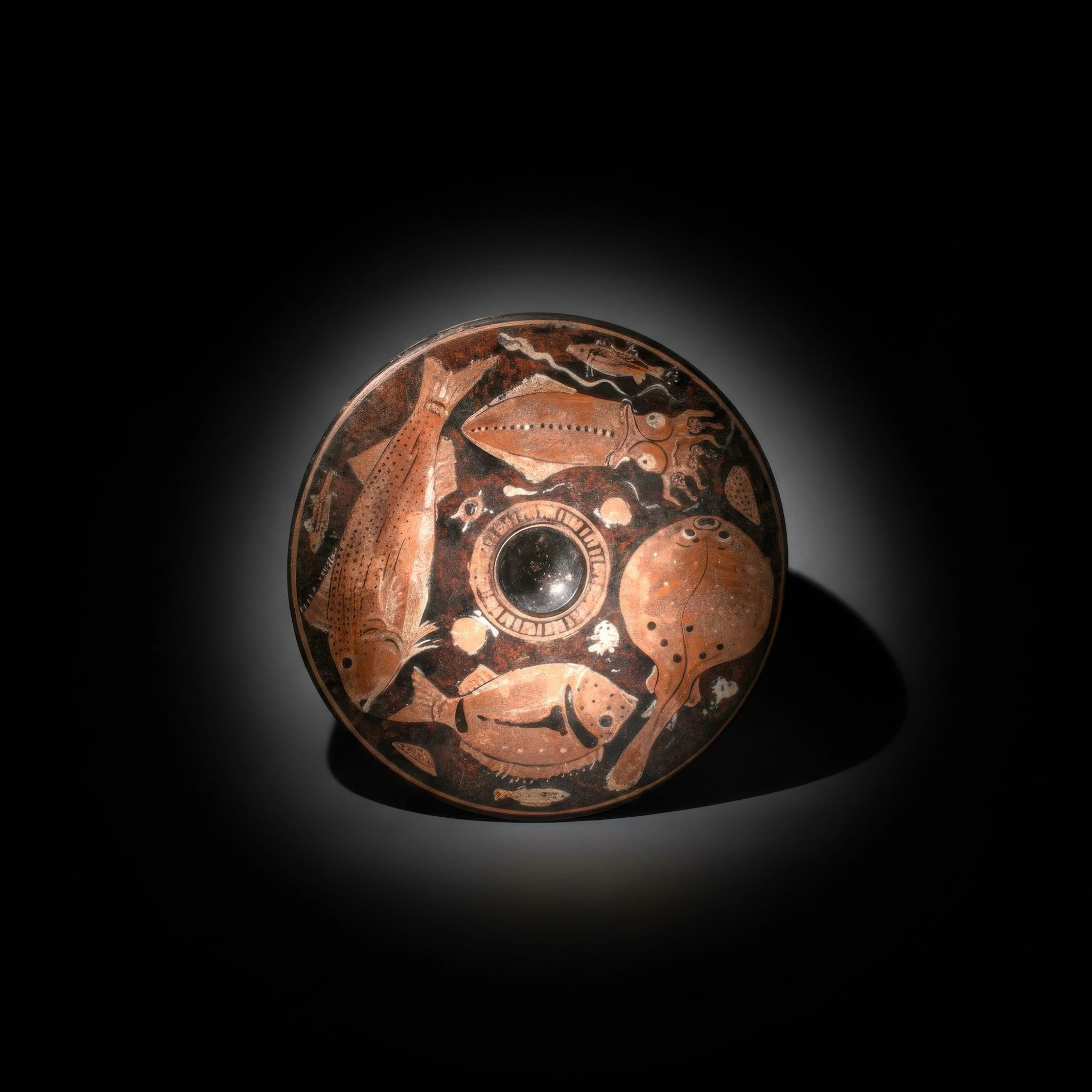
VERY RARE APULIAN RED-FIGURE FISH PLATE WITH 15 SEA CREATURES
06/21/2026

SEK 254,990.72
Uppsk.: SEK 126,785.75
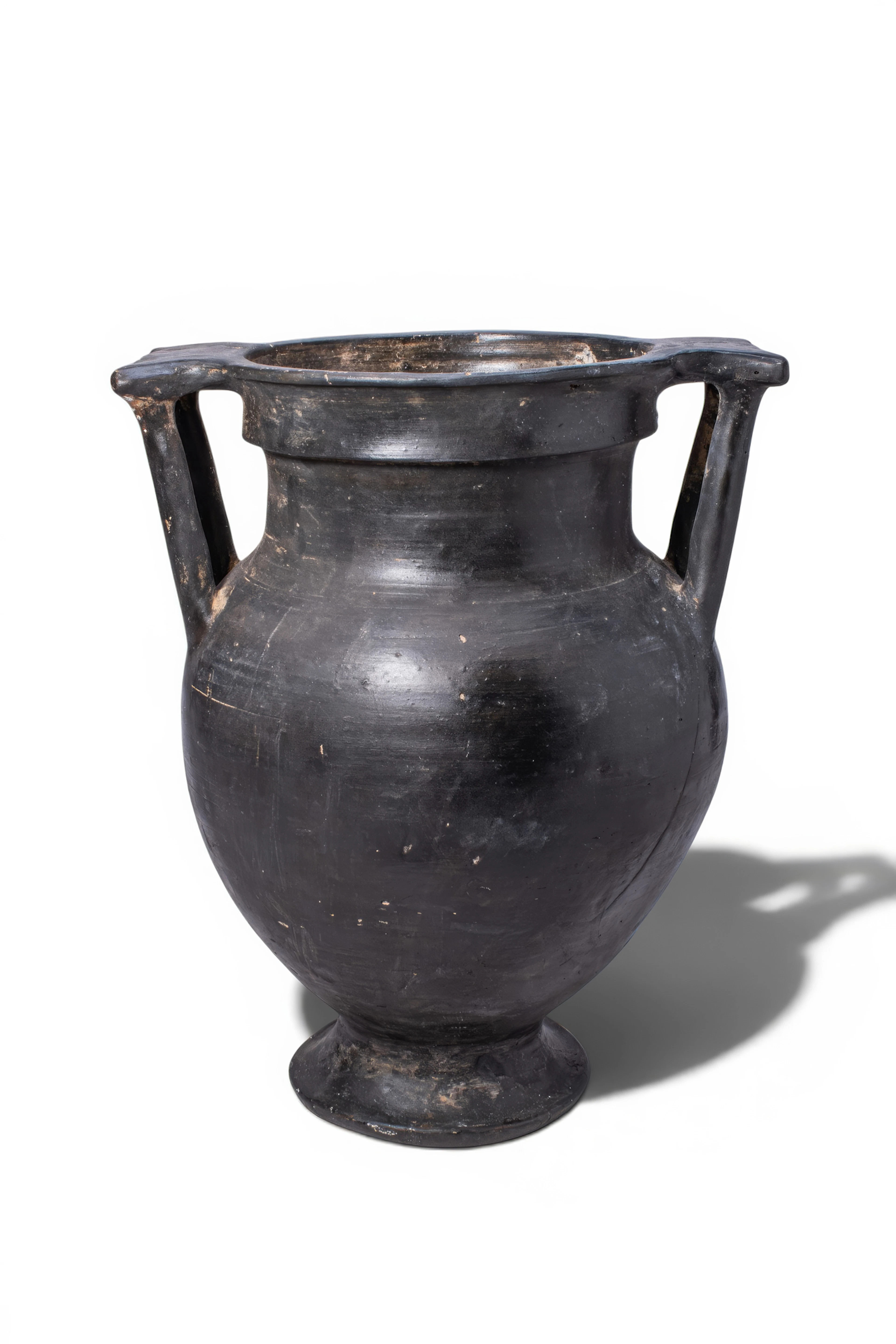
LARGE GREEK LACONIAN BLACK-GLAZED COLUMN KRATER
06/21/2026
SEK 16,574.39
Uppsk.: SEK 12,484.8
Nå samlare över hela världen med din auktion!
Lista er auktion