
Alla auktioner / Konst & Grafik / Ramon Barnadas Fàbrega (1909-1981) - Paisaje

Ramon Barnadas Fàbrega (1909-1981) - Paisaje
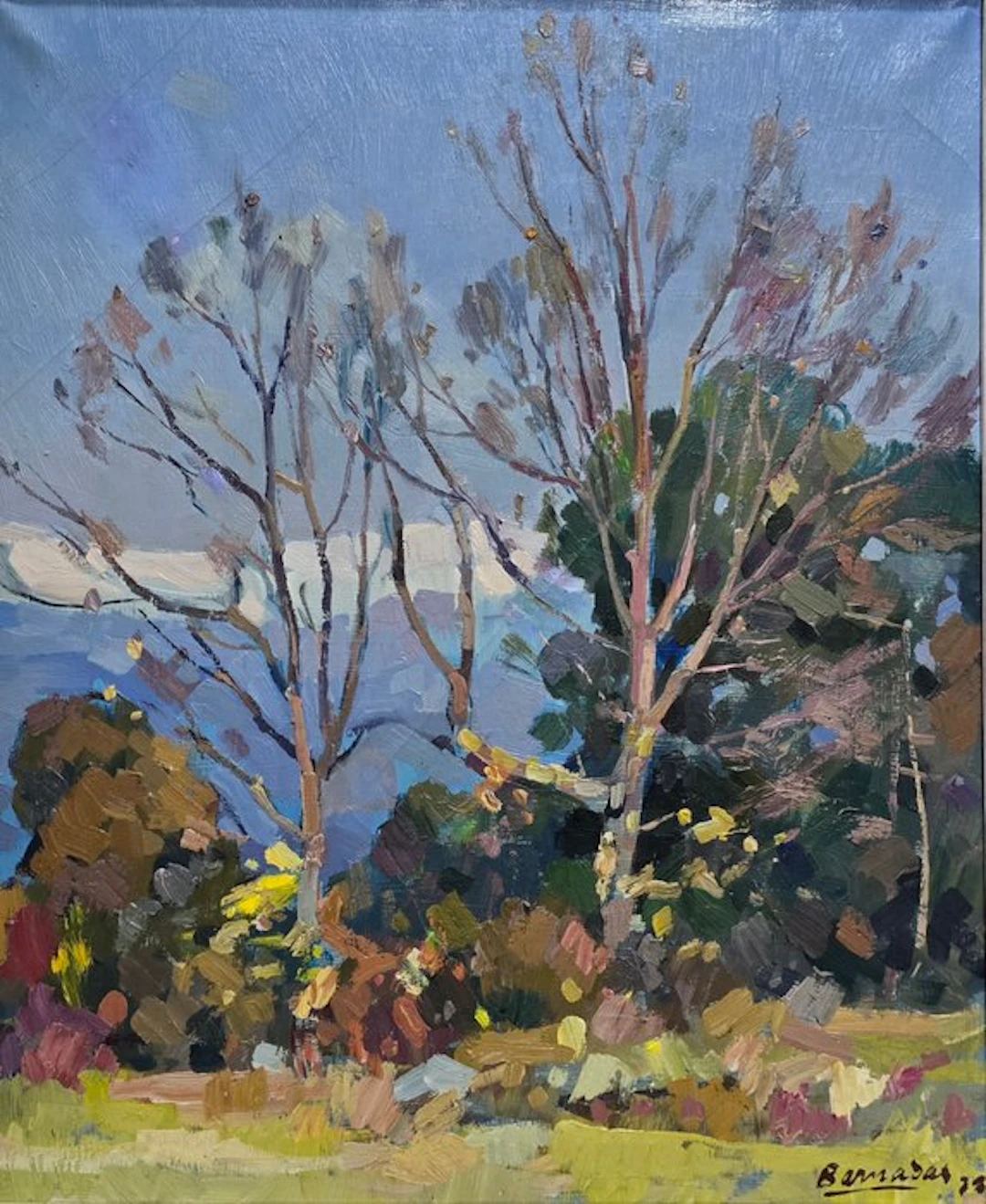
Pictura Subastas presents this magnificent artwork belonging to Ramon Barnadas, which depicts a mountainous landscape at the awakening of spring, where the trees are still bare, rising over a vegetation full of color before the serene bluish mountains. The painting stands out for its excellent technique and the high pictorial quality it transmits. · Framed dimensions: 63x56x6 cm. · Unframed dimensions: 46x38 cm. · Oil on panel signed by the artist by hand in the bottom right. · The piece is in good condition. · The work is sold with a precious frame (included in the auction as a gift). The work comes from an exclusive private collection in Girona. Important note: the photographs included are an integral part of the lot description. Digital representation in an indicative mockup; there may be differences from the actual item in color, scale, and details. The painting will be professionally packed by an IVEX expert (https://www.instagram.com/ivex.online/) using high-quality materials to guarantee its protection. The shipping price covers both the cost of professional packaging and the transport itself. Shipping will be carried out by Correos, GLS or NACEX with tracking. International shipping available. This painting presents a natural landscape of intense personality, dominated by a group of slender trees that rise before a succession of bluish mountains. The scene seems to capture one of those moments of transition when winter begins to withdraw and nature slowly awakens. The trunks are still bare and the branches almost empty, coexisting with low vegetation full of greens, yellows, ochres, reddish tones and violets. The entire environment conveys a sense of renewal, as if the first signs of a new season began to silently spread across the valley. The composition is organized around a clear layering of planes. In the lower area appears uneven terrain covered with grasses, shrubs, and small plants; in the middle space the trees rise, accompanied by a dense mass of vegetation; and in the background, the mountains form a tranquil barrier under a gray-blue sky. This sequence guides the gaze from the chromatic richness of the foreground to the serenity of the distance, creating a convincing sense of breadth and depth. The foreground possesses an extraordinary variety of colors. Yellow-green, ochre, browns, garnet, pinks and small flashes of bright yellow are distributed over the ground, suggesting wild vegetation growing spontaneously. It is not a tidy or domesticated space, but a parcel of free nature, where each plant seems to occupy its place following only the rhythm of the seasons. In the lower band, green and yellow tones form a luminous base that contrasts with the darker zones behind. This clarity introduces the scene and provides a sense of closeness, as if the viewer stood at the edge of a meadow. The different shades suggest small irregularities of the terrain, young grasses, fallen leaves, and corners where moisture preserves cooler colors. Among the vegetation appear numerous yellow notes that animate the landscape. Some may recall small wildflowers beginning to bloom, while others seem reflections of light on the plants. Their irregular distribution creates a cheerful and spontaneous rhythm. These luminous accents stand out especially against the deep greens and browns of the surroundings, becoming signals of vitality within a landscape still marked by the nakedness of the trees. The bushes in the foreground form a compact mass, yet full of variations. Oliv-green, earthy tones, reddish browns, subdued purples and almost black areas can be distinguished. This richness makes the vegetation appear dense and abundant, yet with a wild and slightly rough character. Nature is not shown idealized, but full of contrasts, changes and unpredictable forms. In the center of the composition several young trees with thin trunks and elongated branches rise. Their vertical silhouettes traverse much of the image and visually connect the ground with the sky. Some present straight and contained forms, while others lean or split into irregular branches. This diversity lends naturalness to the whole and avoids the group from being perceived as rigid or overly orderly. The trees on the left have light, open crowns, formed by small clusters of leaves or buds in grayish, greenish, pinkish and beige tones. Their dark branches extend freely and sketch delicate shapes against the sky. The scarcity of foliage allows viewing their entire structure and emphasizes the sense that the cold season has just ended or still holds part of its influence over the landscape. In the central area, the branches intertwine and form a particularly dynamic lattice. Some rise almost vertically, while others open sideways or descend gently. This set of natural lines adds movement to the scene and seems to reflect the trees’ patient growth. The finer branches gradually disappear into the sky, as if trying to reach the light. One of the most prominent trees rises slightly to the right of center. Its trunk, thicker and lighter than the others, shows pink, brown, ochre tones and small yellowish reflections. From it depart numerous branches that open in different directions, forming a wide structure. Its position and height make it one of the main focal points of the work. This central tree seems to act as a boundary between two environments. To its left a more open area opens up, where the mountains can be contemplated clearly; to its right a much darker and denser vegetation concentrates. The tree figure thus establishes a balance between openness and depth, between the distant valley space and the enveloping proximity of the bushes. On the right side a powerful mass of vegetation appears, composed of dark greens, blue-black tones, browns and small reddish nuances. Its density contrasts with the lightness of the bare branches and provides a strong visual weight. This area may suggest a group of evergreen trees, a closed forest, or a hillside covered with scrub. Its presence creates mystery, as it seems to conceal the continuation of the landscape. Above this dark vegetation rise branches tinted with muted pinks, violets, grays and reddish browns. Some still preserve small groups of leaves or buds that soften their profiles. The combination of cool and warm colors adds richness and allows imagining a soft light, filtered by a cloudy sky. These irregular crowns seem to sway gently, introducing a breeze sensation into the scene. The difference between both sides of the composition is particularly attractive. The left sector conveys air, distance and brightness, while the right concentrates shadow, vegetation, and depth. This opposition does not break harmony, but makes the landscape more alive. The eye can move from open spaces to hidden areas, discovering a nature that alternates clarity and mystery. Behind the trees a clear band of cream tones, pale gray and bluish white extends. This area could correspond to distant fields, illuminated slopes or remains of snow accumulated in the valley. Its clarity separates the dark trunks from the mountains and increases the sense of distance. It also introduces a visual pause between the intense vegetation of the foreground and the large bluish masses in the background. The clear shapes of the valley appear partially hidden by the trees, so the spectator can only reconstruct them through the spaces between the trunks. This fractured view is suggestive, as it allows imagining a much wider landscape beyond what is visible. The pale zones advance horizontally and act as a visual path that leads toward the mountains. The mountain in the center has a soft, rounded silhouette. Its blue-gray tones convey distance and serenity, contrasting with the earthy and vibrant colors of the foreground. The slope seems to descend slowly toward the valley and is partially covered by a cool atmosphere. Its presence provides stability and establishes a natural horizon behind the turmoil of branches and shrubs. On the left side another more distant and diffuse mountain range is distinguished. Its outlines appear softened by distance, merging partially with the sky. This progressive loss of chromatic intensity creates a pleasant sense of depth. The viewer can imagine that the mountains continue beyond the scene’s limits, forming part of a vast and silent territory. The blues of the background establish a strong contrast with the greens, yellows and browns of the nearby terrain. While the mountains convey freshness, calm and distance, the foreground vegetation adds warmth, energy and movement. This chromatic relationship helps differentiate the spaces while also uniting them within a common atmosphere. The sky occupies the top and is dominated by bluish-grays, muted sky blues and delicate whitish variations. It is not shown entirely clear, but covered by a gentle and even luminosity. This atmosphere may recall a fresh morning, a early-spring day, or the moment after a light rain. The absence of intense light reinforces the landscape’s intimate and contemplative character. The clarity of the sky allows the finer branches to stand out with particular sharpness. Their dark forms rise and diverge on the bluish background, creating a delicate lattice. Some branches end in small buds, scattered leaves or golden shapes that seem to announce the renewal of the trees. This opposition between the naked structure and the appearance of new life is one of the most poetic aspects of the scene. The lighting appears to spread softly across the entire landscape. There is no single zone bathed in direct glow, but a diffuse clarity that gradually reveals the colors of the vegetation. The yellows in the foreground and the pink tones of the trunks gain greater prominence thanks to this contained light. The result is a fresh, calm and slightly melancholic atmosphere. Despite the general serenity, the scene has a notable sense of movement. The branches open and cross in multiple directions; the understory colors continually change; and the tree canopies seem to respond to a light breeze. Nature feels active, even though its transformation occurs slowly and quietly. Everything seems to be growing, changing or preparing for a new stage. The composition combines vertical, diagonal, and horizontal lines. The trunks add verticality and elevation; the branches create diagonals that dynamize the space; and the valley and mountains bands provide horizontal stability. This variety guides the gaze smoothly, allowing the image to be traversed from nearby plants to the sky and then back toward the mountains. The absence of human figures, defined paths or intense constructions intensifies the sense of isolation. The landscape appears as a secluded corner, still free of any visible intervention. It seems a place discovered during a solitary walk through the countryside, when the gaze unexpectedly stops before the beauty of some trees, a hillside and the changing light of the season. This solitude does not convey abandonment, but calm. The scene invites to imagine the valley’s silence, interrupted only by the wind through the branches, the song of some bird, or the movement of dry leaves. The viewer may feel integrated into the landscape, contemplating it from the proximity of the vegetation. The work thus awakens an intimate experience, linked to patient observation of nature. The seasonal moment is fundamental to understand the painting’s atmosphere. The trees are still bare, recalling winter’s austerity, while the yellows and greens of the ground announce spring’s arrival. This coexistence between end and beginning makes the landscape a representation of change. Nature appears suspended between two states, keeping the memory of the cold and already showing the first signs of renewal. The work can also be interpreted as a reflection on resilience and the passage of time. The trees remain upright after winter, showing their bare branches without losing their strength. Under them, the vegetation begins to regain color and vitality. The mountains, serene and unmoving in the distance, contrast with the changing cycle of plants and trees, symbolizing permanence against transformation. The chromatic richness turns every corner of the landscape into a small visual experience. Bright yellows first attract attention; dark greens add depth; pinks and violets soften the trunks and canopies; and blues lead toward the distance. Although many colors coexist in the image, all seem linked by the fresh and slightly misty atmosphere of the surroundings. The eye can begin its journey in the green and yellow band of the foreground, then move between the shrubs and rise along the trunks. From the branches, it directs toward the sky and descends again toward the bluish mountains. Finally, the light zones of the valley lead back toward the vegetation. This circular movement makes the composition enveloping and allows discovering new nuances with every contemplation. Overall, the work represents a mountainous landscape at a moment of seasonal transition, with trees still bare that rise over abundant and color-filled vegetation. The greens, yellows, ochres and reddish tones of the foreground contrast with the serene blues of the mountains and the sky, while the open branches create an ascending and dynamic rhythm. The valley’s clarity, the density of the forest on the right, and the delicate emergence of shoots and wildflowers build an atmosphere of quiet, freshness and renewal. More than merely describing a natural corner, the painting celebrates the resilience of the trees, the awakening of the land, and the beauty of that moment when winter begins to yield to the arrival of a new spring.
Utropspris:SEK 7,842.47
Till auktionenVisa alla föremål frånCatawikiellerKonst & Grafik
Utropspris:
SEK 7,842.47
Liknande föremål

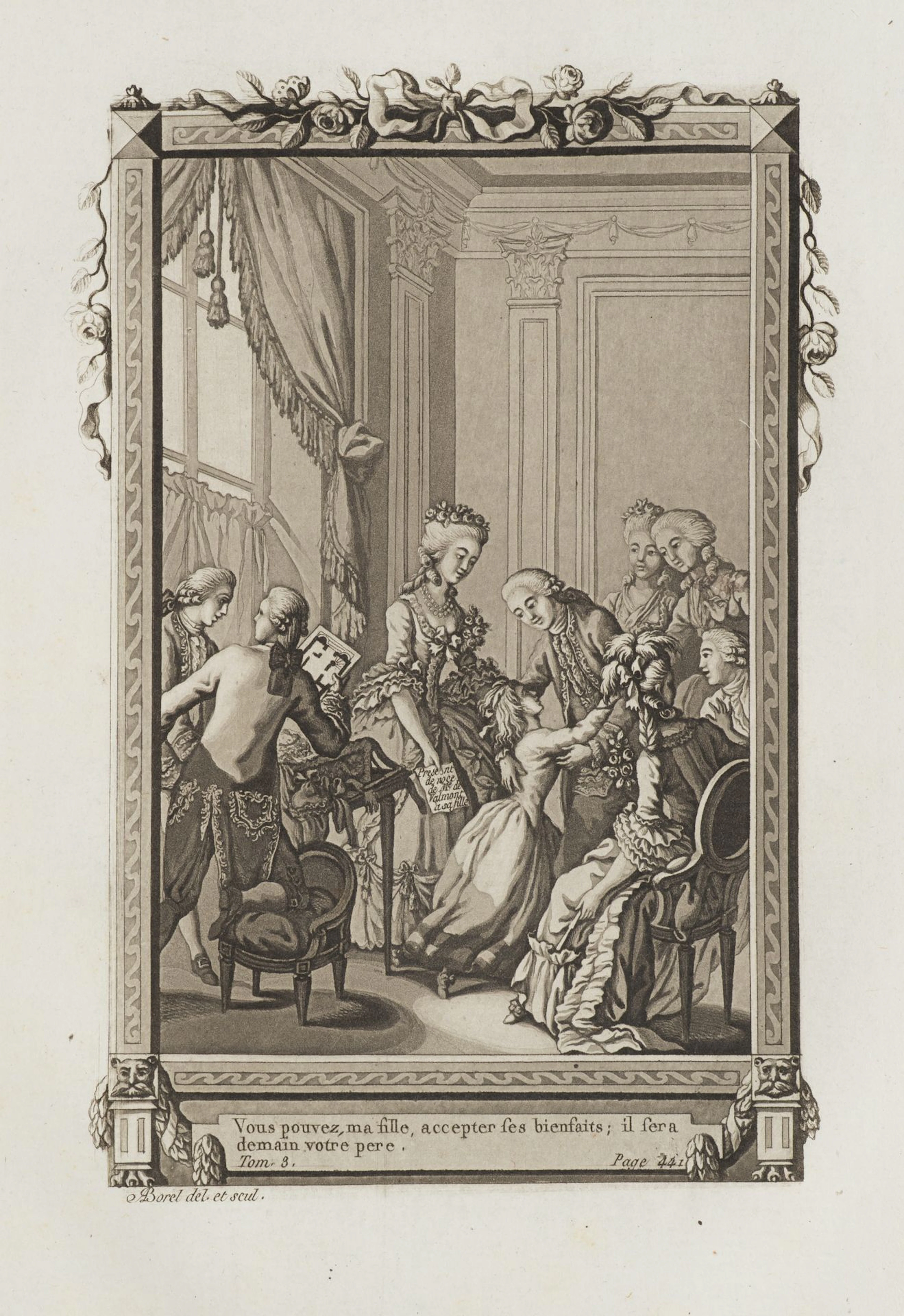
Auktionsresultat för liknande föremål
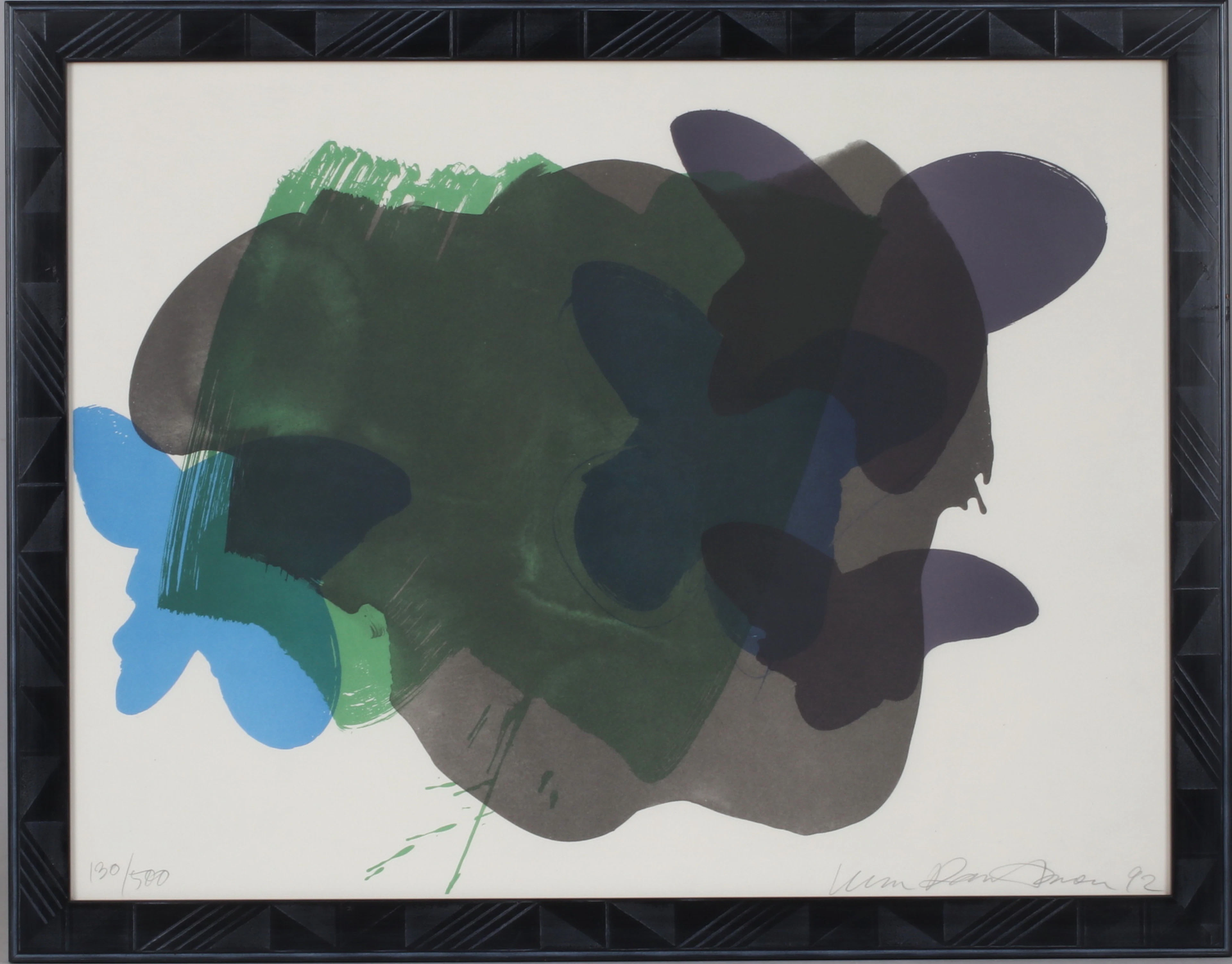
ULLA RANTANEN. "Fjärilarna", litografi, signerad och numrerad 130/500
10/10/2026
SEK 300
Uppsk.: SEK 800
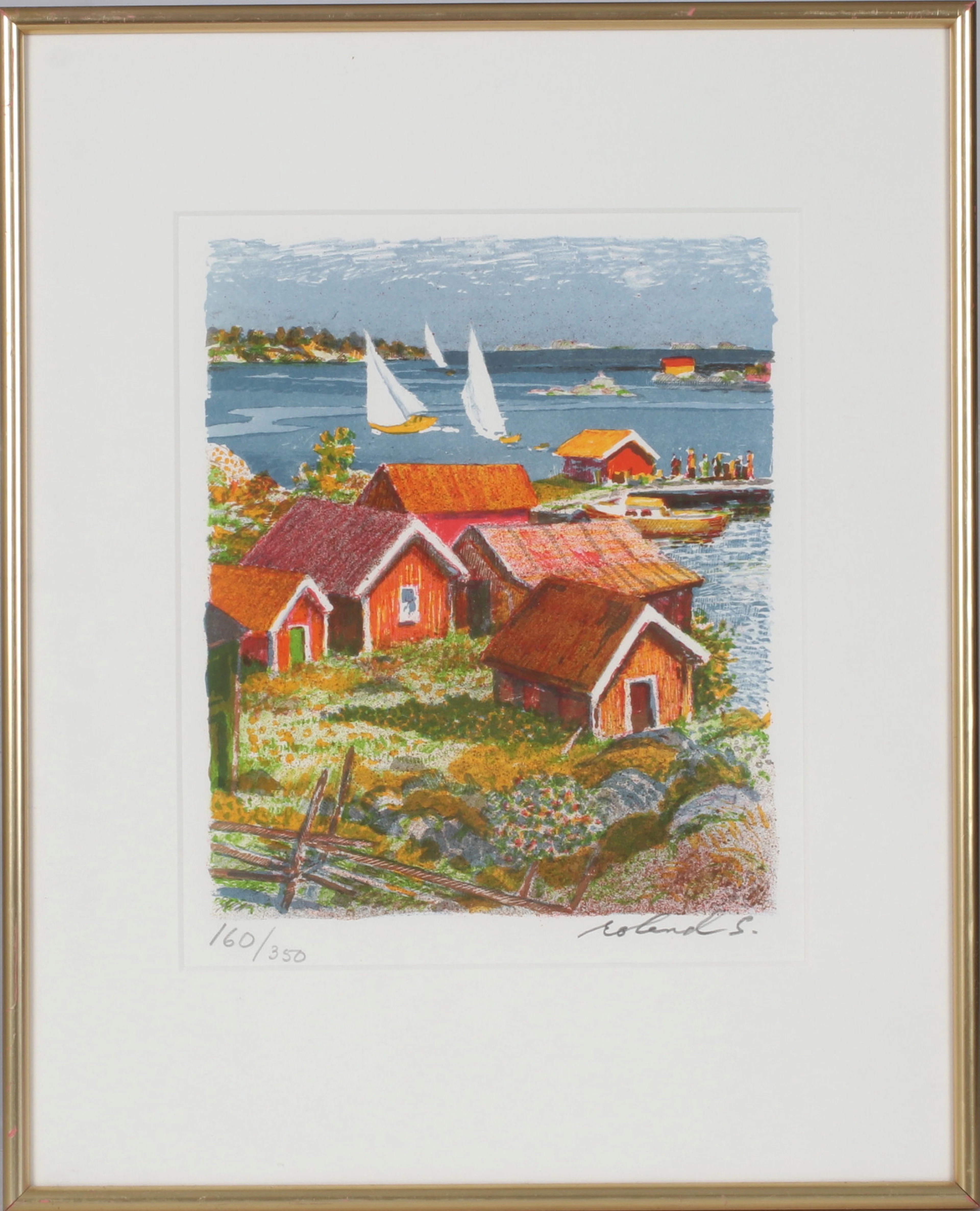
ROLAND SVENSSON. "Högsommardag" litografi signerad och numrerad 160/350.
10/10/2026
SEK 3,712
Uppsk.: SEK 2,000
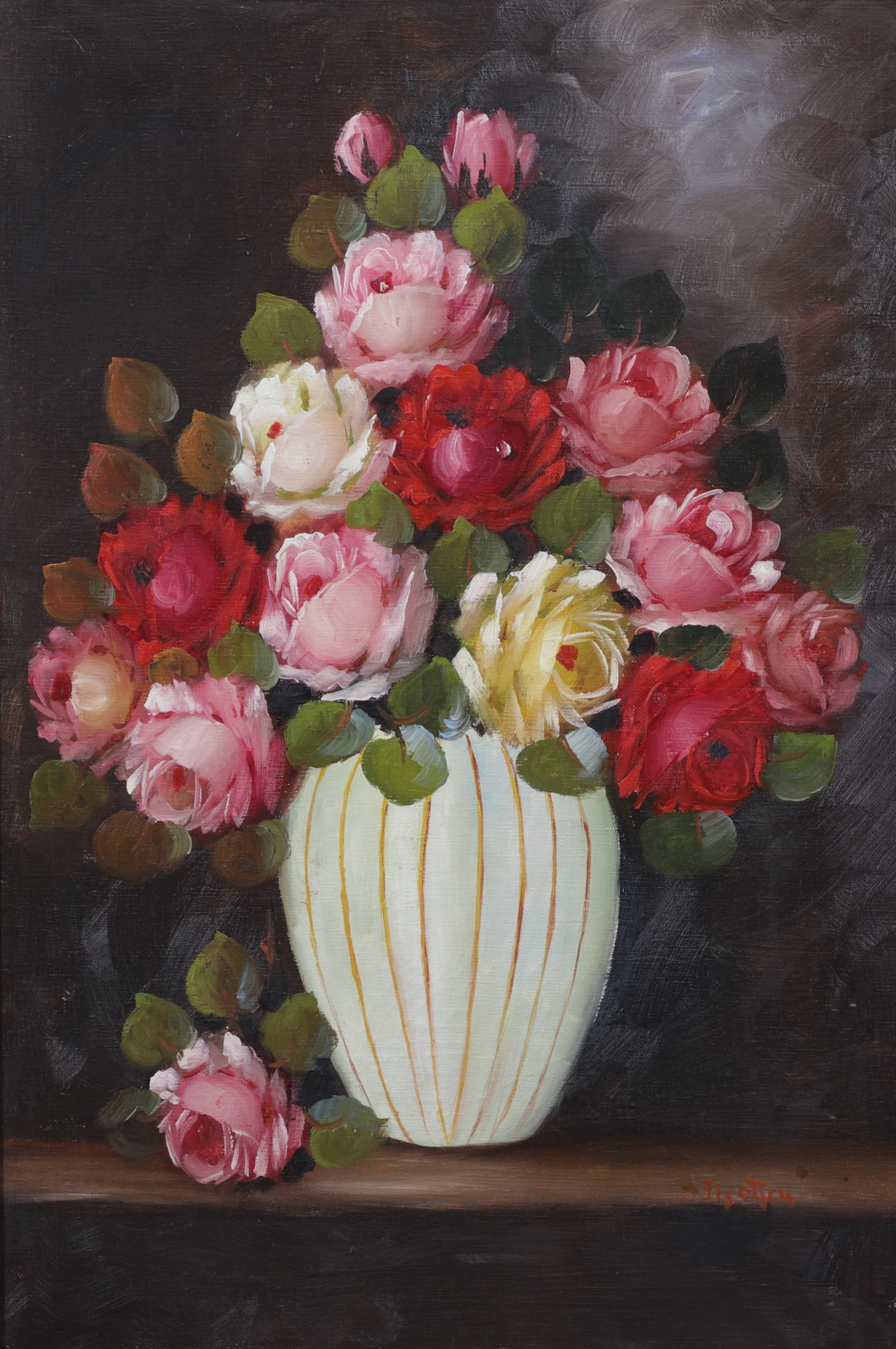
CARL HOLGER FISCHER. Rosor i vas, olja på duk, signerad.
10/10/2026
SEK 2,611
Uppsk.: SEK 800
JAN MEYER (1927-1995). "Le Coeur", signerad och numrerad 30/99, carborundum.
10/10/2026
SEK 1,000
Uppsk.: SEK 2,000
Nå samlare över hela världen med din auktion!
Lista er auktion