
Alla auktioner / Konst & Grafik / Salvador Dalí (after) - Figura en una finestra (L Size) - M&S licensed print

Salvador Dalí (after) - Figura en una finestra (L Size) - M&S licensed print
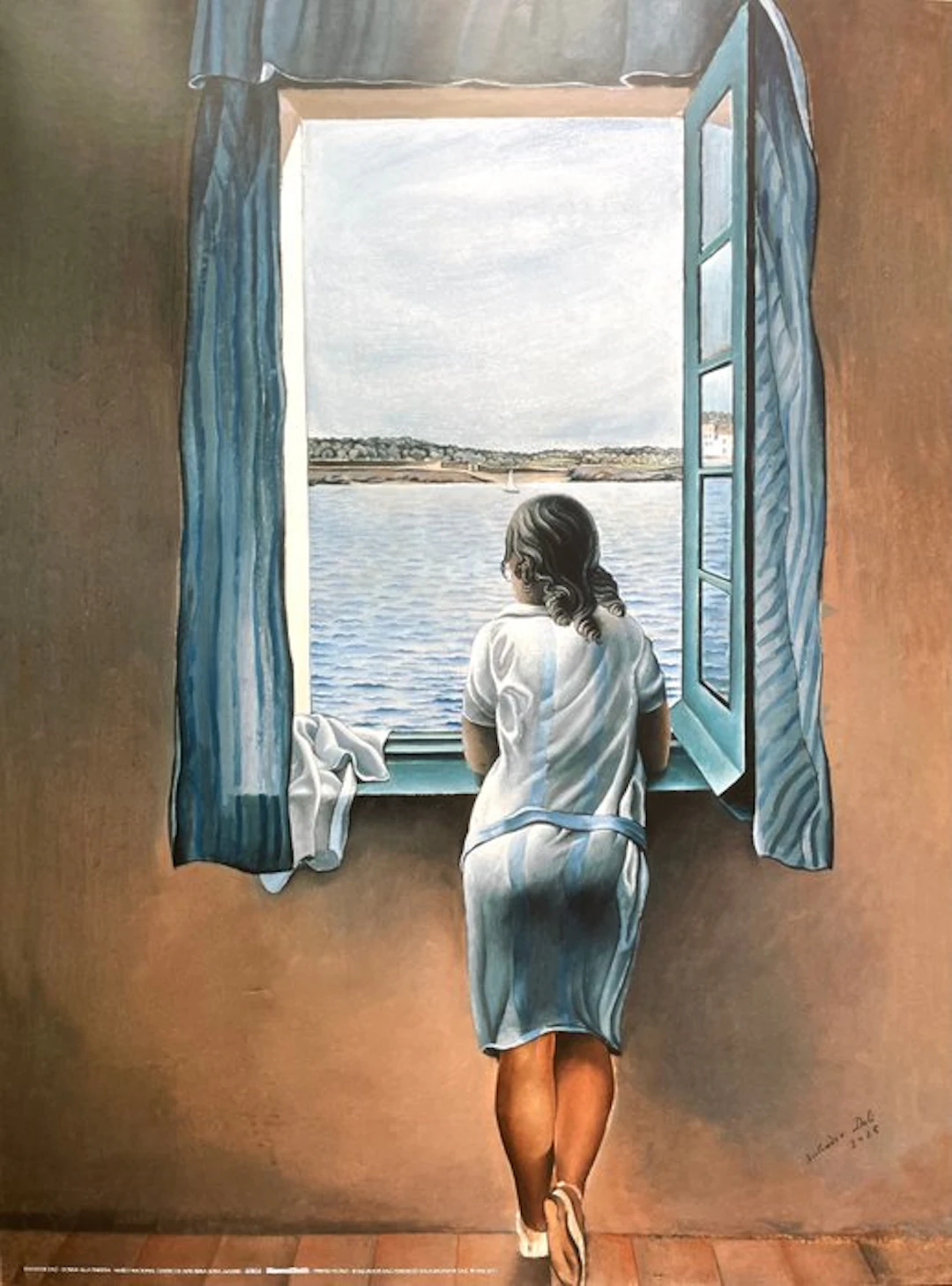
Offset lithograph by the Spanish artist Salvador Dalí (*). Reproduction of the work “Figura en una finestra”, a work created by Dalí in 1925, and which belongs to the collection of the Museo Nacional Reina Sofía in Madrid. Edition on high-quality heavyweight paper (250g) Published by Migneco&Smith. Print authorized by the Gala - Salvador Dalí Foundation Specifications: - Dimensions: 80 x 60 cm - Condition: Excellent (this work has never been framed or exhibited, and has always been kept in a professional art folder, therefore it is offered in perfect condition). The artwork will be carefully handled and packaged in reinforced cardboard. The shipment will be certified with a tracking number (UPS / DPD / DHL / FedEx). The shipment will also include transport insurance for the final value of the work with full reimbursement in case of loss or damage, at no cost to the buyer. (*) Salvador Felipe Jacinto Dalí was born in Figueras (Spain) in 1904. Between 1921 and 1925 he studied at the San Fernando Academy in Madrid where he befriended the poet Federico García Lorca and the filmmaker Buñuel. In 1925 the Dalmau Gallery in Barcelona organized his first solo exhibition, an exhibition after which Picasso and Miró began to take an interest in his work. Dalí was first influenced by Futurism, then by Cubism (1925). In April 1926 Dalí travels for the first time to Paris where he visits Picasso. In his second trip to Paris, in 1929, he attends the filming of Buñuel’s film “El perro Andaluz” (Un Chien Andalou) of which Dalí is co-screenwriter, and Miró introduces him to the group of surrealists. Dalí meets André Breton and … Gala, his future wife and muse (then married to Paul Éluard). He joins the Surrealist movement in 1929. Dalí is interested in Freud’s psychoanalytic theories and defines his method as “paranoiac-critical.” He painted in that period dreamlike and phantasmagoric spaces populated with symbolic elements: soft watches, crutches, fantastic animals, twisted figures. Dalí continued to participate in surrealist manifestations and exhibitions after his exclusion in 1934. Dalí interprets famous works in his own way, such as Millet’s The Angelus, giving several versions of them. Breton nicknames him “Avida Dollars.” After the Spanish Civil War he politically aligned himself with Franco. From the 1940s onward he stated that he wanted to draw closer to reality and returned to a more classical pictorial expression, without ceasing to imprint his personal fantasy in his works. Recurring themes in both his painted works and his graphic work are women, sex, religion, battles. Dalí appeared in peculiar spectacles throughout his career, blending art and life, constantly staging himself. After ten years of effort, Dalí opened his own museum: in 1974 the inauguration of the Dalí Theatre-Museum took place. Dalí’s last passion was “stereoscopic” painting (1975) and he presented his first “hyper-stereoscopic” work in New York in 1978. Dalí, who described himself as a “cannibal,” “megalomaniac” and “polymorphous pervers,” died in Barcelona (Spain) in 1989.
Utropspris:SEK 1,676.69
Till auktionenVisa alla föremål frånCatawikiellerKonst & Grafik
Utropspris:
SEK 1,676.69
Liknande föremål

Slutpriser för liknande föremål
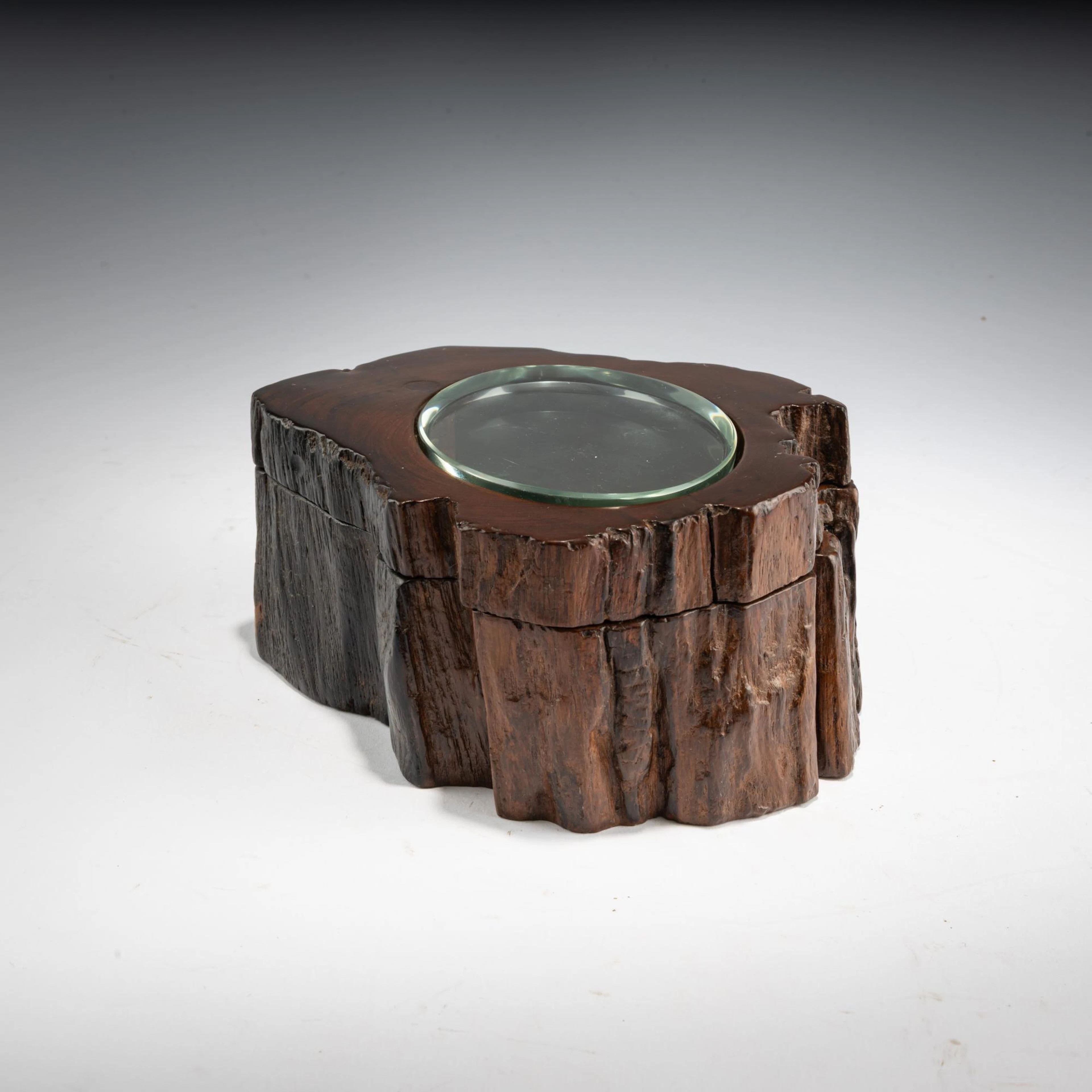
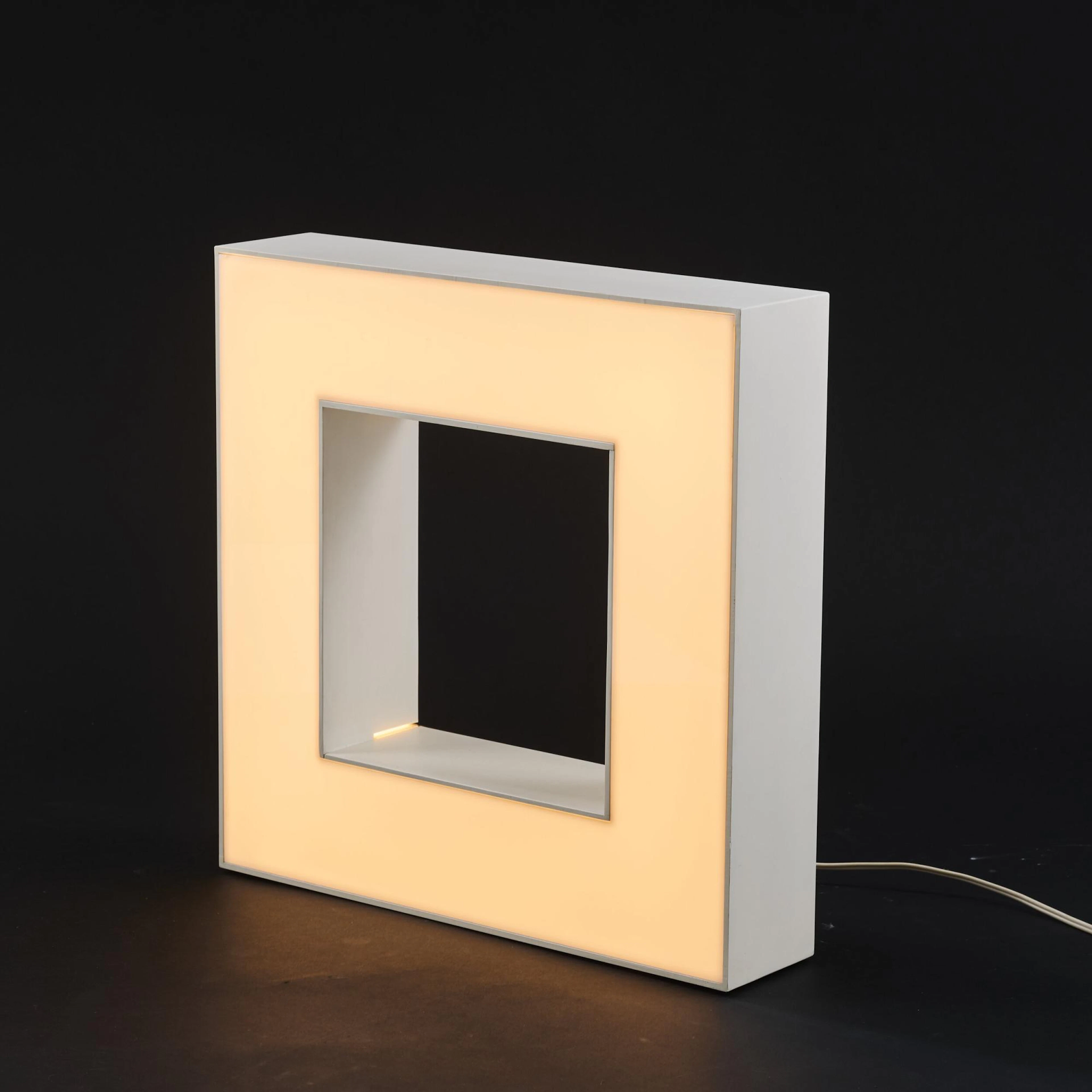
Aldo van den Nieuwelaar Wand- / Tischleuchte 'Ming', 1968 (Entwurf)
10/13/2026

SEK 12,295.73
Uppsk.: SEK 13,552.83
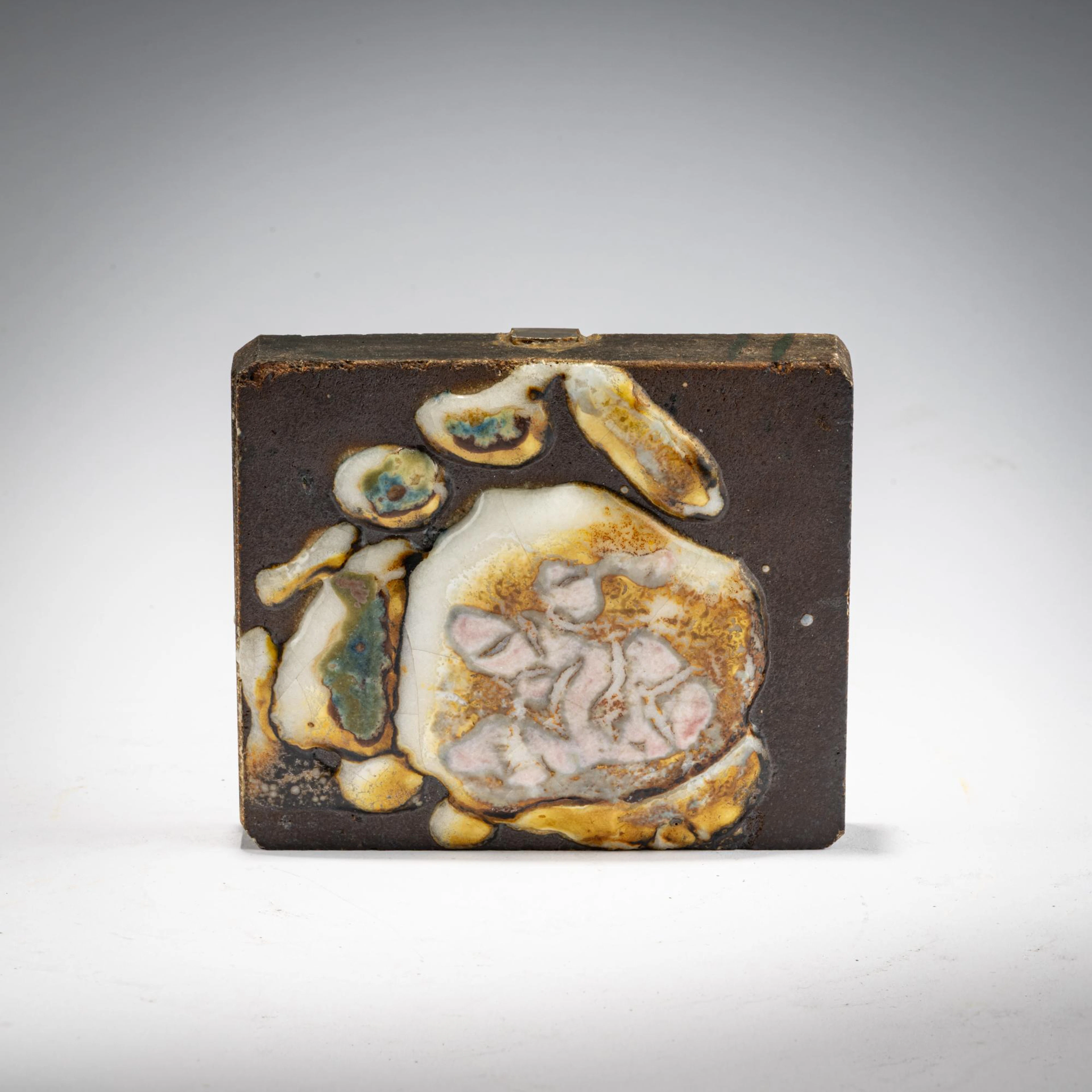
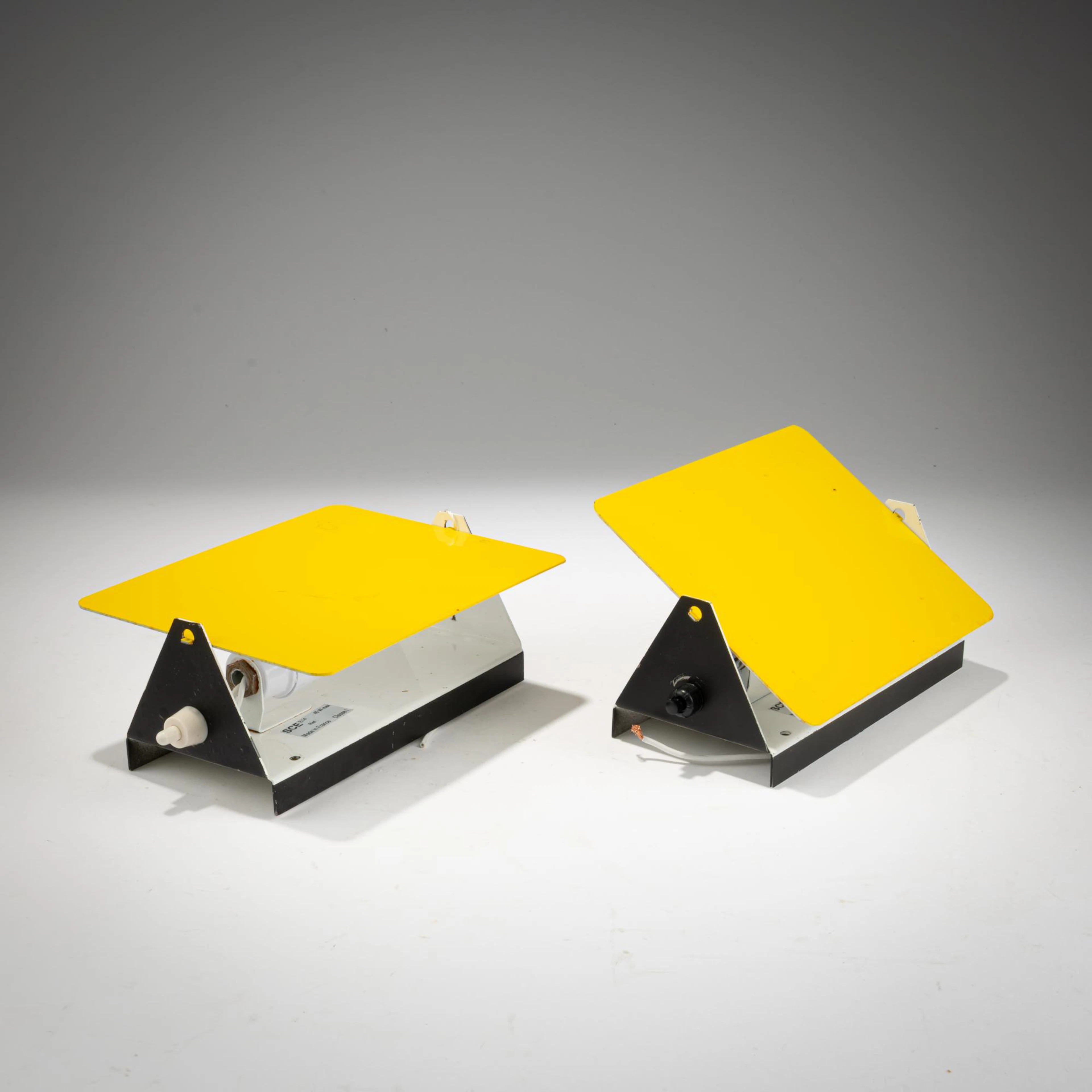
Charlotte Perriand Zwei 'CP-1'-Wandleuchten, 1963 (Entwurf)
10/13/2026
SEK 9,501.25
Uppsk.: SEK 9,035.22
Nå samlare över hela världen med din auktion!
Lista er auktion