



Alla auktioner / Leksaker & Samlarföremål / Spain. 1 Lettera di cambio 1828 1828

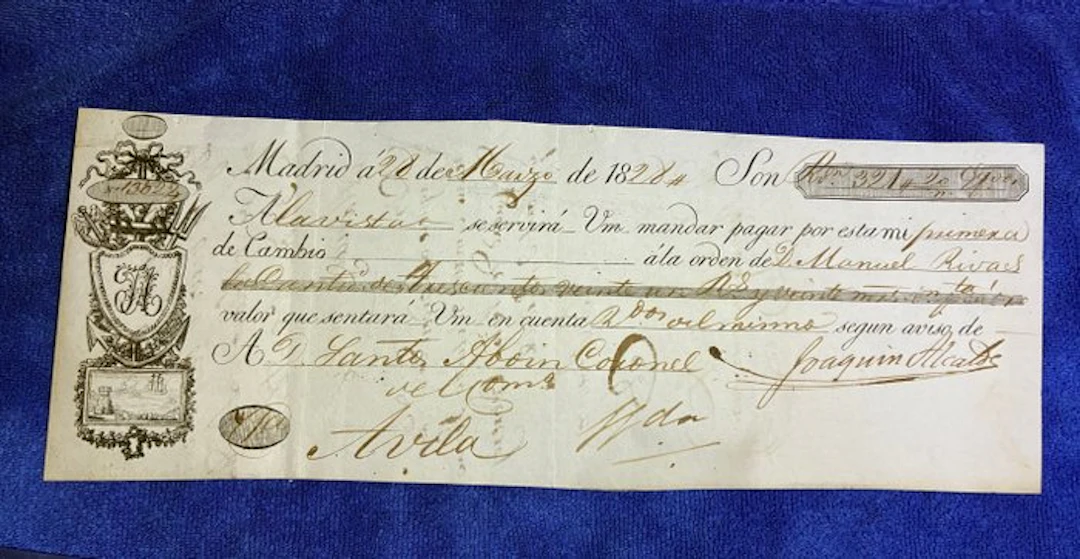
This historical document is a Spanish 1828 Letra de Cambio (Bill of Exchange), a very important financial and commercial instrument of the era used to transfer money between different cities without physically moving gold or silver. The document is entirely original, printed on watermark paper with pre-printed parts (the vignette and the fixed formulas) and extensively filled in by hand in elegant 19th-century cursive. # Detailed Front Description (Recto) * Place and Date: At the top left it reads clearly: "Madrid a 24 de Marzo de 1828" (Madrid, March 24, 1828). * Amount: At the top right, enclosed in a pre-printed decorative frame, the value is indicated: "Son Rs. Vn. 321 y 20 mrs." i.e. 321 Reales de Vellón and 20 Maravedís (the currency used in Spain at that time). * Engraved Vignette (Left): Shows a rich heraldic coat of arms decorated with ribbons, a trident, arrows, and a central monogram. Below the coat of arms is a finely engraved panel depicting a seascape with a coastal lookout tower (or lighthouse) and two sailing ships, symbolizing maritime trade. At the top is printed the module serial number: N.° 13022. * Main Text: The letter orders payment "A la vista" (on demand, i.e., at presentation) to the order of D. Manuel Rivas. The text shows some era-era pen cancellations on the central lines, a common practice when precise purposes or currencies needed to be corrected ("valor que sentará Vm. en cuenta..."). * Signatures and Payee: At the bottom right is the autograph signature of the drawer, Joaquín Alcaide. At the bottom left is indicated the payment recipient (the drawee) located in the city of Ávila. # Description of the Back (Verso) The vertical images show the back of the document, which contains the so-called "Giros" (Endorsements). When the original beneficiary wanted to transfer the credit to another person, they would write the endorsement formula on the back: 1. The first endorsement is signed by Manuel Rivas himself in favor of D. José Perez, dated Cebreros, March 31, 1828. 2. The second endorsement further transfers the money to D. Laureano Martin Muro, dated Cebreros and Avila, April 3, 1828, signed by José Perez. 3. At the bottom there is the final payment receipt ("Recibí") signed by the ultimate beneficiary. The handwritten names and signatures belong exclusively to local military officers, merchants, and private bankers operating in Spain during the 19th century: • Joaquín Alcaide: The citizen or merchant who issued and signed the bill of exchange in Madrid. • Manuel Rivas: The first payee, whose autograph signature appears on both the front and back for endorsements. • Santos Aboín: Indicated in the text with the military rank of Colonel ("Coronel"), stationed in or connected with the administration of the city of Ávila. • José Pera and Laureano Martínez Muro: Residents or merchants of the city of Ávila ("vecinos de la ciudad de Ávila") who signed the subsequent endorsements on the back in April 1828. Despite the absence of celebrity, the document holds excellent historical and collecting value for scripophilists, due to its ancient dating (1828), its entirely manual cursive construction, and the presence of the pre-printed royal fiscal seal (Papel Sellado). # Appraisal and Collectible Value Pre-stamp era financial documents and bills of exchange from the early 19th century are highly valued by collectors of postal history, scripophily, and economic history. Factors that determine value: * Strengths: The condition is excellent; the paper has no destructive tears, the signatures are clear, the iron gall ink is well preserved, and the presence of the complete set of endorsements on the back makes the document’s history whole and very interesting for collectors. The vignette with ships is also a highly sought graphic theme. * Limitations: Despite excellent quality and age (almost two centuries), early 19th-century bills of exchange are not absolute rarities; several specimens circulate in specialized markets, keeping the price affordable. AI Description of the product Excellent historical value of Scripophily They are stored in A4 PVC envelopes. Good conservation. See the image for the correct impression Shipped with Registered Mail with tracking included and protected packaging.
Utropspris:SEK 1,668.89
Till auktionenVisa alla föremål frånCatawikiellerLeksaker & Samlarföremål
Utropspris:
SEK 1,668.89
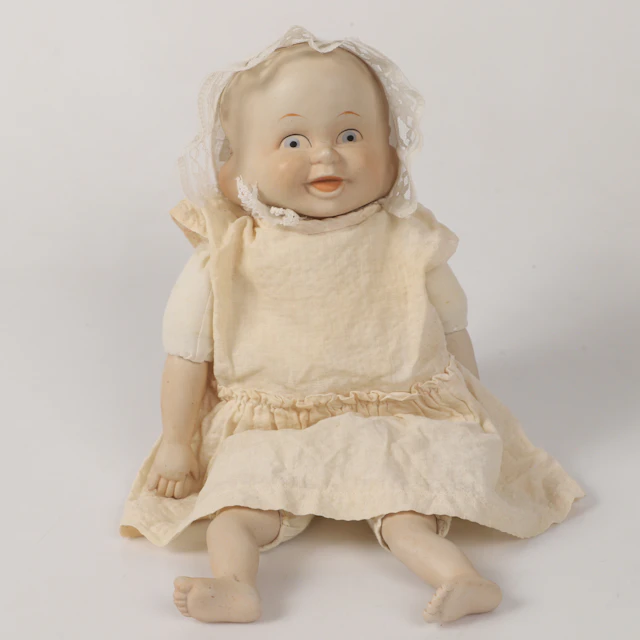
DOCKA, med tre ansikten, porslin/textil, 1900-talets första hälft.
10/23/2026

SEK 300
Uppsk.: SEK 400
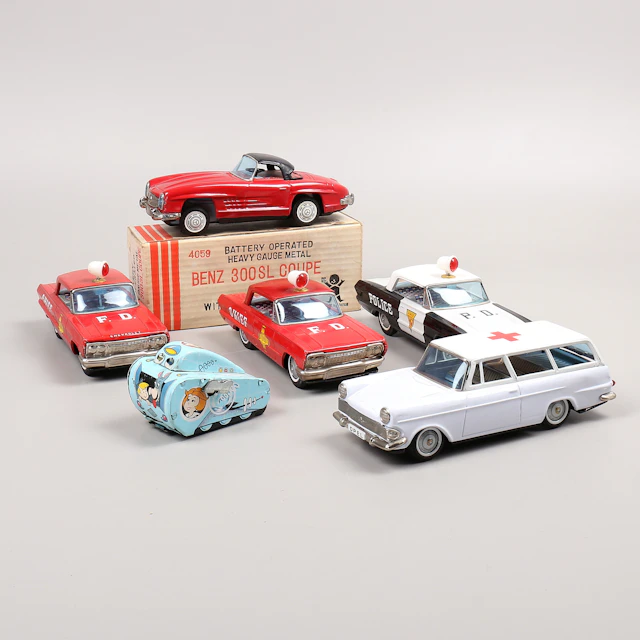
MODELLBILAR, 6 st, plåt, Japan, 1900-talets andra hälft.
10/23/2026
SEK 812
Uppsk.: SEK 800
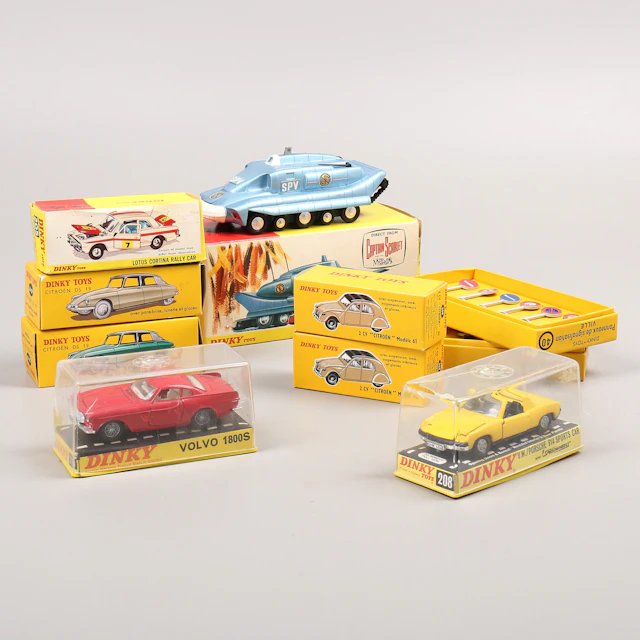
DINKY TOYS, 8 st leksaksbilar mm, 1900/2000-tal.
10/23/2026
SEK 1,414
Uppsk.: SEK 1,000
Nå samlare över hela världen med din auktion!
Lista er auktionGenom att prenumerera godkänner du integritetspolicyn. Avprenumerera när som helst.
Barnebys HQ
Brahegatan 10
BOX 5038
114 37 Stockholm
