



Alla auktioner / Smycken & ädelstenar / Two Ancient Near East Glass & Faience Bead Necklaces, 92 Beads

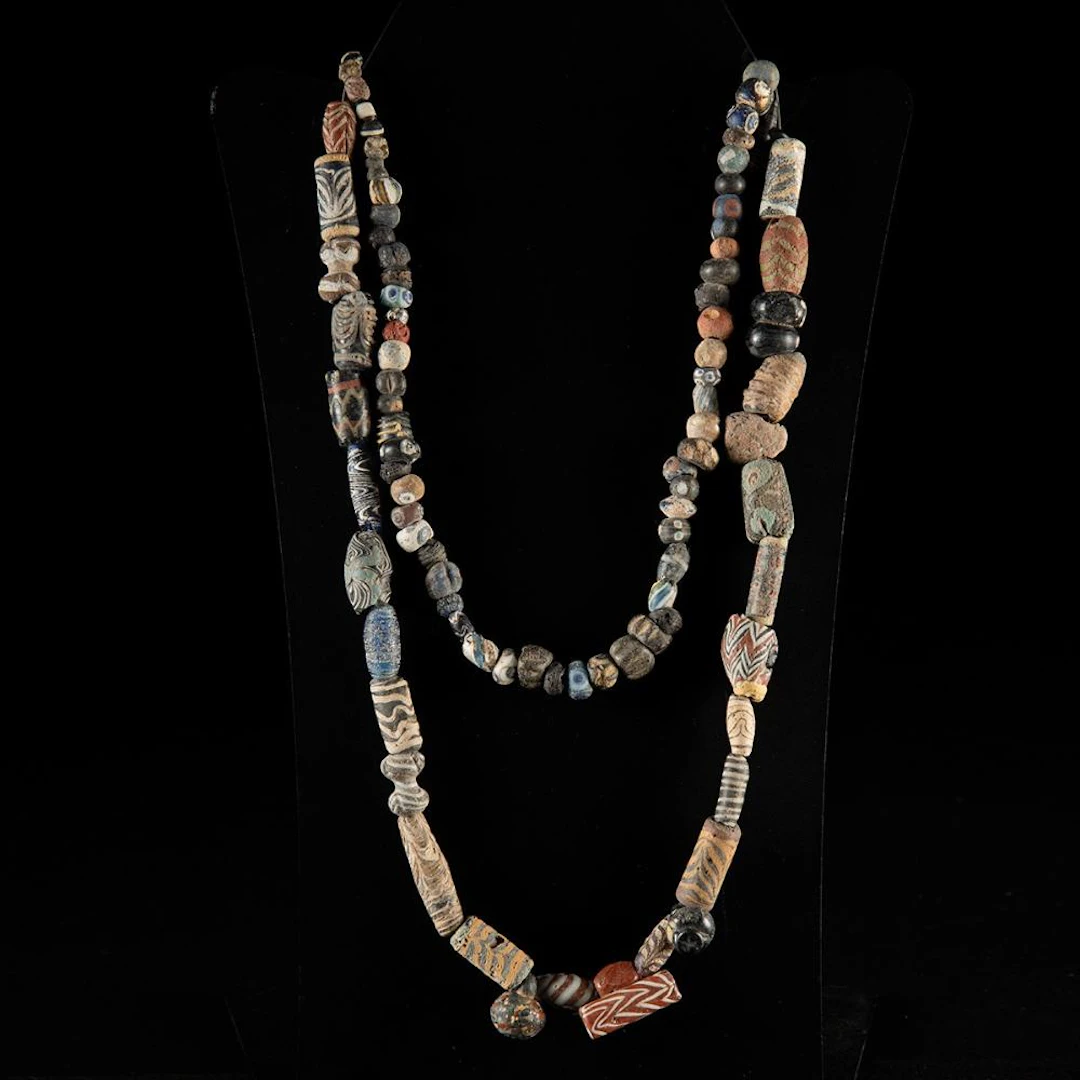
Near East, Anatolia, Eastern Mediterranean and Western Asia. A collection of ninety-two ancient glass and faience beads, sixty-three strung on the shorter strand and twenty-nine on the longer, restrung on modern cord to be worn. The assemblage reads like a compressed history of the bead maker's art: trailed and combed feather patterns in cream and cobalt, red-and-white chevron festoons, folded mosaic canes, tiny stratified eye beads, ribbed melon forms, and plain wound discs in slate blue, ochre, oxblood, and near-black. Forms range from stout barrels and elongated cylinders to squat annular spacers. Centuries of burial have etched and softened many surfaces, and several beads carry areas of shimmering iridescence where the glass has weathered into films of silver, rose, and pale green. Cultural attributions span Phoenician, Egyptian, Parthian, Amlash, Hellenistic, Roman, Byzantine, and Medieval Islamic workshops. Glass beads were among the most mobile goods of the ancient world, small enough to cross deserts in a saddlebag and valuable enough to be worth the journey. The Phoenicians industrialized the trade, carrying rod-formed and mosaic beads from Levantine workshops across the Mediterranean; Egyptian faience, a sintered quartz paste glazed with copper salts, supplied the blue-green forms that imitated turquoise and lapis for those who could not afford either. Later, Parthian and Sasanian glasshouses in Western Asia and, after them, Islamic workshops from Syria to Persia refined the folded mosaic and trailed feather techniques visible here. The iridescence prized by collectors is in fact decay: alkali leaches from the glass surface over centuries of burial, leaving microscopic laminated layers that diffract light into the silver and rose sheen seen on several beads. It cannot be manufactured convincingly, which makes it one of the more reliable field indicators of genuine antiquity. Item # 204590
Utropspris:SEK 7,966.11
Till auktionenVisa alla föremål frånArtemis Fine ArtsellerSmycken & ädelstenar
Utropspris:
SEK 7,966.11
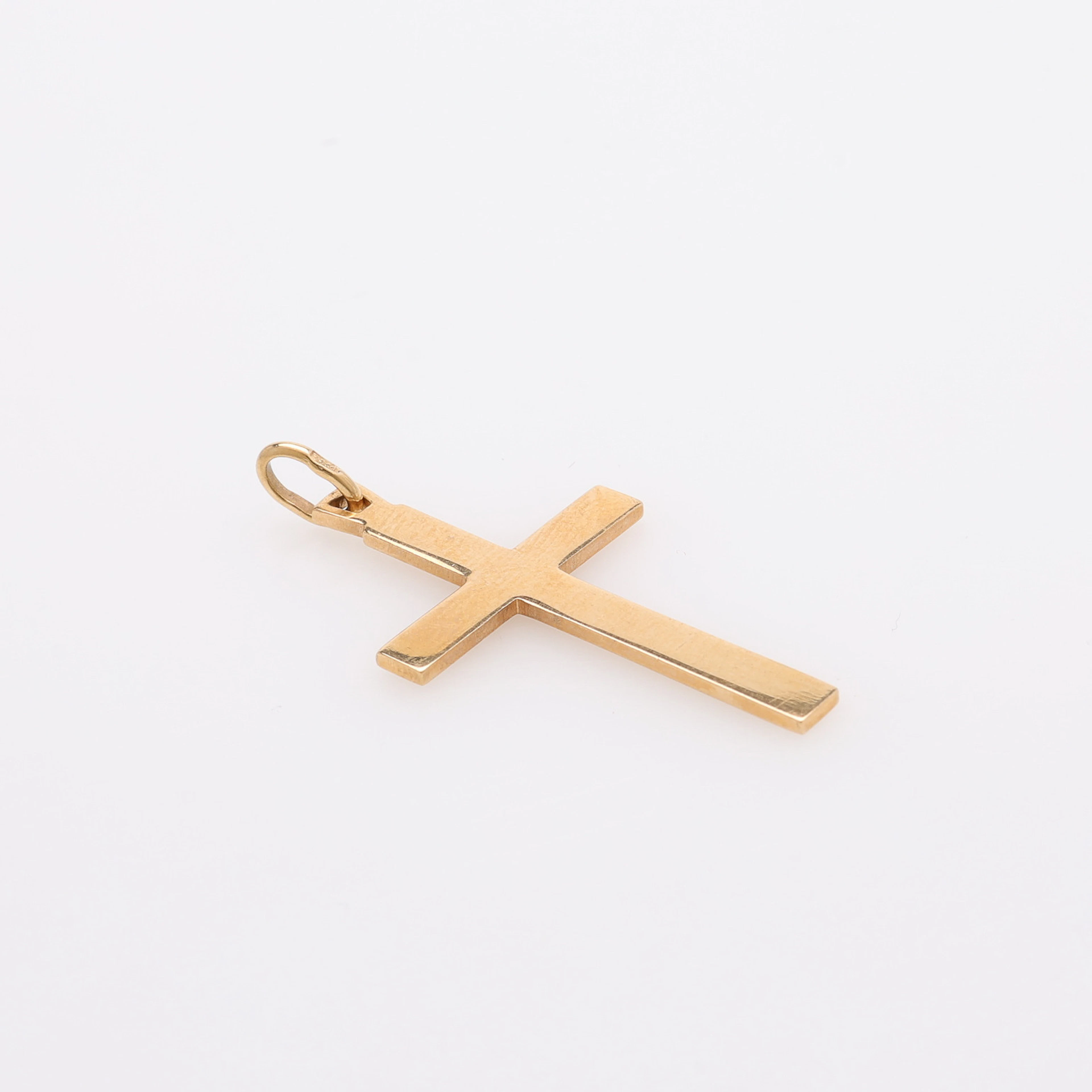
HÄNGE I FORM AV KORS, 18K GULD, VIKT CA 3,3 GRAM.
10/14/2026
SEK 2,500
Uppsk.: SEK 3,000
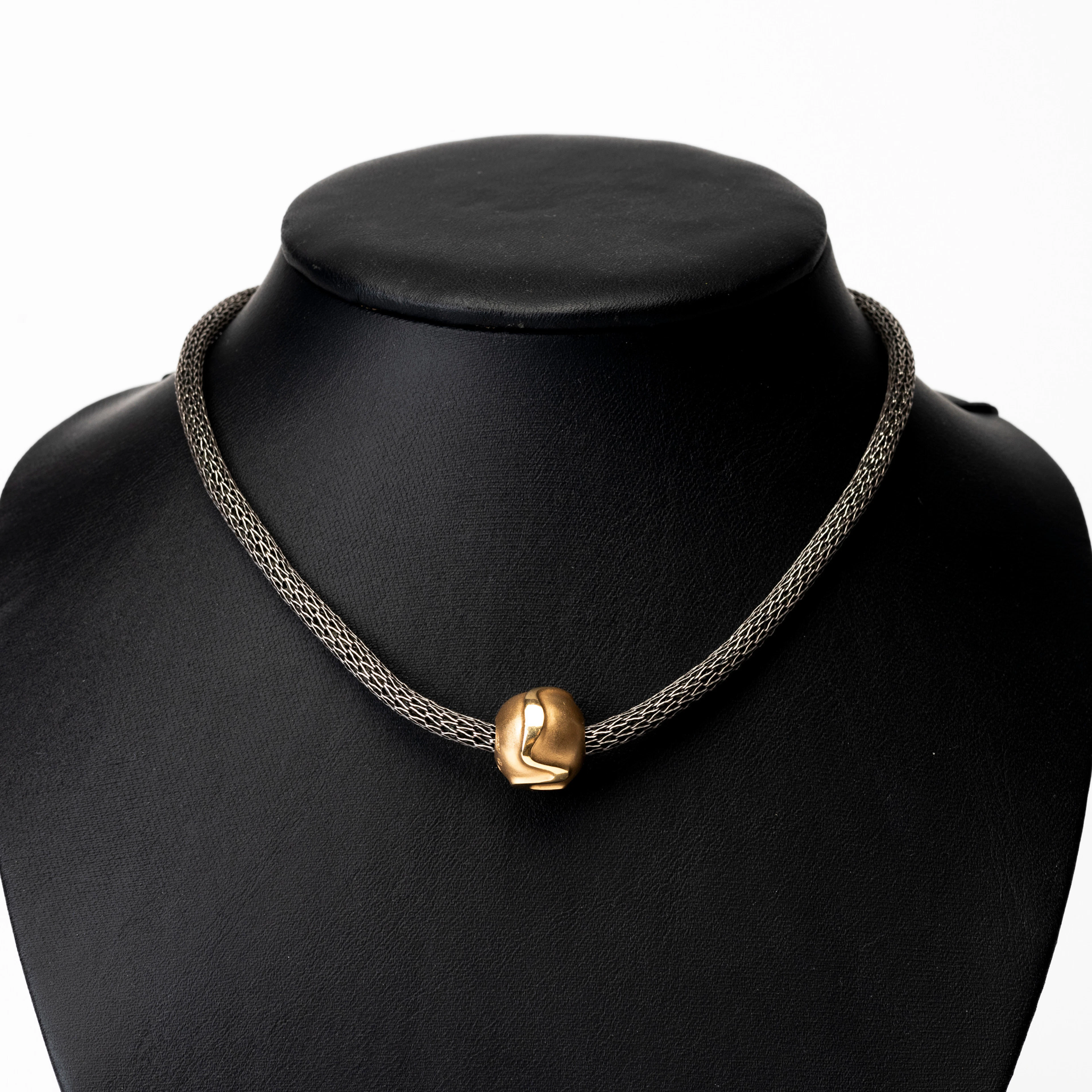
HALSSMYCKE, guld 18 K, oxiderat silver, Pernilla Wiberg, Alton.
10/14/2026
SEK 1,452
Uppsk.: SEK 1,200
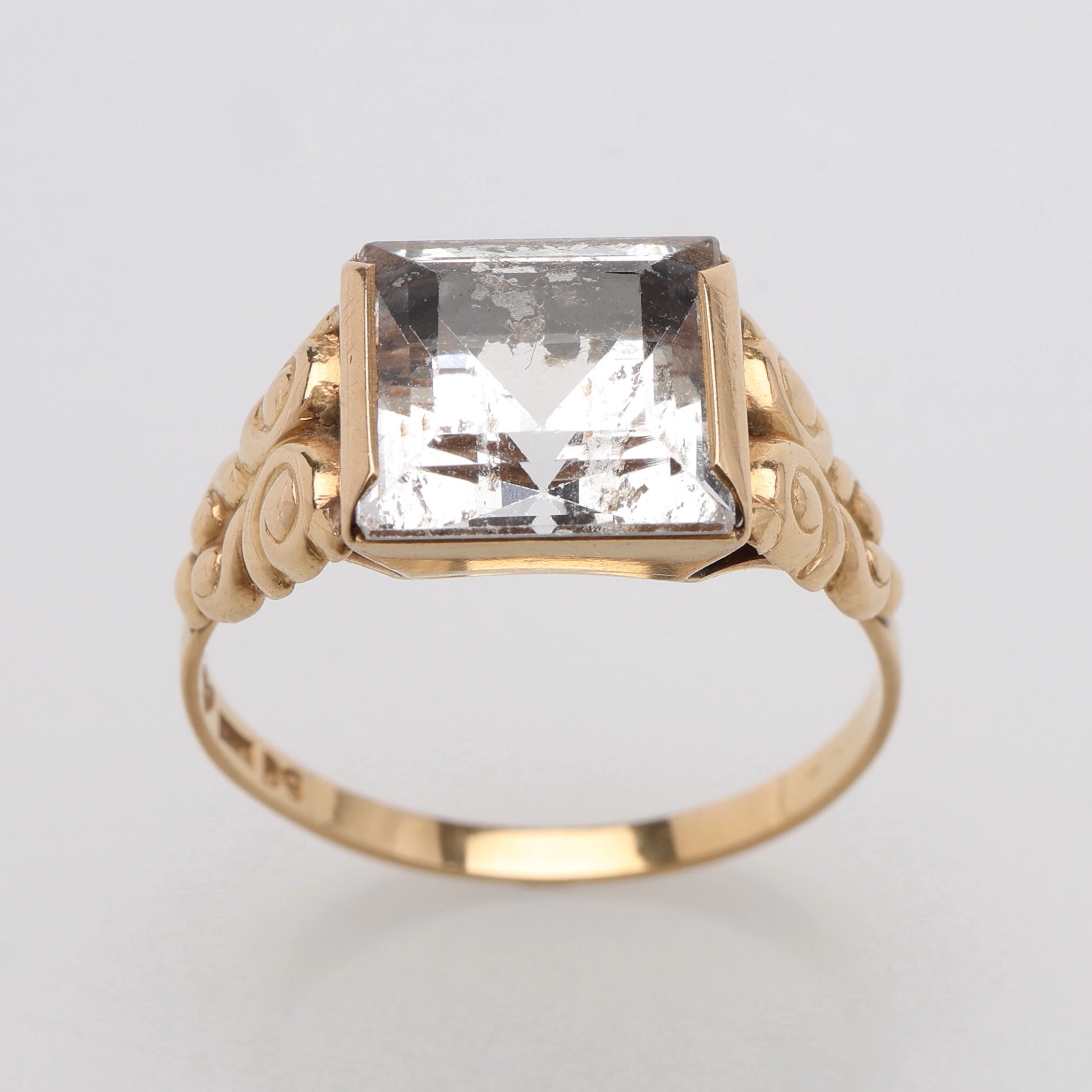
RING, 18K GULD & VIT SPINELL, HALLBERGS, KÖPING, 1952, TOTALT 3 GRAM.
10/14/2026
SEK 2,200
Uppsk.: SEK 2,500
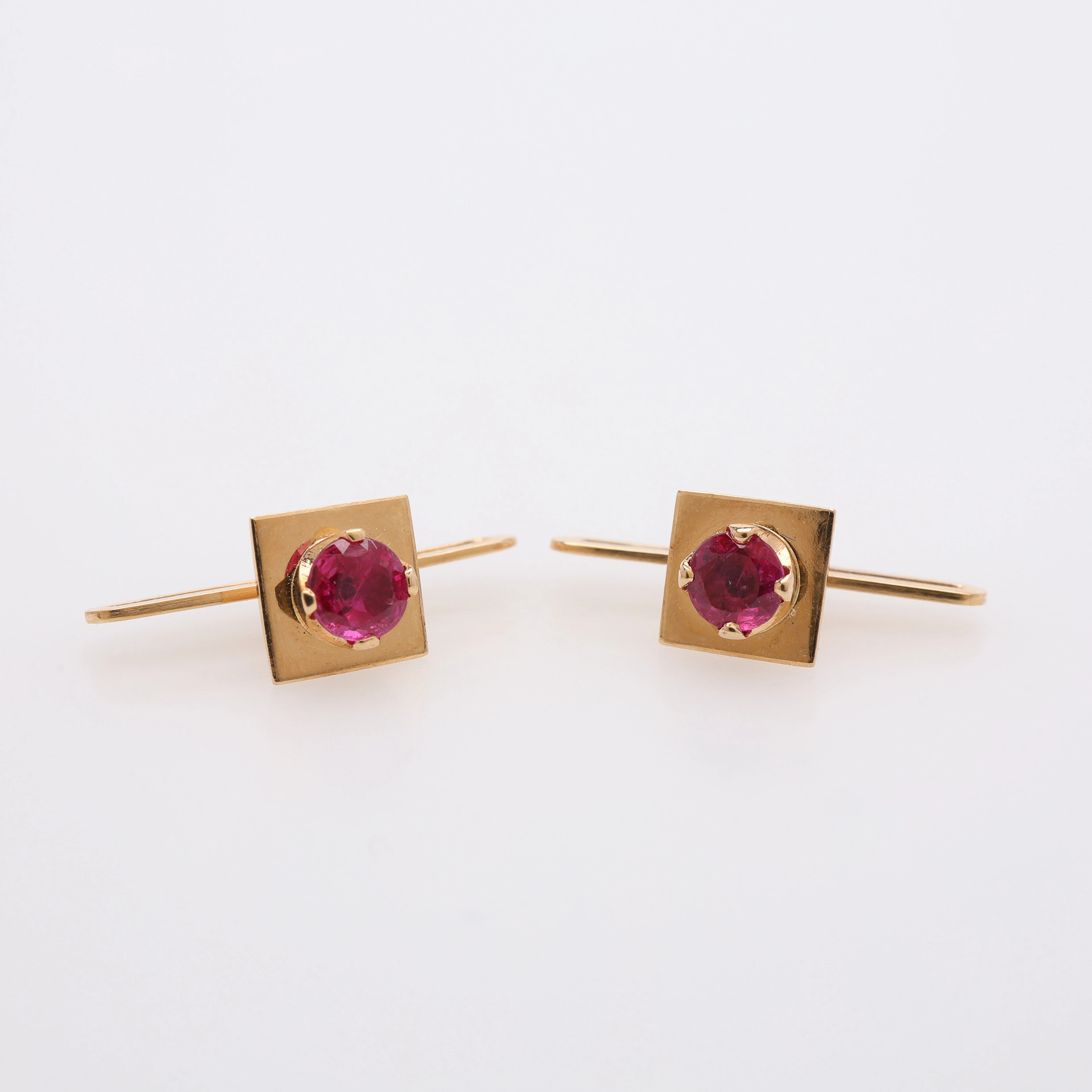
FRACKKNAPPAR, ETT PAR, 18K GULD MED SYNTETISKA RUBINER.
10/14/2026
SEK 1,900
Uppsk.: SEK 2,300
Nå samlare över hela världen med din auktion!
Lista er auktionGenom att prenumerera godkänner du integritetspolicyn. Avprenumerera när som helst.
Barnebys HQ
Brahegatan 10
BOX 5038
114 37 Stockholm
